2026 Best Types of Robotic Surgery Robots?

Choosing the best robotic surgery robot in 2026 is not a simple ranking exercise. Surgical teams face different anatomy, procedures, budgets, and training requirements. A system that excels in prostate surgery may feel unsuitable for delicate eye procedures or deep pelvic access.

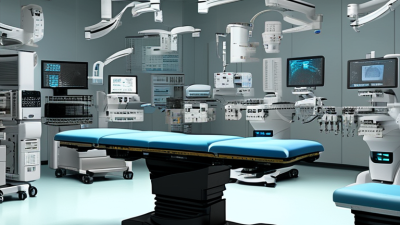
This guide examines the main types of robotic surgery robots, including multiport, single-port, orthopedic, microsurgical, and endoluminal platforms. Each design uses different instruments, camera systems, software, and control methods. Some offer broader instrument movement. Others reduce incision size or improve access through narrow pathways. In an operating room, these differences become tangible: wristed instruments rotate beside the patient, a high-definition camera fills the surgeon’s console, and staff monitor every cable and sterile connection.

The “best” choice still depends on evidence, not impressive demonstrations. Peer-reviewed studies, regulatory clearance, complication data, maintenance support, and surgeon experience deserve careful attention. Hospitals should also examine training time, disposable instrument costs, workflow integration, and emergency conversion plans. These details can matter more than a robot’s newest feature.

There is no perfect platform.

Even experienced teams may disagree about which system delivers the greatest value. Some comparisons remain limited by small studies, industry sponsorship, or rapidly changing technology. Therefore, this overview treats robotic surgery robots as clinical tools, not automatic replacements for surgical judgment. The most reliable decision considers patient safety, measurable outcomes, local expertise, and transparent long-term costs.

2026 Best Types of Robotic Surgery Robots?

What Are Robotic Surgery Robots and How Do They Work?

Robotic surgery robots are computer-assisted systems that translate a surgeon’s hand movements into precise instrument actions. Most include a control console, a bedside robotic arm, miniature tools, and a high-definition three-dimensional camera. The surgeon remains in control. Not truly autonomous.

During an operation, the surgeon moves hand controls while software filters tremor and scales motion. A five-millimeter hand movement might produce a smaller instrument movement inside the patient. The system can rotate instruments through several angles, helping reach narrow spaces. It usually does not “feel” tissue like a human hand, although force-sensing technology is developing. That limitation matters.

Robotic systems generally fall into several categories. Telemanipulation platforms support minimally invasive procedures, while orthopedic robots guide bone preparation using imaging and planned boundaries. Endoluminal systems travel through natural openings, and emerging microsurgical robots target delicate structures. According to the International Federation of Robotics’ World Robotics 2024 report, approximately 15,000 medical robots were sold worldwide in 2023, representing 36% growth. Grand View Research estimated the global surgical robots market at about 7.4 billion dollars in 2023, with strong projected growth through 2030. These figures show momentum, not guaranteed clinical benefit. Training, operating time, maintenance, and patient selection still shape outcomes. I may sound cautious, but impressive mechanics cannot replace surgical judgment.

What Are the Main Types of Robotic Surgery Robots in 2026?

Main Types of Robotic Surgery Robots in 2026

Robotic surgery robots are mainly classified by their access method, instrument design, and surgical purpose. Multi-port systems use several small incisions, allowing a camera and instruments to enter from different angles. They are common in abdominal, pelvic, and thoracic procedures. The surgeon controls every movement from a nearby console. The robot does not make independent clinical decisions.

Single-port systems place multiple instruments through one incision. Their flexible arms can bend inside the body, which may help surgeons work in narrow spaces. However, one entry point can limit instrument separation and create difficult angles. This trade-off still needs careful evaluation.

Flexible endoscopic robots travel through natural openings or small access routes. They may support procedures in the digestive tract, airways, or other confined areas. Some platforms focus on microsurgery, using very small instruments for delicate tissue handling. Orthopedic robots follow another model. They help plan bone cuts, guide implant positioning, or maintain a planned boundary during surgery. The surgeon remains responsible for the operation.

In 2026, some systems also include image guidance, force feedback, and artificial intelligence assistance. These features can highlight anatomy or improve planning, but they are not perfect. Image quality may change with bleeding, smoke, or tissue movement. Training, maintenance, and hospital workflow matter as much as the robot itself. A technically advanced system may still be unsuitable for a team without enough supervised practice. That practical gap deserves more attention.

How Do Different Surgical Robots Compare by Medical Specialty?

2026 Best Types of Robotic Surgery Robots?

Different surgical robots solve different clinical problems. A multi-port system suits urology, gynecology, and general surgery. Its articulated instruments help surgeons work around delicate anatomy. Thoracic procedures may benefit from slimmer arms and stable camera control. These features matter when operating between ribs or near major vessels. For ear, nose, and throat surgery, flexible robotic tools can reach narrow spaces. However, access remains limited in some patients.

Orthopedic robots focus on bone preparation and implant alignment. They often use imaging, tracking sensors, and predefined surgical plans. Neurosurgical robots support precise instrument guidance around the brain and spine. Their value depends heavily on imaging quality and surgeon judgment. No system is best for every specialty. Evidence also varies between procedures, hospitals, and patient groups. That part is easy to overlook.

Tips: Compare incision access, instrument range, imaging support, tactile feedback, setup time, and staff training. Ask whether published outcomes match your procedure. A robot can improve consistency, but it cannot replace anatomical knowledge or careful decision-making. Teams should review complications, conversion rates, and recovery data, not only marketing claims. The comparison is imperfect, because newer systems may have limited long-term evidence. Patient selection still changes the result.

2026 Best Types of Robotic Surgery Robots? How Do Different Surgical Robots Compare by Medical Specialty?

Multi-port robotic systems are widely used in general surgery, urology, gynecology, colorectal surgery, and thoracic surgery. Single-port systems are commonly selected when access through one incision is preferred, while flexible endoscopic robots are designed for natural-orifice procedures. Orthopedic robots focus on bone preparation and implant positioning, catheter-based robots support vascular and cardiac interventions, and microsurgical robots assist with delicate reconstructive and ophthalmic procedures. The comparison reflects established clinical use patterns rather than market share or a ranking of manufacturers.

What Features Define the Best Robotic Surgery Robots?

The best robotic surgery robots are defined by clinical usefulness, not futuristic appearance. They should translate a surgeon’s hand movements into precise, stable instrument actions. Motion scaling and tremor filtration can help during delicate suturing. Yet precision must remain predictable. A system that feels slow or confusing may increase cognitive strain.

Clear three-dimensional visualization matters, especially around small vessels and layered tissue. Adjustable depth, natural color, and dependable image stability support careful decisions. Haptic feedback is valuable when available, although it is not equally mature across systems. Surgeons should assess control latency, instrument range, and access through narrow anatomical spaces. Small details matter.

Safety features should include collision alerts, controlled instrument limits, emergency release, and continuous system checks. The robot should also fit the entire operating team, not only the console user. Easy setup, sterile workflow, quick troubleshooting, and compatible imaging can reduce delays. Reliable cybersecurity and data governance deserve equal attention. Training should use simulation, supervised cases, and objective performance review. Independent clinical studies are more persuasive than promotional claims. No robot is perfect. Teams should question maintenance costs, learning curves, and results across different procedures before adoption. Sometimes, a simpler tool remains the wiser choice.

How Should Hospitals Choose a Robotic Surgery Robot?

Hospitals should choose a robotic surgery robot by clinical fit, not market excitement. The World Health Organization’s Global Patient Safety Report 2024 estimates that one in ten patients experiences harm in healthcare. Therefore, safety evidence must lead the purchasing process. Review peer-reviewed data for each intended procedure, including complications, conversion rates, blood loss, operating time, readmissions, and length of stay. Ask whether results come from comparable hospitals, not ideal trial settings.

The evaluation team should include surgeons, nurses, anesthesiologists, engineers, finance leaders, and patients. Measure the robot’s learning curve, instrument range, imaging quality, emergency access, and compatibility with existing operating rooms. A 2024 systematic review in Surgical Endoscopy reported that robotic techniques may reduce hospital stay in selected procedures, but operating times can remain longer. That trade-off matters. A shorter admission does not automatically mean better value.

Calculate the five-year total cost. Include installation, maintenance, instruments, staff training, software updates, and cancelled-case risks. The Lancet Commission on Global Surgery estimated that five billion people lack access to safe, affordable surgical care. Hospitals should ask whether a robot expands access or simply shifts resources toward complex cases. That question is uncomfortable. It should still be asked. Pilot the system, publish local outcomes, and revise the decision after six and twelve months. No scorecard is perfect. Reassess it.

2026 Best Types of Robotic Surgery Robots? - How Should Hospitals Choose a Robotic Surgery Robot?
Robot Type Primary Clinical Use Typical Access Method Main Strengths Key Limitations Imaging and Navigation Needs Operating Room Requirements Consumable and Instrument Considerations Evidence Maturity Best Hospital Fit
Multi-Port Soft-Tissue Robotic System General surgery, urology, gynecology, thoracic surgery, and selected colorectal procedures. Several small laparoscopic ports, usually with a dedicated camera port and multiple instrument ports. Three-dimensional visualization, wristed instruments, tremor filtration, stable camera control, and improved ergonomics for complex minimally invasive procedures. High capital and operating costs; requires substantial training, dedicated operating-room workflows, and careful patient selection. Tactile feedback may be limited compared with open surgery. High-definition three-dimensional endoscopy is usually integral. Near-infrared or fluorescence imaging may be available depending on the system and procedure. Large equipment footprint, trained bedside and console teams, specialized docking space, and reliable integration with anesthesia and video systems. Procedure-specific instruments may have limited reuse or defined use limits. Hospitals should assess instrument availability, sterilization capacity, and recurring disposable costs. High and well established Hospitals with a broad minimally invasive surgery program, sufficient case volume, multidisciplinary staffing, and a structured training pathway.
Single-Port Soft-Tissue Robotic System Selected urologic, gynecologic, colorectal, head-and-neck, and other procedures where access through one incision is clinically appropriate. One access incision or a single access port containing multiple articulated instruments and a camera. Potentially fewer visible incisions, a compact access strategy, and useful articulation in confined anatomical spaces. Instrument crowding and limited triangulation can increase technical difficulty. It is not suitable for every anatomy or multi-quadrant operation. Three-dimensional endoscopic imaging is generally important; procedure-specific imaging may be required for accurate planning. Usually requires dedicated single-port instruments, trained assistants, and workflow planning for access-site management and specimen extraction. Specialized instruments can increase per-case costs. Hospitals should verify the available instrument range for their intended procedures. Moderate to high, procedure dependent Hospitals with surgeons experienced in minimally invasive surgery and a focused case mix involving confined spaces or selected single-incision procedures.
Flexible Endoluminal Robotic System Selected gastrointestinal, airway, and other endoluminal diagnostic or therapeutic procedures under appropriate clinical protocols. Natural orifice access, such as the gastrointestinal tract or airway, using a flexible robotic endoscope or catheter. Access to curved anatomical pathways, stable camera positioning, and potential for precise manipulation in areas that are difficult to reach with rigid instruments. Limited applicability across surgical specialties, smaller instrument payloads, and dependence on endoscopy expertise and procedure-specific evidence. Endoscopic visualization is central. Fluoroscopy, ultrasound, or other imaging may be needed for selected interventions. Endoscopy-suite compatibility, appropriate anesthesia support, infection-control processes, and trained endoscopists and assistants are essential. Flexible scopes, sheaths, and procedure-specific accessories may be single-use or require specialized reprocessing. Developing and indication specific Hospitals with high-volume advanced endoscopy programs, established multidisciplinary governance, and a clear clinical pathway for the intended use.
Orthopedic Robotic-Assisted System Primarily joint replacement and selected bone-cutting or alignment procedures, depending on the cleared indication. Open or minimally invasive orthopedic exposure with robotic guidance for bone preparation, implant positioning, or alignment. Procedure planning, reproducible bone preparation, alignment assistance, and the ability to define or monitor a planned surgical boundary. Does not independently perform the operation; outcomes remain dependent on surgeon judgment, patient anatomy, implant choice, and execution. May add setup and registration time. May use preoperative CT, intraoperative imaging, optical tracking, or bone-mounted reference arrays, depending on the workflow. Requires orthopedic-compatible equipment, tracking space, sterile reference markers, and staff trained in registration and system verification. Planning software, tracking accessories, cutting guides, burrs, saws, or other procedure-specific components may create recurring costs. High for selected joint procedures Hospitals with substantial arthroplasty volume, consistent implant pathways, orthopedic navigation expertise, and strong data-collection capability.
Image-Guided Stereotactic Neurosurgical Robot Selected cranial biopsy, electrode placement, stereotactic navigation, and other precisely targeted neurosurgical procedures. Small cranial openings or trajectory-based access guided by preoperative and intraoperative imaging. High trajectory precision, reproducible targeting, planning support, and integration with stereotactic navigation workflows. Usually designed for a narrow range of procedures; setup accuracy and registration are critical. It does not replace neurosurgical decision-making. High dependence on MRI, CT, stereotactic imaging, navigation software, and accurate patient-to-image registration. Requires a neurosurgical operating room or procedure suite, imaging access, radiation-safety processes when applicable, and specialized technical support. Disposable biopsy needles, electrodes, guides, drapes, and fixation or reference components may be procedure specific. High for defined stereotactic indications Neurosurgical centers with advanced imaging, experienced stereotactic teams, and sufficient volume for targeted procedures.
Image-Guided Catheter and Endovascular Robotic System Selected vascular, cardiac, electrophysiology, and interventional procedures where remote or highly controlled catheter manipulation is appropriate. Percutaneous vascular access using guidewires, catheters, or other endovascular devices. Fine device manipulation, improved operator ergonomics, potential reduction in occupational radiation exposure when the operator works away from the table, and reproducible catheter control. Clinical value varies by indication and workflow. Requires compatible devices, reliable imaging, and a team experienced in managing emergencies without robotic delay. Fluoroscopy and angiographic imaging are usually central; ultrasound, intravascular imaging, or electroanatomic mapping may also be used. Needs a hybrid operating room, catheterization laboratory, or interventional suite with imaging, radiation protection, and emergency backup. Device compatibility, sterile accessories, guidewire and catheter availability, and procedure-specific disposables should be assessed carefully. Developing to established, indication dependent High-volume interventional centers with advanced imaging, strong emergency protocols, and multidisciplinary cardiovascular or vascular teams.
Selection note: Hospitals should compare systems by cleared indications, clinical volume, total cost of ownership, training requirements, interoperability, service coverage, instrument availability, cybersecurity, emergency fallback procedures, and measurable patient outcomes—not by automation level alone.