Is the Robotic Surgery Market Set to Revolutionize Healthcare?
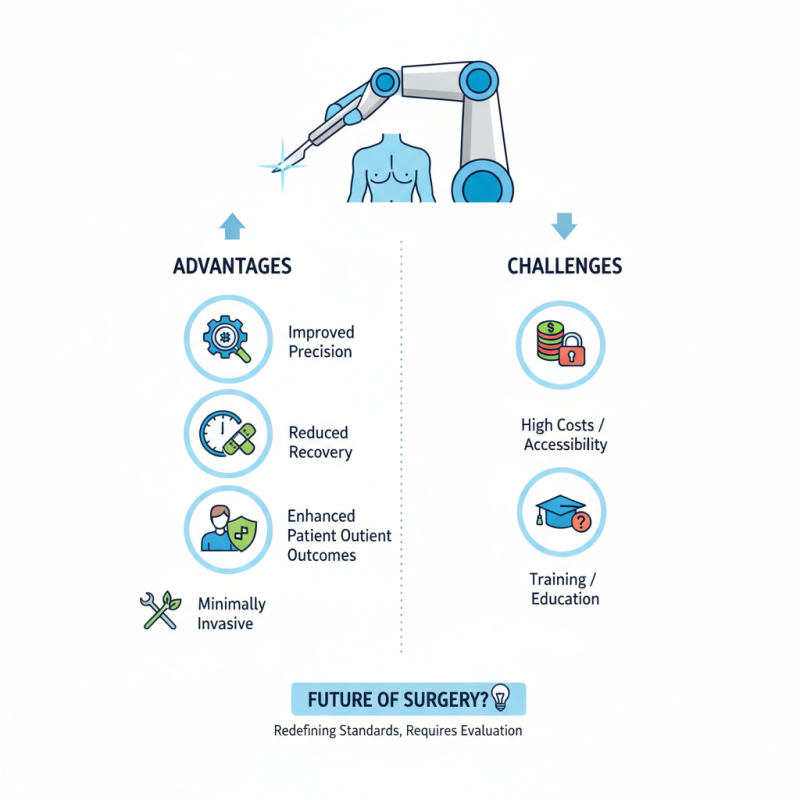
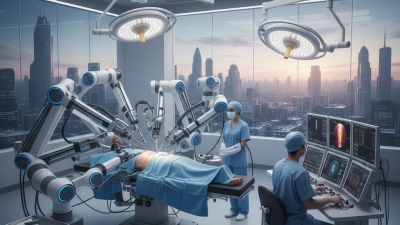
The robotic surgery market is poised for significant transformation in healthcare. Innovative technologies are reshaping traditional surgical methods. Surgeons are embracing robotic-assisted procedures for improved precision and reduced recovery times.
These advancements promise to enhance patient outcomes. Yet, there are challenges to consider. The high costs of robotic systems can limit accessibility. Not all medical professionals have training in these technologies.
Despite these hurdles, the benefits are undeniable. Robotic surgery enhances minimally invasive techniques, leading to less trauma. The future of the robotic surgery market could redefine surgical standards, but continued evaluation is crucial.
Overview of the Robotic Surgery Market and Its Growth Potential
The robotic surgery market is experiencing significant growth. Hospitals and clinics are investing in this technology. Surgeons are embracing robotic systems for their precision. Patients benefit from smaller incisions and faster recovery. This method reduces complications during surgery. Robotic-assisted procedures are becoming more common in various specialties.
Experts predict that the market will continue to expand. Innovations in technology are enhancing surgical capabilities. However, challenges remain. The initial costs of robotic systems can be high. Training for medical staff is essential but time-consuming. There is still a need for more evidence on long-term outcomes. Surgeons must balance the benefits with the limitations of this approach.
As robotic surgery becomes mainstream, patient acceptance is crucial. People may hesitate about robotic procedures due to fears of technology. Healthcare providers must educate patients thoroughly. Clear communication will help alleviate concerns. The journey towards a fully integrated robotic surgery landscape is ongoing, filled with both promise and uncertainty.
Robotic Surgery Market Growth Potential (2023-2028)
Key Technologies Driving Innovation in Robotic Surgery
The advancement of robotic surgery is changing the healthcare landscape. Thanks to innovative technologies, procedures are becoming more precise and less invasive. Reports indicate that the global robotic surgery market is poised to reach $26 billion by 2028. This surge is driven by the incorporation of AI, machine learning, and superior imaging systems. These technologies enhance surgeons' capabilities, allowing for more complex procedures with fewer complications.
One key area of innovation lies in haptic feedback technology. This feature provides surgeons with tactile sensations during robotic procedures, making operations more intuitive. Another notable development is the use of surgical robots that integrate real-time imaging. This allows for better visualization and enables surgeons to adapt to intraoperative changes.
However, despite these advancements, the cost remains a barrier. Many hospitals struggle to afford capital-intensive robotic systems. Training and skill acquisition are crucial aspects that must not be overlooked. Surgical teams require extensive education to adopt robotic techniques effectively. This learning curve can pose challenges, as not every facility has the resources to invest in comprehensive training programs.
Therefore, while the robotic surgery field is rapidly evolving, it is vital to address these gaps to fully realize its potential in transforming the healthcare industry.
Benefits of Robotic Surgery Compared to Traditional Surgical Methods
Robotic surgery is rapidly transforming the landscape of healthcare. Compared to traditional methods, robotic assistance offers enhanced precision and control during operations. According to a 2021 report from Research and Markets, the robotic surgery market is projected to reach $24 billion by 2026. This shift indicates growing interest among healthcare providers.
One significant advantage of robotic surgery is reduced recovery time. Patients often experience less pain and shorter hospital stays. A study published in the Journal of Robotic Surgery found that patients undergoing robotic procedures had a 30% faster recovery rate compared to traditional surgeries. These benefits lead to higher patient satisfaction and improved outcomes.
Tip: When considering robotic surgery, inquire about the surgeon's experience with robotic systems. Their expertise can significantly influence the procedure's success.
Still, some challenges exist. Training surgeons to effectively use robotic systems can be complicated and time-consuming. Additionally, the high costs associated with robotic systems may limit their availability to certain hospitals. These factors can create disparities in access to advanced surgical options. It's essential for healthcare stakeholders to balance innovation with accessibility.
Tip: Research different surgical centers before making a decision. Finding a facility that prioritizes both advanced technology and patient care can lead to better health outcomes.
Challenges and Limitations Facing the Robotic Surgery Industry
Robotic surgery promises enhanced precision and reduced recovery times. However, the industry faces numerous challenges. High costs and extensive training requirements limit accessibility. Many hospitals struggle to justify the investment in robotic systems. This creates inequality in healthcare access.
Additionally, patients and surgeons may have trust issues with robotic systems. Human touch and intuition remain vital in surgical procedures. Shortcomings in certain robotic technologies can lead to complications. Surgeons need to adapt to navigating these limitations effectively.
The regulatory landscape further complicates advancements. Approvals for new robotic systems are often lengthy and complex. This stifles innovation and can delay critical updates. Robust research and clear guidelines are essential for progress. Without addressing these challenges, the full potential of robotic surgery may remain unrealized.
Is the Robotic Surgery Market Set to Revolutionize Healthcare? - Challenges and Limitations Facing the Robotic Surgery Industry
| Dimension |
Data |
| Market Size (2023) |
$4.5 Billion |
| Growth Rate (CAGR 2023-2030) |
12.5% |
| Key Applications |
Urology, Gynecology, Orthopedics, Cardiothoracic |
| Geographic Market Share |
North America: 40%, Europe: 30%, Asia-Pacific: 25%, Others: 5% |
| Challenges Faced |
High Costs, Integration Issues, Training Requirements, Regulatory Hurdles |
| Number of Procedures (2022) |
Over 1 Million |
| Patient Satisfaction Rate |
85% |
| Predicted Market Size (2030) |
$12 Billion |
Future Trends and Predictions for Robotic Surgery in Healthcare
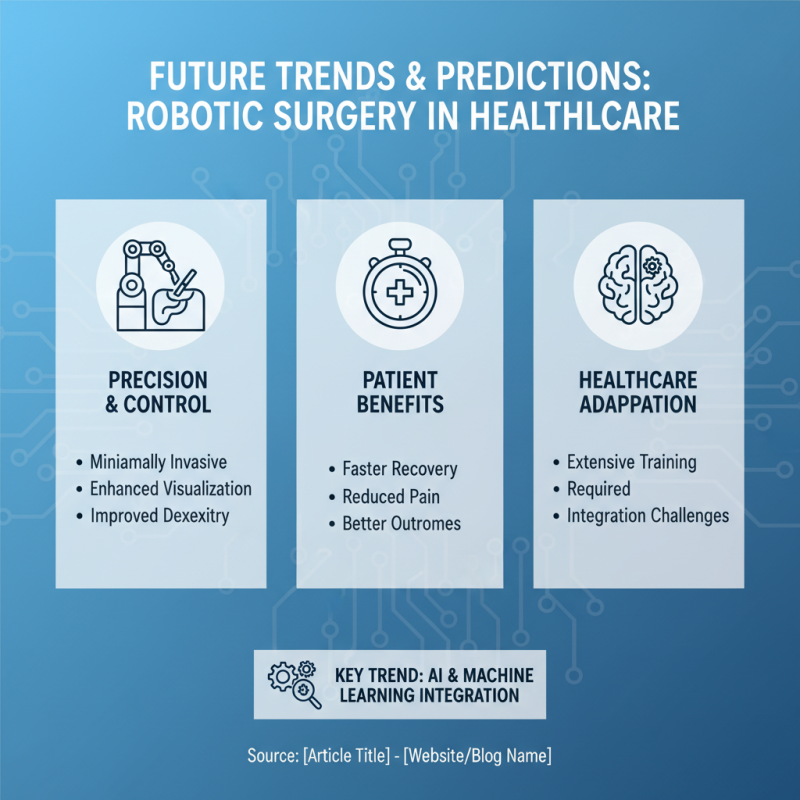
Robotic surgery is an emerging field poised to reshape healthcare. With precision and control, robots assist surgeons in various procedures. This technology minimizes invasiveness, promoting faster recovery times for patients. The integration of enhanced visualization and improved dexterity leads to better surgical outcomes. However, adaptation to robotic systems requires extensive training for healthcare professionals.
Current trends indicate a surge in robotic surgical applications. Not only in traditional surgeries but also in simpler procedures, robots are becoming more commonplace. Despite advancements, costs remain a significant barrier. Many healthcare facilities struggle to fund these high-tech systems. This raises questions about equitable access to robotic surgery.
Patient safety and ethical considerations are essential as these technologies advance. Increasing reliance on automation could lead to unexpected complications. Continuous evaluation and refinement of robotic systems are necessary. As the market evolves, collaboration between engineers, surgeons, and bioethicists is crucial. This collective effort can help ensure that the benefits of robotic surgery are widespread and responsibly managed.