Is Robot Surgery the Future of Medical Treatments Worldwide?
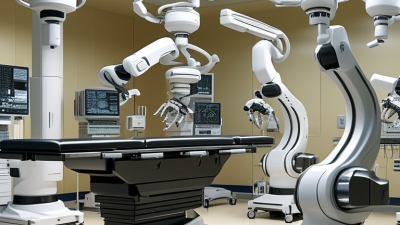
In recent years, surgery using robots has transformed the landscape of medical treatments. As Dr. John McCarthy, a renowned expert in robotic surgical systems, states, "The future of surgery lies in the precision and efficiency that robots provide." This bold assertion underscores a growing trend in healthcare, where precision is paramount.
Robotic-assisted procedures have gained traction for their ability to enhance surgical accuracy. Surgeons can navigate intricate anatomies with unmatched finesse. However, there are concerns. High costs and the learning curve for surgical teams can hinder widespread adoption. Accessibility remains a critical issue, especially in under-resourced areas.
While robotic surgery promises many benefits, it is essential to reflect on its limitations. Complications can arise, and not all procedures are suitable for robotic assistance. As we explore the future of surgery using robots, it is crucial to strike a balance between innovation and the proven methods that have long served the medical community. The path forward may not be entirely clear, but one thing is certain: the conversation about robotics in surgery is just beginning.
Overview of Robot Surgery and Its Technological Advancements
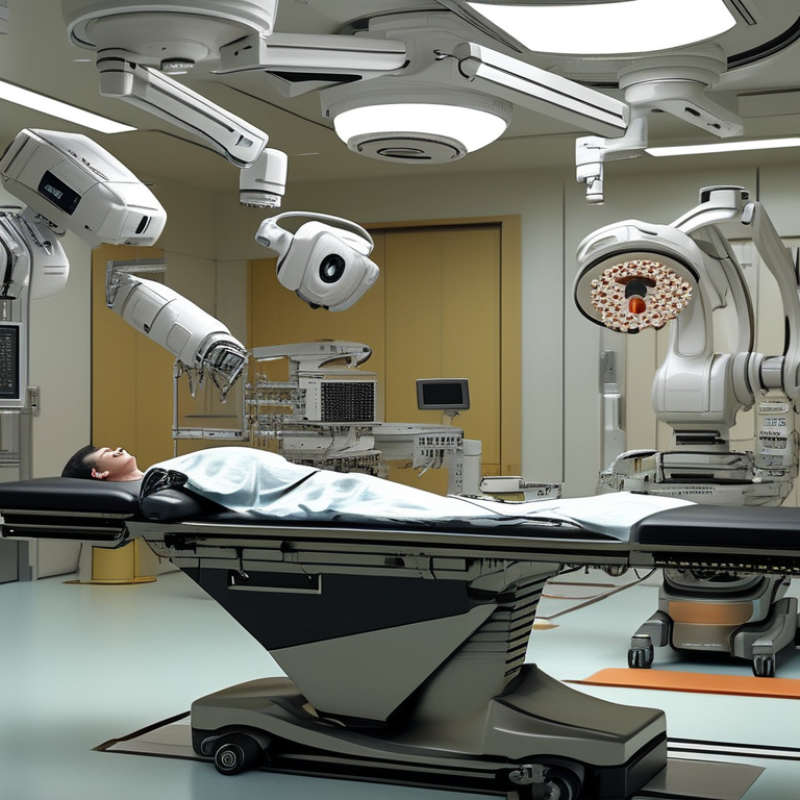
Robot surgery has emerged as a revolutionary force in medical treatments. With advancements in technology, surgical robots now offer enhanced precision and control. These systems can perform complex procedures with minimal invasiveness. Surgeons utilize robotic arms that are far more steady than human hands. This results in smaller incisions and quicker recovery times for patients.
However, the integration of robotics in surgery is not without challenges. The high cost of surgical robots may limit access for some hospitals. There is also a steep learning curve for surgeons. Comprehensive training is essential to ensure effective use. Mistakes in robotic surgery can have severe consequences, calling for constant evaluations of surgical outcomes. The ethical implications of relying on technology in surgery are still being debated.
Patients may feel uneasy about robot-assisted procedures. Trust in technology remains an ongoing concern. Despite these hesitations, research shows promising results. Data indicate that robot-assisted surgeries often lead to fewer complications. As technology continues to evolve, the landscape of surgical care may undergo significant changes. The potential benefits are immense, but caution and reflection are necessary as we embrace this new frontier.
Benefits of Robotic Surgery in Comparison to Traditional Methods
Robotic surgery offers multiple advantages over traditional surgical methods. Data from a recent report suggests that robotic-assisted surgeries can reduce recovery time by up to 50%. Patients in these procedures often experience less pain and shorter hospital stays. A key benefit is the precision of robotic arms, which can lead to fewer complications. For instance, studies show a 20% decrease in post-operative infections compared to conventional techniques.
Additionally, robotic surgery enhances visualization. Surgeons utilize high-definition 3D cameras, allowing them to see intricate details of the anatomy. This visibility can lead to improved surgical outcomes.
However, the technology comes with challenges. The cost of robotic systems is significant, potentially hindering accessibility in some hospitals. Expert opinions suggest that ongoing training for surgeons is crucial, especially as technology evolves.
Despite the advantages, not all patients may benefit equally. Some might experience longer operation times, depending on the procedure. Moreover, there's an ongoing debate about the necessity of robotic tools for certain surgeries. While robotic surgery is expanding, it’s vital to weigh the pros and cons carefully. Each surgical case should be evaluated individually, ensuring that patients receive the safest and most effective treatment options.
Challenges and Limitations of Robot-Assisted Surgical Procedures
Robot-assisted surgery is gaining traction in the medical field. While its potential is vast, several challenges need addressing. One major limitation is the high cost of robotic systems. Many hospitals struggle to justify the investment, especially smaller facilities with tight budgets. This financial barrier can restrict access to advanced surgical techniques for some patients.
Another significant challenge lies in the training of surgical teams. Even the most advanced robots require skilled operators who understand both the technology and traditional surgical methods. This can create a gap in expertise, especially in areas where surgical training programs are limited. Furthermore, there are concerns about the reliability of robotic systems. Issues such as system malfunctions can occur during procedures, leading to patient safety risks.
Additionally, not all surgical procedures are suitable for robot assistance. Some intricate surgeries may require the tactile feedback that human hands provide. This inherent limitation may make robot systems less effective in certain scenarios. As medical professionals navigate these challenges, ongoing evaluation and research are crucial to fully understanding the role of robotic surgery in future healthcare settings.
Global Adoption of Robotic Surgery: Trends and Statistics
The global landscape of robotic surgery is evolving rapidly. Recent statistics reveal that the adoption rate of robotic surgical systems is on the rise. Numerous hospitals worldwide are integrating these innovative technologies into their surgical practices. However, the implementation isn't uniform across different regions. Some countries are lagging due to financial constraints or a lack of trained personnel.
In terms of outcomes, robotic surgery is often seen as less invasive. Patients may experience shorter recovery times and fewer complications. Yet, concerns about the initial costs of robotic systems remain significant. Many medical facilities are hesitant to invest heavily without clear evidence of long-term benefits. Additionally, the learning curve for surgeons can delay widespread adoption. Training programs must evolve to equip professionals with the necessary skills.
Despite these challenges, the future looks promising. Increasing research into robotic technology is paving the way for more advanced procedures. Patient demand for better surgical experiences is also driving change. Robotic systems are not a quick fix, but they could transform how surgeries are performed in the coming years. The conversation about efficacy and accessibility will continue as the field matures.
Global Adoption of Robotic Surgery: Trends and Statistics
Future Prospects and Innovations in Robotic Medical Treatments
Robotic medical treatments are revolutionizing healthcare. Surgeons now use robots for precision, minimizing human error. These innovations bring less invasive procedures, resulting in shorter recovery times for patients. The technology also improves outcomes, with many patients experiencing less pain and scarring.
However, this shift comes with challenges. Not all surgical teams have access to such advanced tools. Training healthcare professionals to effectively use these machines takes time and resources. There are also concerns about the cost of robotic surgery. These expenses may limit accessibility for some patients.
Future prospects suggest continued advances in this field. As technology evolves, we may see smaller, more adaptable robots. These improvements could lead to even broader applications in various medical disciplines. Nonetheless, ethical considerations and patient safety must remain a priority as we explore these new frontiers. Each innovation brings a host of questions that need thoughtful reflection and dialogue in the medical community.
Is Robot Surgery the Future of Medical Treatments Worldwide? - Future Prospects and Innovations in Robotic Medical Treatments
| Surgery Type |
Robotic Assistance (%) |
Benefits |
Challenges |
| Cardiac Surgery |
80% |
Minimally invasive, reduced recovery time |
High costs, technical complexity |
| Orthopedic Surgery |
75% |
Precise alignment, improved outcomes |
Limited availability, training required |
| Urology |
70% |
Reduced pain, shorter hospital stays |
Risk of mechanical failure, cost barriers |
| Gynecological Surgery |
68% |
Less scarring, improved cosmetic results |
Need for expert training, high initial investment |
| Neurosurgery |
60% |
Increased precision, reduced trauma |
Ethical concerns, ongoing research needed |