Are Surgical Robots Worth the Investment in Healthcare?
The introduction of surgical robots in healthcare has sparked significant debate. These advanced machines offer precision that can enhance surgical outcomes. Many hospitals invest heavily in these technologies, believing they improve patient care. However, the investment raises important questions. Are surgical robots truly worth the cost?
The initial expense is substantial. Hospitals must also consider maintenance and training costs. While surgical robots can reduce recovery times, they may not be necessary for all procedures. Sometimes, traditional methods may suffice.
Moreover, the effectiveness of surgical robots relies on the surgeon's skill. Not all surgeons are equally trained to utilize these systems. There is a learning curve associated with robotic surgery that may impact initial outcomes. Therefore, a careful evaluation of individual circumstances is essential before embracing surgical robots wholeheartedly.
Overview of Surgical Robots in Modern Healthcare
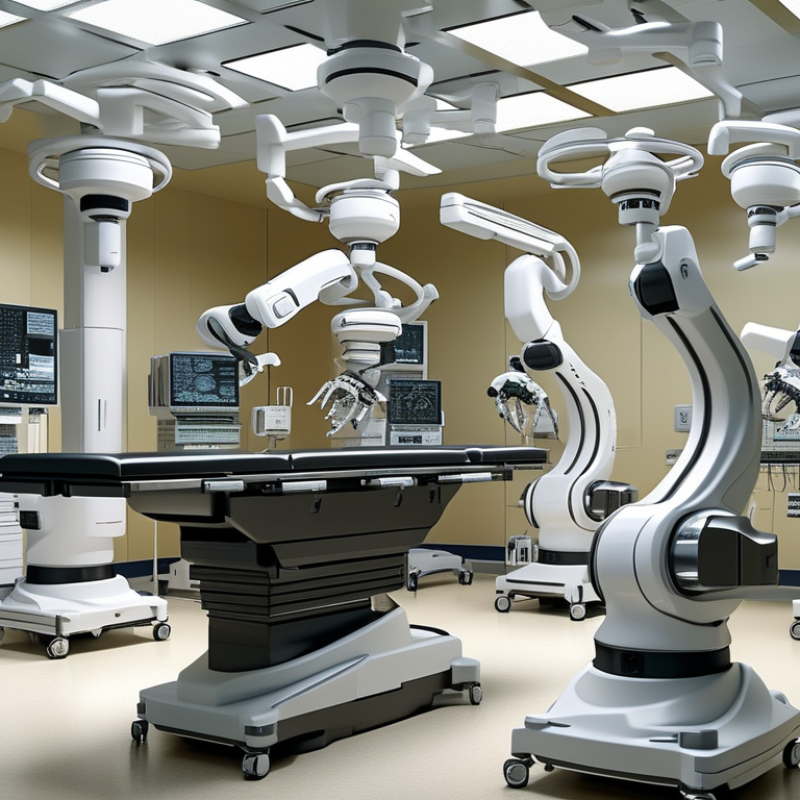
Surgical robots have transformed modern healthcare. They enhance precision during operations. Surgeons can perform complex procedures with minimal incisions. This technology reduces recovery time and hospital stays for patients. Many hospitals are investing heavily in these robots. The cost is significant, but the benefits can be profound.
In some cases, hospitals face challenges with training staff to use surgical robots. Adequate training ensures safety and efficiency. It's essential to have a skilled team for these advanced tools. Robotic systems can make errors if not used correctly. Continuous education is crucial in maintaining proficiency.
Tips: Ensure your medical institution has the necessary infrastructure. Evaluate ongoing support for staff training. Keep up with technological advancements in surgical robotics, as they evolve rapidly. Engage with experts in the field to gain insights and best practices. Investing in surgical robots can be worthwhile, but careful planning is essential.
Cost-Benefit Analysis of Surgical Robot Investment
Investing in surgical robots raises important questions about cost and benefits. Hospitals often face high initial expenses for these advanced systems. However, the long-term advantages may justify this investment. Studies suggest that robotic-assisted surgeries can lead to quicker recovery times and reduce hospital stays. Patients are often discharged sooner, which can save costs related to extended care.
Despite these benefits, not all procedures are ideal for robotic assistance. Certain surgeries may not see significant improvements in outcomes. Additionally, maintenance and training costs can add up. The learning curve for surgical teams can also lead to inconsistent results in the short term. This creates a debate about the true value of robotics in the surgical field.
Decision-makers must weigh these factors carefully. While robotic systems can enhance precision and reduce complications, they don't replace the need for skilled surgeons. Evaluating the specific needs of a healthcare facility is essential. Investing in robotic surgery should align with overall patient care goals and operational efficiency. It's a complex choice that requires thorough analysis.
Are Surgical Robots Worth the Investment in Healthcare? - Cost-Benefit Analysis of Surgical Robot Investment
| Parameter |
Value |
| Initial Investment Cost |
$1.5 Million |
| Annual Maintenance Cost |
$150,000 |
| Average Surgical Procedure Time Reduction |
30% |
| Patient Recovery Time Improvement |
25% Faster |
| Increase in Surgical Volume |
20% Increase |
| Increase in Procedure Revenue per Year |
$2.5 Million |
| Return on Investment (ROI) |
50% within 3 Years |
Impact of Surgical Robots on Patient Outcomes and Recovery
Surgical robots are increasingly used in healthcare, but their impact on patient outcomes varies. Recent studies show that these technologies can reduce recovery times significantly. For instance, a report by the American College of Surgeons indicates that robotic-assisted surgeries often lead to shorter hospital stays, averaging just 1.5 days compared to 3 days for traditional methods.
However, some concerns remain. Although the precision of robotic surgery can minimize complications, it doesn't eliminate them entirely. Research from the National Institutes of Health highlights that patients still face potential risks, such as bleeding or infection. Additionally, there is a learning curve for surgeons new to robotic systems, which can affect outcomes in early procedures. This raises questions about the true value of investing heavily in robotic technology.
The costs of surgical robots can be daunting. A single unit can exceed several million dollars, not including maintenance and training expenses. Many healthcare administrators must weigh these financial factors against the potential for improved patient outcomes. While some hospitals report a surge in patient satisfaction, others experience mixed feedback regarding the efficacy of robotic procedures compared to traditional methods. The long-term benefits must be carefully analyzed alongside these costs.
Challenges and Limitations of Implementing Surgical Robots
The integration of surgical robots into healthcare faces significant challenges and limitations. One major issue is the high cost associated with purchasing and maintaining these advanced machines. Hospitals must weigh this investment against other critical healthcare needs. Training staff to operate these robots is another hurdle. It takes time and resources to ensure that surgeons are proficient and confident in using robotic systems.
Technical difficulties can also arise during surgeries. Machine malfunctions or software glitches can create risks for patients. Surgeons need to be ready to handle these unexpected issues. Additionally, some procedures may not benefit from robotic assistance, raising questions about the appropriateness of robotic use across various surgical specialties.
Finally, there are ethical considerations to ponder. The reliance on technology raises questions about the human touch in medicine. Patients may feel uncertain about a machine making critical decisions during surgery. While robotic systems can enhance precision, the need for human oversight remains essential. The balance between technological advancement and human expertise is a topic worth exploring.
Future Trends and Innovations in Surgical Robotics
Surgical robotics is at a tipping point, revolutionizing the future of surgical procedures. These advanced systems enhance precision and reduce recovery times. Surgeons can perform complex operations with improved control. Innovations such as enhanced imaging and haptic feedback are emerging. However, these technologies require significant financial investment and training.
The integration of artificial intelligence is a notable trend. AI can analyze vast amounts of data, predicting outcomes and suggesting optimal approaches. Robots equipped with AI may even assist in pre-operative planning. Yet, the reliance on technology raises questions about human oversight and decision-making in surgical settings.
Despite the benefits, not all surgical teams adopt these innovations readily. Training can be lengthy and costly. Some surgeons prefer traditional methods, questioning robot reliability in critical situations. Balancing advanced technology with skilled human intuition remains a key challenge in the evolving landscape of surgical care.