
What Are Cleaning Wet Wipes Used For?

Cleaning Wet Wipes are practical tools for removing everyday dirt, spills, dust, and surface residue. They are commonly used on kitchen counters, desks, bathroom fixtures, shopping carts, and travel equipment. A single wipe can lift crumbs from a table or clean fingerprints from a phone case within seconds. The result depends on the wipe’s ingredients, moisture level, and intended surface.

Many people also use Cleaning Wet Wipes for quick hand cleaning when soap and running water are unavailable. However, not every wipe is designed for skin, food-contact surfaces, or germ reduction. Product labels matter. A wipe labeled for hard surfaces may irritate hands, while a cosmetic wipe may not clean a countertop effectively. Professional cleaning guidance recommends checking contact time, surface compatibility, and storage instructions before use. I have found that sealed packs work best; neglected packs often dry out at the edges.

Small details matter.

Wipes can spread dirt when used too long. Use a fresh wipe for heavily soiled areas, and avoid applying them to damaged surfaces unless the manufacturer approves it. Electronic screens, natural stone, unfinished wood, and leather may require special care. They should not be flushed, even when they seem soft or disposable. Used wipes belong in regular waste unless local instructions state otherwise. This guide examines practical uses, limitations, safety habits, and situations where a cloth, cleaner, or soap performs better. Some advice may require adjustment because products and surfaces differ.
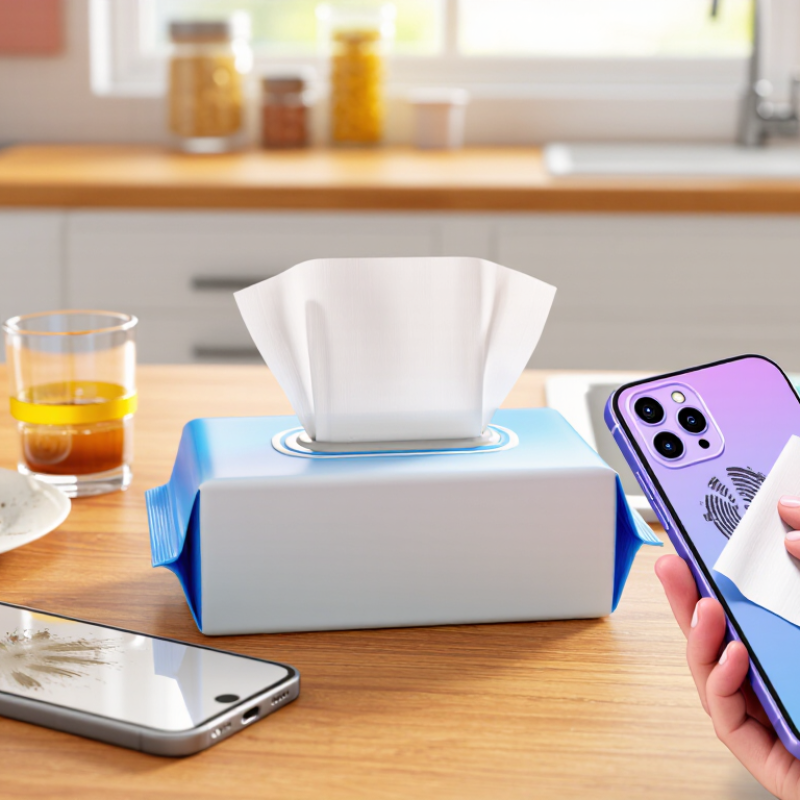
What Are Cleaning Wet Wipes Used For?

Types and Main Ingredients of Cleaning Wet Wipes

What Are Cleaning Wet Wipes Used For?

Cleaning wet wipes are designed for quick soil removal from counters, appliances, desks, and other hard surfaces. Their types differ by purpose. General-purpose wipes remove dust, food residue, and light grease. Disinfecting wipes contain regulated antimicrobial active ingredients for reducing specific germs. Glass wipes use low-residue solvents, while heavy-duty wipes rely on stronger surfactants for oily workshop dirt.

Most wipes combine a nonwoven substrate with water, surfactants, solvents, chelating agents, preservatives, and sometimes fragrance. The fabric may be spunlace, airlaid, or another engineered structure. Surfactants loosen soil. Solvents dissolve grease. Chelators help control minerals in hard water. Preservatives protect the moist formula from microbial growth. Ingredients matter, but contact time matters too. A surface can look clean and remain insufficiently treated. According to Grand View Research’s 2024 market analysis, the global wet wipes market is expected to expand at about 5% annually through 2030, reflecting wider household and institutional use. That growth also raises disposal concerns. “Flushable” claims deserve careful skepticism.

Tips: Match the wipe to the surface. Test it on a hidden corner first. Keep the lid closed, because evaporation changes performance. Use one wipe for one small area when possible, and follow the label’s required contact time. I still find this step easy to rush. That is the practical weakness. A pleasant scent proves almost nothing about cleaning power.

Common Household Uses for Cleaning Wet Wipes

What Are Cleaning Wet Wipes Used For?

Common Household Uses for Cleaning Wet Wipes

Cleaning wet wipes are useful for quick household messes. In my experience, they work well on dusty shelves, sticky cabinet handles, dining tables, and bathroom counters. A single wipe can remove crumbs, fingerprints, light grease, and spilled drinks before stains dry. They are especially convenient near entryways, where shoes and bags often leave small marks.

Use a fresh wipe on each heavily soiled area. Otherwise, you may spread dirt instead of removing it. Wipe in one direction, then allow the surface to dry naturally. For kitchen surfaces that touch food, check the package instructions carefully. Some wipes require a water rinse afterward. Cleaning wipes are not automatically disinfecting wipes, so their purpose depends on the product label.

They can also help clean remote controls, light switches, drawer handles, and bathroom fixtures. Use gentle pressure on painted walls and polished wood. I once used too much moisture on a wooden surface, and the finish looked dull afterward. That was a useful reminder: test an unseen spot first. Avoid using wet wipes on delicate fabrics, unsealed stone, or electronic openings unless the manufacturer permits it. Store the packet closed, because dried wipes become frustratingly useless. Wash your hands after cleaning, particularly after handling bathroom waste or visibly dirty materials.

What Are Cleaning Wet Wipes Used For? - Common Household Uses for Cleaning Wet Wipes

Household Use Suitable Surfaces or Items Main Purpose Recommended Method Important Precaution
Kitchen countertop cleanup Sealed laminate, tile, stone, and other wipe-compatible counters Remove crumbs, grease, food residue, and everyday spills Wipe the surface thoroughly, then allow it to dry or follow the product label Use a food-safe product or rinse food-contact surfaces when the label requires it
Appliance surface cleaning Refrigerator doors, microwave exteriors, oven controls, and dishwasher fronts Lift fingerprints, dust, splashes, and light grease Wipe gently and dry with a clean cloth if streaks remain Keep moisture away from vents, electrical openings, displays, and control seams
Bathroom surface cleaning Sinks, faucets, toilet exteriors, counters, and smooth wall tiles Remove soap residue, water spots, dust, and everyday soil Use a separate wipe for heavily soiled areas and wipe from cleaner areas toward dirtier areas Cleaning does not automatically disinfect; use a labeled disinfecting product when disinfection is required
High-touch household points Door handles, light switches, cabinet pulls, drawer handles, and railings Remove frequently transferred dirt and residue Wipe the entire contact area and observe the product’s required wet contact time if applicable Do not assume germ removal or disinfection unless the product label specifically supports that use
Dining table and chair cleanup Sealed wood, plastic, laminate, metal, and other label-approved surfaces Remove food crumbs, fingerprints, and drink spills Wipe after meals or whenever visible soil appears Check whether the surface is food-contact-safe and avoid prolonged moisture on unfinished wood
Glass and mirror spot cleaning Small areas of mirrors, glass tables, and windows Remove fingerprints and small smudges Use light pressure and buff with a dry, lint-free cloth if needed Some wipes may leave streaks; avoid use on specialty coatings unless approved
Electronic exterior cleaning Remote controls, keyboards, phones, and device exteriors when label-approved Remove surface dirt, oils, and fingerprints Power off and unplug the item; wipe with minimal moisture Never spray directly into openings, ports, speakers, or screens; follow the manufacturer’s care instructions
Furniture spot cleaning Sealed wood, plastic, laminate, and other hard furniture surfaces Remove dust, fingerprints, and small spills Test on an inconspicuous area, then wipe gently and dry the surface Avoid unfinished wood, delicate finishes, leather, and fabric unless specifically approved
Car interior touchpoints Plastic dashboards, cup holders, door handles, and steering-wheel surfaces when compatible Remove dust, fingerprints, and light everyday grime Use sparingly on a cool surface and dry excess moisture Avoid glass, screens, leather, instrument panels, and safety components unless approved by the vehicle-care instructions
Pet-area surface cleanup Hard floors, feeding-area surfaces, crates, and plastic accessories when label-approved Remove food residue, dirt, and minor messes Remove the pet and food items before wiping; allow the surface to dry Use pet-safe guidance, prevent licking of wet residue, and keep wipes away from animals
Quick spill response Sealed floors, counters, tables, and other wipe-compatible hard surfaces Absorb or remove small fresh spills before they dry Blot larger amounts first, then wipe from the outside of the spill toward the center Do not use on surfaces that can be damaged by water or cleaning ingredients; dispose of used wipes properly

Usage note: Always read the product label and test an inconspicuous area first. Do not flush cleaning wet wipes unless the packaging expressly states that they are suitable for flushing.

How to Use Cleaning Wet Wipes Safely and Effectively

Cleaning wet wipes are useful for quick surface cleaning in kitchens, offices, cars, and shared spaces. They can remove crumbs, light grease, dust, and some everyday germs. Their performance depends on the formula, surface, and contact time listed on the package. A wipe used too briefly may not clean as expected.

Use clean hands, then wipe from the less dirty area toward the dirtier area. Keep the surface visibly wet for the stated time. Let it air-dry unless the instructions require rinsing. For food-contact surfaces, check whether rinsing is necessary before placing food there. Open a window when the smell is strong. Avoid touching your eyes or mouth during use.

Never mix wet wipes with bleach, ammonia, or other cleaners. Chemical reactions can create dangerous fumes. Do not use them on skin unless they are specifically designed for personal use. Test a hidden spot before wiping wood, painted surfaces, leather, screens, or delicate appliances. I once used a general wipe on a coated surface and left a dull patch; the label was clearer than my assumption. Use a fresh wipe for each heavily soiled area, and discard used wipes in the trash, not the toilet. Keep the package sealed so the remaining wipes do not dry out. Drier wipes clean poorly.

Suitable Surfaces and Areas for Wet Wipe Cleaning

What Are Cleaning Wet Wipes Used For?

Suitable Surfaces and Areas for Wet Wipe Cleaning

Cleaning wet wipes are useful for quick surface care in homes, offices, schools, and shared spaces. They remove fresh spills, dust, grease, and many everyday residues. Common areas include kitchen counters, dining tables, desks, door handles, light switches, and bathroom fixtures. High-touch surfaces often need attention several times each day.

The surface matters. Most wipes suit sealed plastic, stainless steel, glazed tile, and painted surfaces. Use gentle pressure on desks and cabinet doors. For food-contact surfaces, check the product directions carefully. Some areas may require a clean-water rinse afterward. Never assume every wipe is suitable for food preparation spaces.

I once wiped a delicate wooden table without checking its finish. The surface looked dull afterward. That small mistake changed my routine. I now test an unseen corner first. Natural stone, unsealed wood, leather, screens, and untreated metal may stain or lose their coating. Avoid soaking electrical devices. Apply the wipe to the cloth or switch off the device before cleaning.

Wet wipes work best for small, immediate jobs. They are not a replacement for deep cleaning or proper disinfection procedures. Use a fresh wipe when moving between bathrooms, kitchens, and frequently touched surfaces. Let the surface remain visibly damp when the directions require contact time. A rushed wipe may look clean but leave behind residue or microbes.

What Are Cleaning Wet Wipes Used For?

Suitable surfaces and areas for wet wipe cleaning

Wet wipes are generally most suitable for sealed, hard, nonporous surfaces such as countertops, tables, door handles, switches, and bathroom fixtures. Use extra care on electronics, painted surfaces, unfinished wood, upholstery, and food-contact surfaces. Always follow the wipe label and the surface manufacturer’s instructions.

Rating scale: 3 = generally suitable, 2 = conditional use, 1 = generally unsuitable. Suitability depends on the wipe formulation, required contact time, and surface instructions.

Environmental and Disposal Considerations for Used Wipes

What Are Cleaning Wet Wipes Used For?

Used cleaning wipes create a disposal problem that is easy to overlook. Many contain synthetic fibres, so they can persist like small pieces of fabric. The OECD Global Plastics Outlook (2022) reported 353 million tonnes of plastic waste worldwide in 2019, with only 9% recycled. Wipes are a small part of this wider stream, but their mixed materials make recovery difficult.

Please do not flush ordinary cleaning wipes. Water UK reported that about 9 million wet wipes were flushed daily in the United Kingdom in 2019. They can combine with grease, hair, and other waste, forming blockages in pipes and treatment systems. Even wipes labelled flushable may depend on local wastewater conditions and testing standards. The label is not always the whole story. I have found that a bin beside the sink prevents careless disposal better than reminders placed across the room.

Tips: Put used wipes in a lined general-waste bin unless local guidance says otherwise. Do not place contaminated wipes in recycling. If a wipe contains strong cleaning chemicals, seal it securely and follow municipal disposal instructions. Reusable cloths can reduce waste, but they still need proper washing. That detail is often missed. An Environmental Protection Agency household-waste guide and local sanitation authority instructions should take priority, because collection rules vary by location.