Why Are Surgical Robots Revolutionizing Modern Medicine?
Surgical robots are transforming the landscape of modern healthcare. These innovative machines enhance precision, minimize invasiveness, and reduce recovery times. According to recent data from the Global Surgical Robots Market, the sector is projected to reach $12 billion by 2025, reflecting significant growth and adoption.
Dr. Amelia Hart, a leading expert in robotic surgery, states, “Surgical robots are not just tools; they are redefining surgical possibilities.” This sentiment is echoed by countless surgeons embracing robotic technologies. While surgical robots offer many benefits, they also bring challenges, such as high costs and the need for specialized training. Hospitals must weigh these factors as they integrate this technology.
The journey of surgical robots is not without flaws. Technical malfunctions can lead to unexpected complications. Additionally, access to these advanced systems is limited in many regions, raising concerns about healthcare equity. As the field evolves, it’s critical to address these issues while exploring the full potential of surgical robots.

The Rise of Surgical Robots in the Medical Field
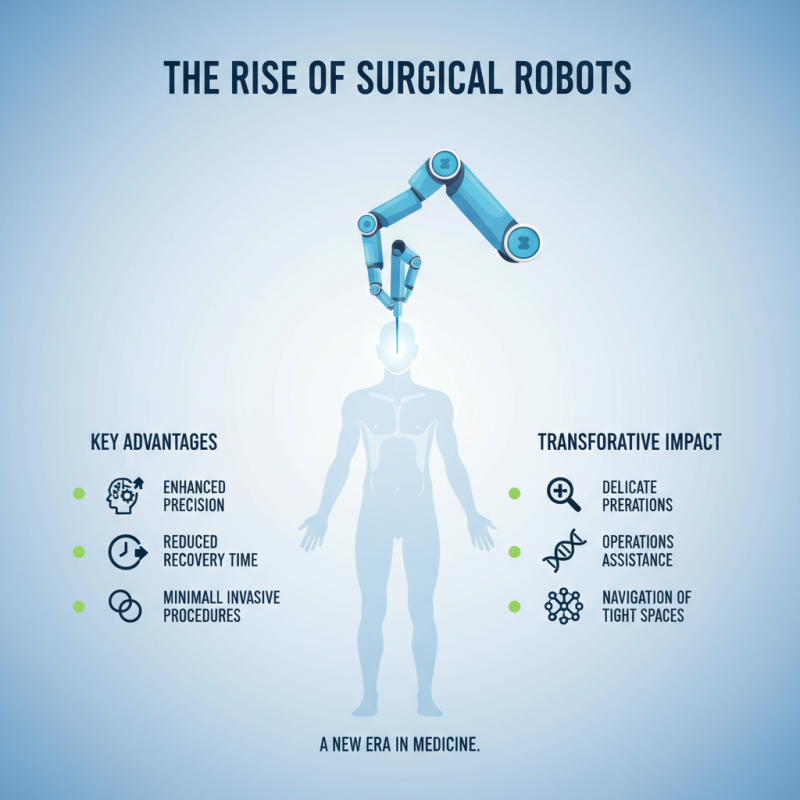
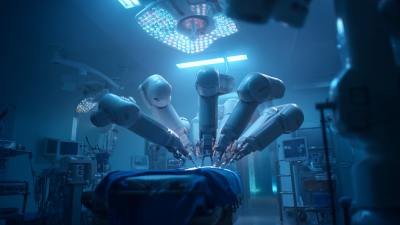
The rise of surgical robots marks a transformative shift in the medical field. These advanced machines are designed to assist surgeons in performing delicate operations. They enhance precision and reduce recovery time for patients. The introduction of robotics allows for minimally invasive procedures. Surgical robots can navigate tight spaces within the body with incredible accuracy.
However, the integration of robotics is not without challenges. Surgeons must undergo extensive training to master these technologies. Some worry that reliance on machines could overshadow the human touch in care. Each procedure is not as straightforward as it seems. Surgeons face the complex task of balancing technology and their skills. There are cases where complications arise, raising important questions about accountability.
Despite these concerns, the promise of robotic surgery is enticing. Data shows improved patient outcomes in many procedures. Less pain and quicker recoveries are significant benefits. Yet, as the technology advances, it is crucial to reflect on its implications. Continuous training for healthcare providers is essential. Maintaining the human connection in medicine should always be a priority.
Key Advantages of Robotic-Assisted Surgery
Surgical robots are transforming modern medicine with significant advantages. These machines enhance precision in various procedures. Studies show that robotic-assisted surgeries reduce blood loss by up to 50%. This is crucial for patients as less blood loss often leads to quicker recovery times.
Tips: Always consult with your healthcare provider about the best surgical options available for your condition.
Robotic systems offer greater mobility than traditional methods. Surgeons can maneuver instruments in tight spaces with ease. This enhanced dexterity can lead to less tissue damage. As a result, patients may experience less postoperative pain. However, training for these advanced tools is essential.
Tips: Research your surgeon's experience with robotic systems to ensure optimal care.
While the benefits are notable, challenges remain. Some facilities may lack access to the latest robotic platforms. This can limit the availability of advanced surgical options. Additionally, costs can be high, impacting patient choice. It’s important for patients to weigh the pros and cons carefully.
Technological Innovations Driving Surgical Robotics
Surgical robots are transforming medicine through significant technological innovations. These systems enhance precision beyond human capabilities. According to industry reports, surgical robotics market revenue is expected to reach $12.6 billion by 2025. This growth highlights increasing reliance on robotic systems.
Minimally invasive procedures are a key area impacted by this technology. Robots provide unparalleled dexterity and control in tight spaces. This reduces recovery time for patients, often shortening hospital stays by days. Studies have shown a 20% decrease in complications during robotic surgeries compared to traditional methods.
However, challenges remain. The high cost of robotic systems can limit accessibility for some hospitals. Training for surgeons requires significant time and investment. These factors can introduce disparities in surgical outcomes based on location and resources. Continuous improvement is essential to ensure that all patients benefit from robotic advancements.
Challenges and Limitations of Surgical Robots
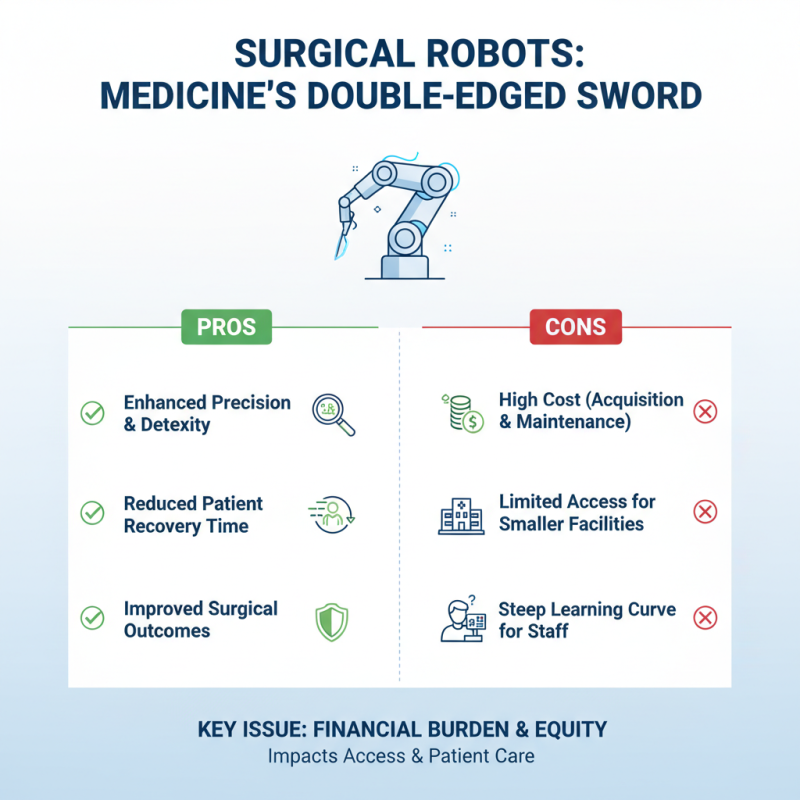
Surgical robots are transforming the landscape of modern medicine. However, they are not without their challenges and limitations. One key issue is the high cost associated with these advanced systems. Hospitals often face significant financial burdens when acquiring and maintaining robotic surgical platforms. This could limit access for smaller facilities and impact patient care.
Another concern is the steep learning curve for surgeons. Mastering the intricacies of robotic systems requires extensive training. Not all practitioners may have the time or resources to become proficient. This could lead to inconsistencies in patient outcomes. Moreover, there are instances where technical malfunctions can occur during procedures. Such failures may increase surgical risks, leaving patients vulnerable.
Lastly, the impersonal nature of robotic assistance can be disconcerting. Many patients value human interaction during surgeries. The reliance on machines may detract from this essential aspect of care. Striking a balance between technology and human touch is difficult yet necessary. As the medical community embraces these innovations, ongoing dialogue about their limitations is crucial.
Future Prospects and Trends in Robotic Surgery
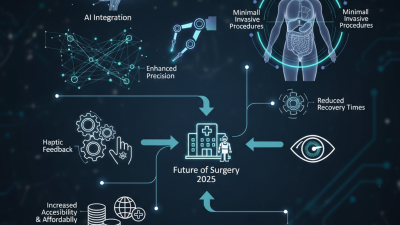
Robotic surgery is clearly reshaping the landscape of modern medicine. As technology advances, robotic systems are becoming more sophisticated and precise. These machines allow surgeons to operate with enhanced vision and dexterity. This leads to smaller incisions and quicker recovery times. However, it's important to consider the challenges that come with this evolution.
Training surgeons to use these robots effectively takes time and resources.
In the future, we might see widespread adoption of AI in robotic systems. This integration could improve decision-making during procedures. However, reliance on technology raises concerns about potential errors. There's also the question of who controls these devices. Balancing innovation and ethics will be crucial as we move forward.
Beyond the operating room, robotic surgery can influence medical education and patient care. It provides opportunities for virtual simulations, allowing aspiring surgeons to practice without risk.
Even with its advantages, robotic surgery is not flawless. Costs can be prohibitive, limiting access for some patients. There remains a need for continuous evaluation of outcomes. As we embrace this technology, questioning its implications will lead to better practices. It’s a complex arena, filled with both promise and uncertainty.