Understanding the Surgical Process: Steps, Risks, and Recovery Explained
The surgical process is a critical component in modern medicine, enabling the treatment of a variety of conditions that may not respond to conservative treatments. According to a report by the World Health Organization, an estimated 234 million surgical procedures are performed each year worldwide, highlighting the frequency and importance of surgery in healthcare. Understanding the surgical process is essential for both patients and healthcare professionals, as it encompasses a multitude of steps, from pre-operative assessments to post-operative care, each contributing to patient safety and outcomes.
As with any medical intervention, the surgical process carries inherent risks. The American College of Surgeons estimates that approximately 10% to 20% of all surgical patients experience complications, ranging from minor issues to life-threatening conditions. Factors such as the patient's age, underlying health conditions, and the complexity of the procedure can significantly influence these risks. Therefore, it is vital for patients to be well-informed and engaged in discussions regarding their surgical options and potential challenges.
Recovery following surgery also plays a crucial role in the overall success of the surgical process. The recovery period can vary significantly depending on the type of surgery performed, with some patients returning to normal activities within days, while others may require weeks or months of rehabilitation. Comprehensive understanding of the surgical process, including the associated risks and effective recovery strategies, empowers patients to navigate their surgical journey and enhances their overall healthcare experience.

Understanding the Surgical Process: An Overview
Understanding the surgical process is essential for anyone facing a procedure. The journey begins at the pre-operative phase, which involves consultations, diagnostic tests, and discussions about anesthesia options. This crucial preparation phase helps both patients and surgeons align on expectations and potential outcomes. Patients are encouraged to ask questions and express any concerns, ensuring they have a comprehensive understanding of the process ahead.
Once surgery begins, the steps typically include anesthesia administration, the surgical procedure itself, and monitoring by a skilled medical team. It's vital for patients to be aware of the various risks involved, which can range from infection to complications related to anesthesia. Despite these risks, surgical procedures often aim to significantly improve quality of life or address urgent health issues.
Post-operative care is equally important, encompassing a focus on recovery and rehabilitation. This phase includes pain management, wound care, and follow-up appointments to monitor healing. Each step in the surgical process, from pre-operative consultations to recovery protocols, is designed to ensure the safety and well-being of the patient, enabling them to return to their daily activities as smoothly as possible.
Understanding Surgical Risks and Recovery Timeline
Key Steps in the Surgical Procedure
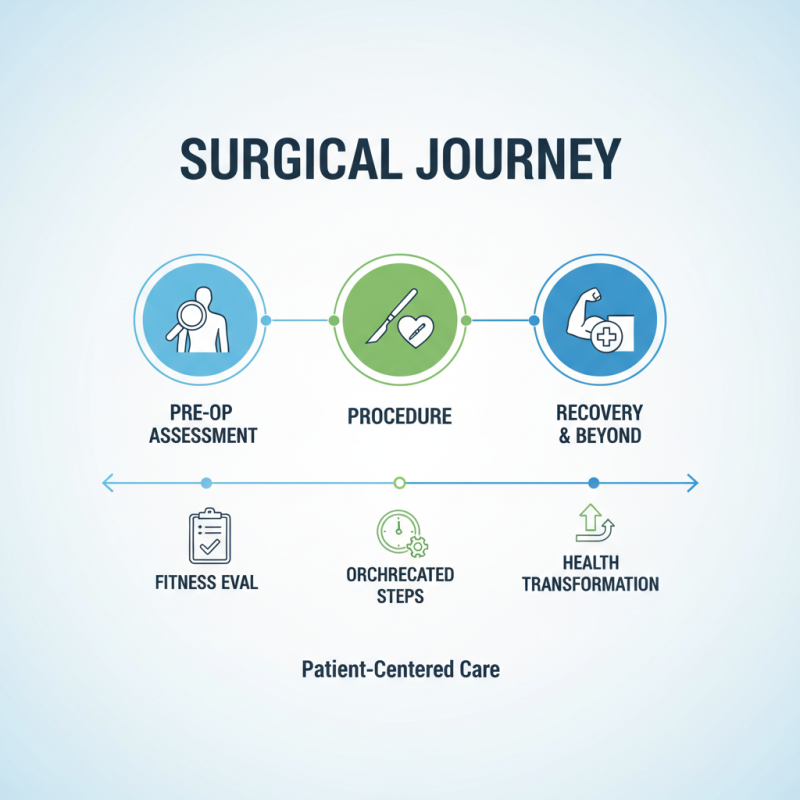
The surgical procedure is a meticulously orchestrated process that transforms a patient’s health through a series of defined steps. Initially, thorough preoperative assessment is crucial, where the patient undergoes evaluations to ensure they are fit for surgery. This includes physical examinations, diagnostic tests, and discussions about medical history and potential allergies. Establishing a clear understanding between the patient and the medical team helps set realistic expectations about the procedure.
Once the assessments are complete, the surgical team prepares both the patient and the operating room. This phase involves preoperative procedures, such as administering anesthesia and marking the surgical site to prevent errors. The surgery itself is conducted in a sterile environment, where various specialized instruments are employed according to the nature of the operation. After the procedure, the patient is monitored in the recovery room, where medical staff ensure that they wake up safely from anesthesia and address any immediate post-surgical needs.
In the days following the surgery, the recovery phase becomes paramount. Patients are typically given guidelines on how to care for their surgical site, manage pain, and recognize signs of complications. Follow-up appointments are scheduled to track healing and to address any concerns that may arise, facilitating a smooth transition back to normal activities. Each of these key steps in the surgical process highlights the importance of careful planning, skilled execution, and attentive aftercare.
Potential Risks and Complications of Surgery
Surgery, while often necessary for improved health outcomes, carries potential risks and complications that patients must consider. Some common risks include infection, bleeding, and reactions to anesthesia. While advancements in medical technology and practices have significantly reduced these risks, they are still a possibility. Understanding these complications can help you make informed decisions and prepare for your surgical journey.
Tips for minimizing risks during surgery include discussing your medical history thoroughly with your healthcare provider. Inform them of any allergies, medications, or previous surgeries that may impact your procedure. Additionally, following pre-operative instructions carefully—such as fasting requirements and medication adjustments—can dramatically decrease the likelihood of complications. Post-surgery, pay close attention to your body and monitor for any signs of adverse reactions or infections, such as persistent pain or unusual swelling.
Lastly, ensuring you have a solid support system in place can greatly ease the recovery phase. Surrounding yourself with family or friends who can assist you during your initial recovery can make the process smoother. It's essential to have clear communication with your medical team about any concerns that arise during recovery to address issues promptly and reduce the risk of complications.
Understanding the Surgical Process: Steps, Risks, and Recovery Explained
| Surgical Procedure |
Potential Risks |
Common Complications |
Recovery Time |
| Appendectomy |
Infection, Bleeding |
Wound Infection, Abdominal Abscess |
1-3 weeks |
| Knee Replacement |
Blood Clots, Nerve Damage |
Joint Stiffness, Infection |
3-6 weeks |
| Gallbladder Surgery |
Injury to Surrounding Organs, Infection |
Diarrhea, Bile Leakage |
1-2 weeks |
| Heart Bypass Surgery |
Heart Attack, Stroke |
Arrhythmias, Infection |
6-12 weeks |
Postoperative Recovery: What to Expect
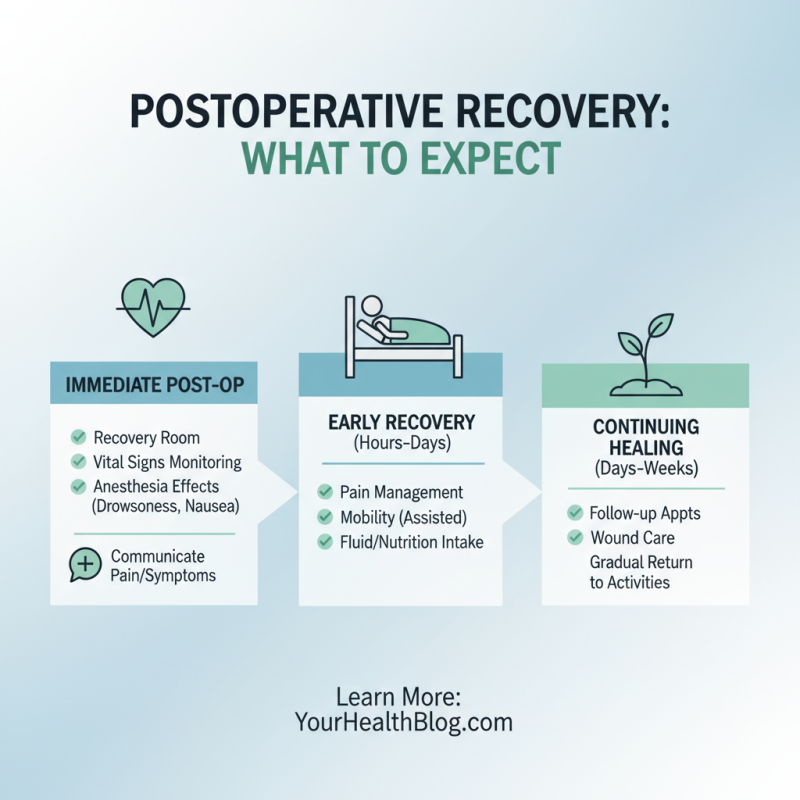
Postoperative recovery is a critical phase following any surgical procedure, and understanding what to expect can greatly ease anxiety for patients and their families. Immediately after surgery, patients are typically monitored in a recovery room where vital signs are checked and any immediate post-anesthesia effects are managed. Depending on the type and duration of the procedure, individuals may experience drowsiness, nausea, or discomfort. It’s essential during this initial period to communicate openly with healthcare providers about any concerns regarding pain or unexpected symptoms.
As the recovery progresses, patients will transition to their home environment, where they may need assistance with daily activities. Pain management is a crucial aspect of postoperative care; doctors usually prescribe medications to help alleviate discomfort. Additionally, limitations on physical activity are common, and patients are often advised to avoid heavy lifting or strenuous exercise to allow proper healing. It’s also important to attend follow-up appointments, as these visits are vital for assessing the recovery process and addressing any complications that may arise. Adhering to a prescribed care regimen and monitoring for signs of infection or other issues can significantly enhance the recovery experience.
Guidelines for a Successful Surgical Outcome
Achieving a successful surgical outcome relies heavily on the adherence to established guidelines throughout the surgical process. According to the American College of Surgeons, approximately 40% of patients experience complications during surgery, emphasizing the need for a streamlined approach that encompasses pre-operative preparation, surgical techniques, and post-operative care. Patients are encouraged to maintain open communication with their healthcare providers, as understanding the procedure and what to expect can significantly reduce anxiety and improve compliance with pre-operative instructions.
Moreover, a study published in the Journal of the American Medical Association (JAMA) highlights that comprehensive pre-surgical assessments can lower the risk of complications by up to 30%. Essential factors include a thorough evaluation of the patient’s medical history, optimization of existing health conditions, and the implementation of risk-reduction strategies, such as smoking cessation and weight management. Post-operative recovery is equally vital, as adherence to prescribed rehabilitation protocols and engagement in follow-up appointments can enhance healing and minimize the likelihood of readmissions. Investing time and resources into understanding and following these guidelines ultimately serves to improve surgical outcomes and patient satisfaction considerably.