Top Robotic Surgical Systems Trends Innovations and Future Prospects for 2025
The field of robotic surgical systems is experiencing a rapid evolution, marked by groundbreaking innovations and emerging trends that promise to redefine surgical practices by 2025. As healthcare providers increasingly embrace these advanced technologies, the importance of understanding the current landscape and future trajectories becomes paramount. Rob surgical systems are not just enhancing precision and minimizing invasiveness; they are also expanding the scope of procedures that can be assisted or performed entirely by robotic means. This transformative shift in surgery offers potential benefits such as reduced recovery times, lower risk of infection, and improved patient outcomes.
As we explore the landscape of rob surgical systems, it is crucial to delve into the key innovations driving this sector. From artificial intelligence integration to advancements in haptic feedback and imaging technologies, these innovations are paving the way for more sophisticated and versatile robotic platforms. Furthermore, the future prospects for rob surgical systems indicate a trend towards increased accessibility and affordability, which will enable wider adoption across various medical specialties. Understanding these trends will provide valuable insights into the future of surgery and its impact on patient care, positioning robotic systems as integral components of modern healthcare.

Current State of Robotic Surgical Systems in 2023
In 2023, the landscape of robotic surgical systems has become more advanced, marked by significant innovations aimed at enhancing surgical precision and patient outcomes. According to a report from MarketsandMarkets, the global robotic surgery market is projected to reach $24 billion by 2025, growing at a compound annual growth rate (CAGR) of 16.2%. This growth reflects the increased adoption of robotic-assisted surgeries across various specialties, including orthopedics, urology, and gynecology. The current state of these systems indicates a robust trend towards minimally invasive techniques, which are gaining traction due to their benefits of reduced recovery times and lower rates of postoperative complications.
Technological advancements in robotic systems are also a key driver in this sector. Recent developments have focused on enhancing the intelligence and capabilities of robotic platforms through artificial intelligence and machine learning algorithms. For instance, a report from Grand View Research highlights that AI integration is expected to enhance surgical precision and enable real-time data analysis during procedures. Furthermore, training simulators equipped with virtual reality are being increasingly utilized to improve the skills of surgical teams, thus raising the overall standard of care. As we look towards 2025, these trends suggest a promising future for robotic surgical systems, making them an indispensable component of modern healthcare.
Trends in Robotic Surgical Systems (2023-2025)
This chart illustrates the projected trends and innovations within robotic surgical systems from 2023 to 2025. The data reflects various aspects including the increase in minimally invasive surgeries, the role of data integration, advancements in AI-assisted surgical techniques, the importance of training and simulation, and overall market growth.
Key Innovations in Robotic Surgery Technology
The landscape of robotic surgery technology is rapidly evolving, with key innovations paving the way for enhanced precision and efficiency in surgical procedures. One significant trend is the integration of artificial intelligence (AI) with robotic systems. AI algorithms can analyze vast amounts of data to assist surgeons in real-time, providing insights that enhance decision-making and outcome predictions. This not only improves surgical accuracy but also contributes to personalized patient care by allowing for tailored surgical approaches based on individual patient data.
Moreover, advancements in minimally invasive surgical techniques are revolutionizing robotic surgery. New technologies are enabling smaller, more flexible robotic instruments that can be maneuvered with increased dexterity, reducing trauma to the body and leading to quicker recoveries. The use of 3D imaging and augmented reality in conjunction with robotic systems is providing surgeons with unparalleled visual guidance during procedures. As these innovations continue to develop, they promise to significantly improve surgical outcomes and expand the applications of robotic surgery across various medical disciplines.
Emerging Trends Shaping the Future of Robotic Surgery
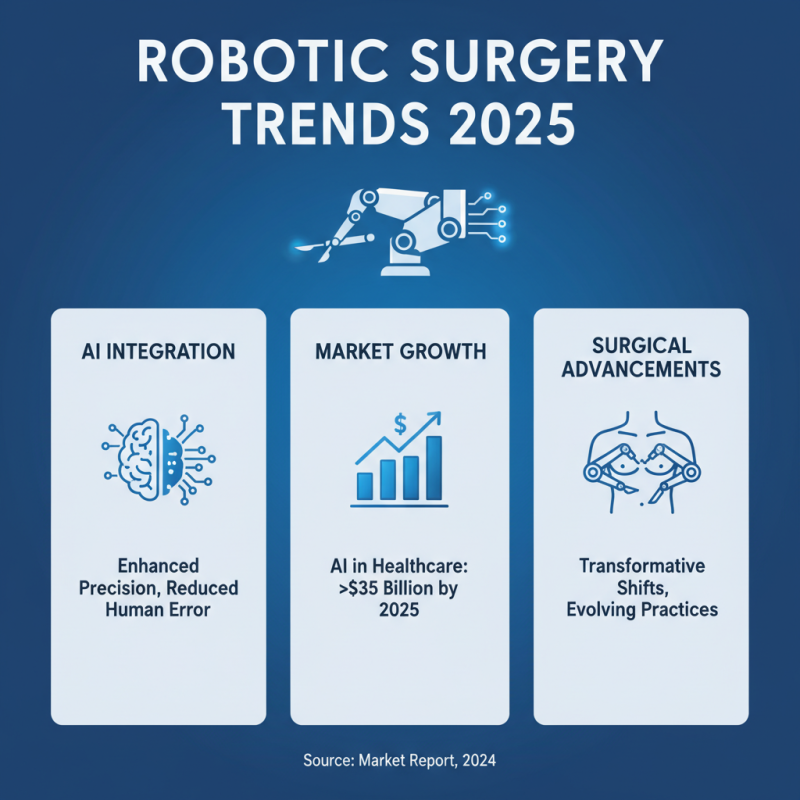
The field of robotic surgery is experiencing transformative shifts, driven by advancements in technology and changing surgical practices. As we look towards 2025, several emerging trends are poised to reshape the landscape of robotic surgery. Notably, the integration of artificial intelligence (AI) into robotic systems is expected to enhance precision and reduce the chances of human error. According to a recent market report, the use of AI in healthcare is projected to reach over $35 billion by 2025, indicating a significant surge in its application within surgical procedures.
Moreover, the demand for minimally invasive surgeries is on the rise, with many patients preferring options that promise quicker recovery times and reduced post-operative pain. This trend is supported by data from the American College of Surgeons, which estimates that minimally invasive surgical techniques can decrease hospitalization time by up to 50%. As robotic systems evolve to meet these needs, we can expect a proliferation of surgeries performed with robotic assistance, resulting in better patient outcomes.
**Tips:** When considering robotic surgery options, patients should engage in comprehensive discussions with their healthcare providers about the benefits and potential risks. Additionally, staying informed about the latest advancements in robotic technology can empower patients to make better healthcare decisions. As the industry moves forward, collaboration between surgical teams and technology developers will be crucial in optimizing robotic systems for safer and more efficient surgical interventions.
Challenges and Limitations Facing Robotic Surgical Systems
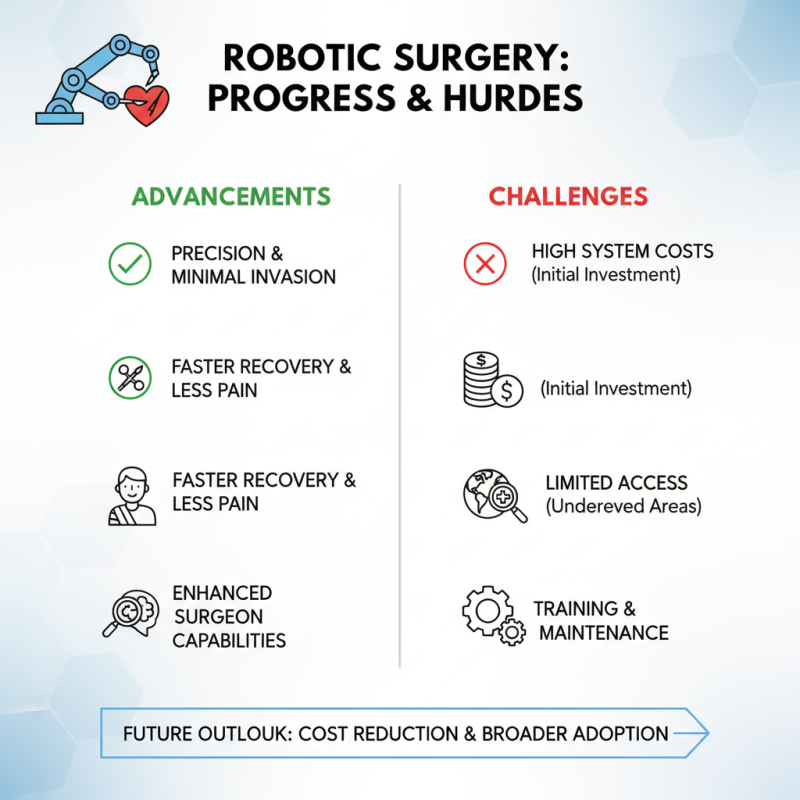
The advancement of robotic surgical systems is revolutionizing the medical field, yet challenges and limitations persist that could hinder their widespread adoption. One of the most prominent issues is the high cost associated with these systems. The initial investment for hospitals can be significant, often requiring substantial financial commitments that not all healthcare facilities can afford. This can lead to disparities in access to cutting-edge surgical technologies, particularly in underserved areas.
Moreover, there are also concerns regarding the steep learning curve for surgeons who need to acquire new skills to operate these sophisticated machines. Intensive training is required to ensure safety and efficacy during procedures, which can take time and resources away from other critical responsibilities.
**Tips for Overcoming Challenges**:
1. **Invest in Training Programs**: Hospitals should prioritize comprehensive training sessions that allow surgeons to gain confidence and proficiency with robotic systems.
2. **Explore Cost-sharing Models**: Collaborative partnerships between healthcare facilities might help distribute costs and enhance access to robotic technologies.
3. **Focus on User-friendly Design**: Manufacturers should strive to make robotic systems more intuitive, reducing the complexity of operations and expediting the learning process for medical professionals.
By addressing these challenges head-on, the full potential of robotic surgical systems can be realized, paving the way for innovative advancements in healthcare.
Future Prospects and Predictions for 2025 and Beyond
The landscape of robotic surgical systems is transforming rapidly, and as we look toward 2025 and beyond, several key prospects stand out. One of the most significant trends is the integration of artificial intelligence and machine learning into surgical robots. This advancement will enhance precision and reduce surgical errors, as AI algorithms analyze vast amounts of data to provide real-time insights during procedures. By allowing surgeons to make more informed decisions, these innovations could lead to better patient outcomes and shorter recovery times.
Moreover, the future of robotic surgery is likely to prioritize minimally invasive techniques. As technology progresses, robotic systems are becoming increasingly compact and versatile, enabling them to access hard-to-reach areas of the body with minimal incisions. This shift not only reduces physical trauma for patients but also shortens hospital stays and post-operative complications.
Furthermore, with the advent of tele-surgery capabilities, surgeons could operate remotely using robotic systems, expanding access to expert surgical care even in underserved regions. Overall, these developments promise to reshape the surgical experience and enhance healthcare delivery in the coming years.