What is Robotic Surgery and How Does it Transform Modern Medicine
Robotic surgery represents a groundbreaking advancement in the field of modern medicine, offering precision and minimally invasive options for patients undergoing surgical procedures. With the integration of advanced robotics, surgeons can perform complex operations with enhanced accuracy, resulting in reduced recovery times and improved patient outcomes. Dr. Michael McKee, a renowned expert in robotic surgery, emphasizes the transformative nature of this approach: "Robotic surgery not only enhances our capabilities as surgeons but also significantly improves the experience for our patients."
As we delve into the intricacies of robotic surgery, it becomes clear that this technology is reshaping the surgical landscape. The innovative use of robotic systems allows for greater dexterity and vision, enabling surgeons to navigate intricate anatomical structures with unprecedented ease. This evolution in surgical technique is not just about technology; it is about providing safer, more effective care for patients around the world.
In this exploration of robotic surgery, we will examine its principles, benefits, and the ways it is revolutionizing surgical practices across various medical fields. The adaptation of robotic systems marks a pivotal shift in how surgeries are performed, fostering a new era of medical excellence and patient care.

Definition of Robotic Surgery: An Overview of Its Principles and Technologies
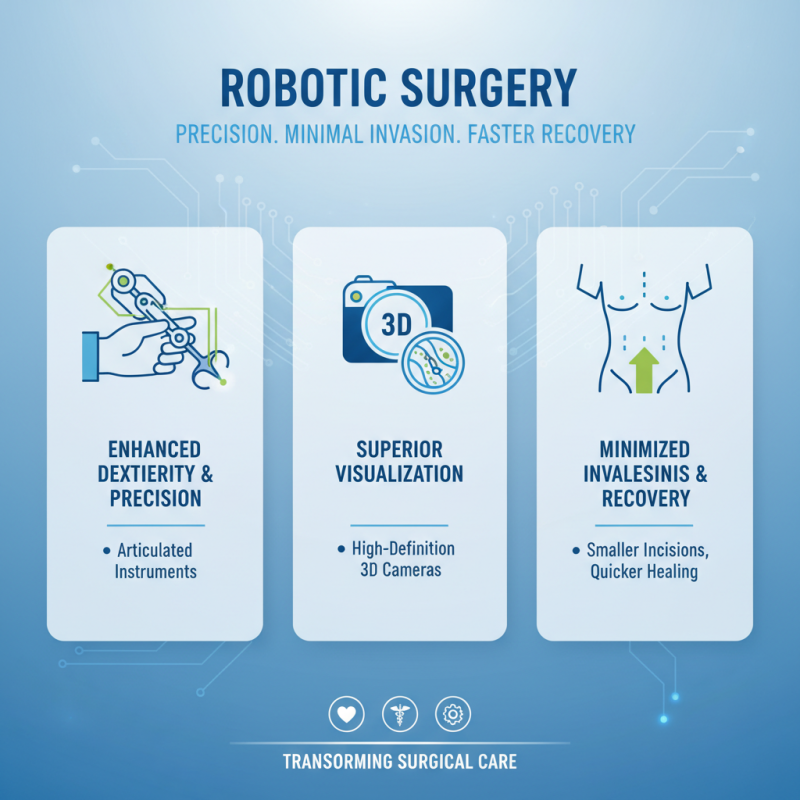
Robotic surgery is a groundbreaking advancement in modern medicine that combines precision technology with surgical expertise. This method utilizes robotic systems to assist surgeons during procedures, enhancing their ability to perform intricate tasks with greater accuracy. The core principles of robotic surgery revolve around the minimization of invasiveness, providing enhanced visualization through high-definition 3D cameras, and improving dexterity through articulated instruments. These elements work together to allow for smaller incisions, reduced blood loss, and quicker recovery times, ultimately transforming the surgical experience for both patients and surgeons alike.
Tips for selecting the right robotic surgery facility include researching the types of robotic systems used, reviewing the qualifications and experience of the surgical team, and understanding the range of procedures offered. It's also essential to consider patient testimonials and outcomes from previous surgeries to gauge the overall effectiveness and safety of the facility. By being informed and asking the right questions, patients can make educated decisions about their surgical care.
Additionally, staying engaged with technological advancements is crucial, as robotic surgery continuously evolves. New innovations may provide even more benefits, such as improved training for surgeons and better integration with other medical technologies. Keeping an eye on emerging trends in robotic surgery will help patients understand their options and ensure they receive the most cutting-edge treatment available.
The History of Robotic Surgery: Evolution and Milestones in Medical Robotics
The history of robotic surgery traces back several decades, marking a significant evolution in the field of medical robotics. The journey began in the late 20th century with the development of basic robotic systems aimed at assisting surgeons in precision tasks. Early systems were often cumbersome and limited, yet they laid the groundwork for what would become a revolutionary approach to surgery. Milestones such as the first robotic-assisted laparoscopic surgery in the 1990s demonstrated the potential of robotic systems to enhance the capabilities of surgical teams, allowing for less invasive procedures and improved patient outcomes.
As advancements continued, innovations in technology led to the introduction of more sophisticated robotic systems equipped with advanced imaging, haptic feedback, and enhanced dexterity. The 2000s witnessed a surge in the adoption of robotic surgery across various specialties, including urology, gynecology, and orthopedics. These systems allowed for greater precision and control than traditional methods, reducing recovery times and minimizing complications. Research and development in this domain have not only focused on improving the mechanics of robotic tools but also on integrating artificial intelligence to aid surgeons in decision-making processes, further transforming the landscape of modern medicine.
What is Robotic Surgery and How Does it Transform Modern Medicine - The History of Robotic Surgery: Evolution and Milestones in Medical Robotics
| Year |
Milestone in Robotic Surgery |
Description |
Impact on Medicine |
| 1985 |
First Robot-Assisted Surgery |
The first robot, Puma 560, performed neurosurgery. |
Paved the way for integrating robotic systems into surgery. |
| 1994 |
First Robotic Surgery System Approved |
The FDA approved the first robotic surgical system for laparoscopic surgery. |
Increased precision and reduced recovery time for patients. |
| 2000 |
Introduction of the da Vinci Surgical System |
A robotic surgical system that allows for minimally invasive procedures. |
Revolutionized procedures such as prostatectomies and hysterectomies. |
| 2015 |
Robotic Surgery in Cardiology |
First robotic-assisted cardiac surgery performed. |
Enabled complex heart surgeries with minimal invasiveness. |
| 2020 |
Tele-Robotic Surgery |
Surgeons performed surgeries from remote locations using robotic systems. |
Increased access to surgical care in underserved areas. |
Advantages of Robotic Surgery: Enhancements to Precision and Patient Outcomes
Robotic surgery represents a significant advancement in modern medical practices, primarily due to its ability to enhance surgical precision and patient outcomes. One of the core advantages of robotic-assisted procedures is the unparalleled accuracy they offer. Surgeons utilize robotic systems that translate their hand movements into precise micro-movements of instruments within the surgical site. This level of dexterity, coupled with 3D visual technology, allows for intricate procedures that were previously deemed too risky or complex. As a result, operations can be performed with minimal invasiveness, reducing the risk of complications and ensuring better surgical results.
Moreover, robotic surgery contributes to improved patient recovery experiences. With smaller incisions, patients often experience less postoperative pain, reduced scarring, and shorter hospital stays. The precision of robotic techniques not only decreases bleeding during surgery but also minimizes trauma to surrounding tissues, leading to faster recovery times. Overall, the integration of robotic systems into surgical procedures highlights a transformative shift in medicine, prioritizing patient safety and comfort while enhancing the overall quality of care.
Applications of Robotic Surgery: Common Procedures and Specialized Fields
Robotic surgery represents a groundbreaking advancement in modern medicine, offering precision and minimally invasive techniques across various medical applications. Common procedures that leverage robotics include prostatectomies, hysterectomies, and cardiac valve repairs. According to a report from the American Institute of Minimally Invasive Surgery, robotic-assisted laparoscopic surgeries have reduced blood loss and hospital stays by up to 50%, enhancing recovery times for patients. Additionally, specialized fields such as urology, gynecology, and thoracic surgery are experiencing heightened benefits, characterized by greater dexterity and control that surpass traditional surgical methods.
Incorporating robotic systems improves the surgeon's capabilities, allowing for more complex surgeries with fewer complications. The Journal of Robotic Surgery indicates that a significant increase in robotic-assisted procedures has occurred, with statistics showing a 25% growth in such surgeries over the past five years. Surgeons now frequently utilize these technologies to enhance patient outcomes, minimize surgical trauma, and provide a quicker return to normal activities.
Tips: Prior to any robotic surgery, it’s crucial for patients to discuss all concerns with their healthcare providers. Understanding the risks, benefits, and the surgeon's experience with robotic techniques can significantly influence the overall experience. Additionally, ensure to verify the availability of robotic surgery in your local healthcare facilities, as technology adoption can vary widely across different regions.
Future Prospects of Robotic Surgery: Innovations and Challenges Ahead
The future of robotic surgery is promising, marked by ongoing innovations and significant challenges. According to a report by the International Society of Robotic Surgery, the global robotic surgery market is projected to reach $24 billion by 2027, with advancements in AI and machine learning playing pivotal roles in enhancing surgical precision and outcomes. Surgeons are increasingly utilizing robotic systems for procedures such as prostatectomies and hysterectomies, indicating a shift towards more minimally invasive techniques that reduce recovery times and complications.
However, the integration of robotic surgery into mainstream practice also faces hurdles. A study published in the Journal of Robotic Surgery notes the high initial costs of robotic systems, which can limit access for smaller hospitals and rural clinics. Additionally, there remains a need for comprehensive training programs to ensure that surgeons are proficient in using these sophisticated technologies. As the field evolves, regulatory bodies are likely to establish more robust guidelines to ensure both patient safety and surgical efficacy.
**Tip:** For patients considering robotic surgery, it's essential to consult with a healthcare provider to understand the potential benefits and risks associated with this technology. Asking about the surgeon's experience with robotic systems can provide insights into the quality of care expected. Additionally, stay informed about emerging technologies and innovations that may further enhance surgical outcomes in the future.
Global Adoption of Robotic Surgery Technologies (2018-2023)