Everything You Need to Know About Robotic Surgery Robots Tips for Patients
Robotic surgery robots have revolutionized the landscape of surgical procedures, offering enhanced precision and minimally invasive techniques that significantly benefit patients. According to a report by Market Research Future, the global surgical robotics market is expected to grow at a compound annual growth rate (CAGR) of 22.5% from 2021 to 2027, reaching an estimated value of $12 billion. This remarkable growth underscores the increasing adoption of robotic-assisted procedures in various medical specialties, including urology, gynecology, and orthopedics.
Dr. Emily Chen, a renowned expert in the field of robotic surgery, states, "The integration of robotic surgery robots into surgical practice not only improves patient outcomes but also enhances the surgeon's capabilities, allowing for greater dexterity and visualization during complex procedures." As more healthcare facilities invest in advanced robotic systems, patients are afforded less invasive options, shorter recovery times, and ultimately, a more favorable experience overall. This article will guide prospective patients through everything they need to know about robotic surgery robots, from the technology itself to essential tips for navigating the surgical journey confidently.
Understanding Robotic Surgery: An Overview of the Technology
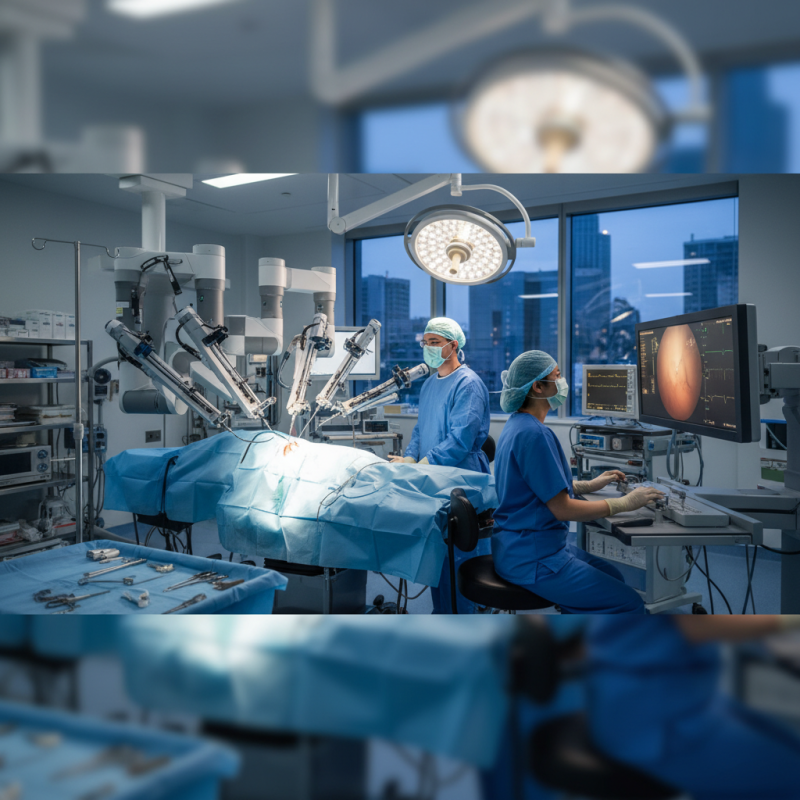
Robotic surgery has revolutionized the field of medicine, offering enhanced precision and control during surgical procedures. At its core, robotic surgery involves the use of advanced technological systems that assist surgeons in performing intricate operations. These robots are equipped with state-of-the-art instruments and cameras that provide a three-dimensional view of the surgical site, allowing for more detailed and accurate movements compared to traditional methods. Surgeons control these robotic systems from a console, utilizing specialized hand instruments to manipulate the robot's arms with remarkable dexterity.
One of the significant advantages of robotic surgery is its minimally invasive nature. Many procedures can be performed with small incisions, which not only reduces recovery time but also minimizes scarring and postoperative pain. The technology enhances a surgeon's capabilities, allowing for complex maneuvers that were once challenging or impossible to achieve. Furthermore, robotic surgery is widely applicable across various specialties, such as urology, gynecology, and cardiothoracic surgery, contributing to better patient outcomes and quicker returns to daily activities. As patients increasingly seek less invasive options, understanding the underlying technology of robotic surgery becomes essential for making informed decisions about their treatment options.
Understanding Robotic Surgery: Patient Insights
Types of Robotic Surgery Systems Commonly Used in Medical Practice
Robotic surgery systems have become increasingly sophisticated and are widely used across various medical specialties. One common type is the da Vinci Surgical System, which allows surgeons to perform minimally invasive procedures with enhanced precision and control. According to a report by the American College of Surgeons, robotic-assisted surgeries have shown to reduce hospital stays by nearly 25% compared to traditional methods, while also decreasing blood loss and post-operative complications.
Another growing area is robotically-assisted orthopedic surgeries, which utilize systems like computer-assisted surgical instruments to improve the alignment and placement of implants. These systems, including robotic arm-assisted arthroplasty, offer improved accuracy, which is crucial in procedures such as total knee replacements. The Joint Commission noted that the implementation of robotic technology has led to better patient outcomes and increased satisfaction rates.
Tips for Patients: Before undergoing robotic surgery, it’s essential for patients to discuss all options with their healthcare providers. Understanding the advantages and risks of robotic versus traditional surgeries can empower patients to make informed decisions. Additionally, patients should inquire about the surgeon's experience with robotic systems, as proficiency can significantly impact the success of the procedure. Finally, following pre-operative and post-operative instructions carefully can further enhance recovery and outcomes.
Advantages of Robotic Surgery for Patients: What to Expect
Robotic surgery has revolutionized the landscape of surgical procedures, offering a range of advantages for patients seeking minimally invasive treatment options. According to the American College of Surgeons, robotic-assisted surgeries can significantly reduce recovery times, with studies showing that patients typically experience a 50% decrease in time spent in the hospital compared to traditional open surgeries. This shorter hospital stay often translates to lower medical costs and less time away from work, aligning with patient preferences for quicker recovery and return to normal activities.
Another key advantage of robotic surgery is the precision and enhanced visualization it provides surgeons. Research published in the Journal of Robotic Surgery indicates that procedures utilizing robotic systems often result in decreased blood loss and a lower incidence of complications. For instance, a meta-analysis found that patients undergoing robotic prostatectomies had a complication rate as low as 1.5%, compared to 3-4% in conventional surgeries. This increased safety allows patients to approach surgical decisions with greater confidence and peace of mind, knowing that the recovery pathway is typically smoother and less fraught with risks. As the technology continues to evolve, these benefits are expected to expand, further solidifying the role of robotic surgery as a cornerstone in modern medical practices.
Everything You Need to Know About Robotic Surgery Robots Tips for Patients - Advantages of Robotic Surgery for Patients: What to Expect
| Aspect |
Details |
| Definition |
Minimally invasive surgery using robot-assisted technology |
| Advantages |
Reduced recovery time, less pain, lower risk of infection |
| Common Procedures |
Prostatectomy, hysterectomy, cardiac valve repair |
| Patient Considerations |
Eligibility assessment, consultation with a surgical team |
| Recovery Expectations |
Shorter hospital stay, quicker return to daily activities |
| Potential Risks |
Surgical complications, equipment malfunction, anesthetic risks |
| Post-Surgery Care |
Follow-up appointments, wound care, activity restrictions |
| Patient Testimonials |
Many report satisfaction with outcomes and faster recovery |
Preparing for Robotic Surgery: Essential Tips for Patients
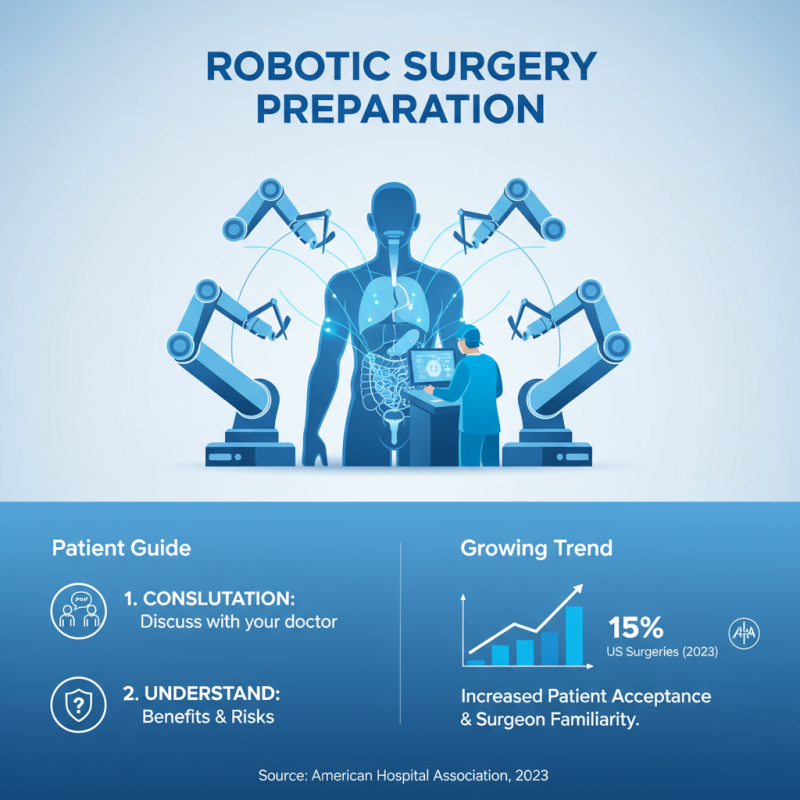
Robotic surgery has gained considerable attention in recent years due to its various advantages over traditional surgical methods. For patients considering this innovative approach, proper preparation is essential. Patients should first engage in detailed discussions with their healthcare providers to fully understand the procedure, its benefits, and potential risks. According to a report by the American Hospital Association, robotic-assisted surgeries have increased significantly, accounting for approximately 15% of all surgical procedures in the United States as of 2023, reflecting growing patient acceptance and surgeon familiarity with the technology.
Moreover, physical and mental preparation plays a vital role in ensuring a successful surgical outcome. Patients are encouraged to follow pre-operative instructions provided by their medical team, which may include dietary restrictions and medication adjustments. Staying informed and asking questions can also help alleviate anxiety. A study published in the Journal of Robotic Surgery found that patients who underwent thorough pre-operative education reported higher satisfaction levels and lower post-operative stress. By taking these proactive steps, patients can optimize their experiences and outcomes associated with robotic surgery, positioning themselves for a smoother recovery process.
Post-Surgery Recovery and Follow-Up Care After Robotic Procedures
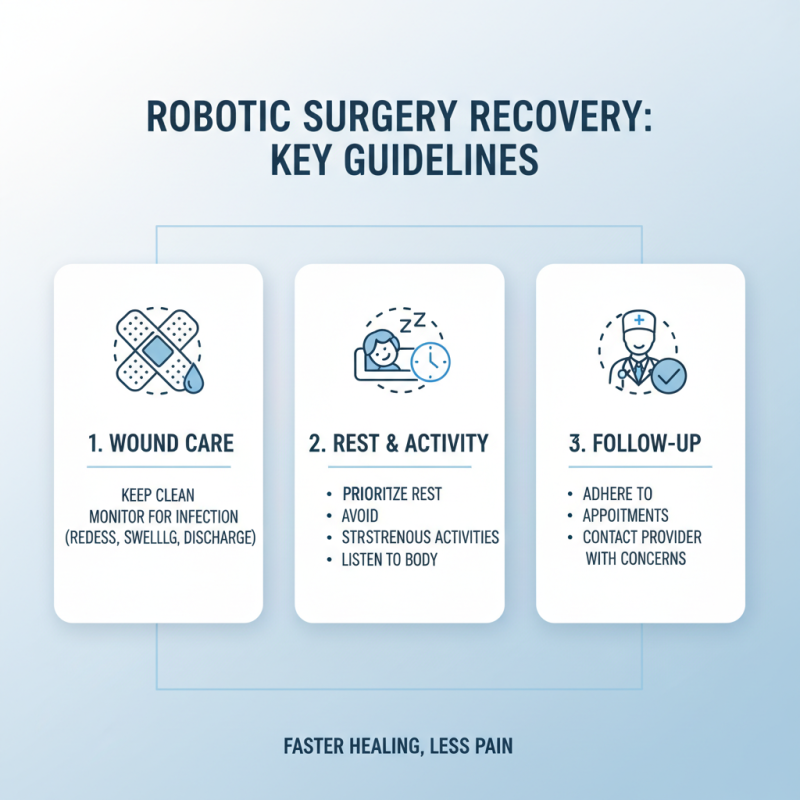
Post-surgery recovery after robotic procedures is critical to ensuring a smooth healing process and optimal results. Patients may experience less pain and faster recovery times due to the minimally invasive nature of robotic surgery. However, it is essential to follow specific guidelines to facilitate healing. Always keep your surgical site clean and watch for any signs of infection, such as increased redness, swelling, or discharge. Sufficient rest is also crucial; listen to your body and avoid strenuous activities until cleared by your healthcare provider.
In addition to following post-operative instructions, here are some valuable tips for patients to enhance their recovery. Maintaining a balanced diet rich in proteins, vitamins, and minerals can significantly aid in the healing process. Staying hydrated helps as well, so drink plenty of fluids. Incorporating light walks as soon as you feel able not only promotes circulation but also prevents complications like blood clots. Don't hesitate to ask your healthcare team any questions or express concerns during follow-up appointments; they are there to support you.
Follow-up care after robotic surgery is an essential step towards a full recovery. Regular check-ups will allow your healthcare provider to monitor your healing progress and address any issues early on. Staying proactive about your recovery by attending these appointments can ensure that you return to your normal activities safely and as swiftly as possible.