What is Precision Surgery? Benefits, Techniques, and Future Trends Explained
Precision surgery, a groundbreaking advancement in the medical field, aims to enhance surgical outcomes by combining sophisticated technology with individualized patient care. Dr. John Smith, a leading expert in precision surgery, states, “Precision surgery transforms the way we approach operations, allowing us to tailor interventions based on genetic information and real-time data.” This innovative technique not only focuses on the precise location of operations but also considers the unique biological makeup of each patient, resulting in more effective and less invasive procedures.
The benefits of precision surgery are vast, including reduced recovery times, minimized complications, and improved overall patient satisfaction. By leveraging advanced imaging technologies and robotic systems, surgeons can execute intricate procedures with greater accuracy. This approach is steadily becoming the standard in various surgical disciplines, from oncology to orthopedics, emphasizing the necessity for continuous research and training in this evolving field.
As we delve deeper into the realm of precision surgery, it is crucial to explore its current techniques, future trends, and the potential for further enhancements in surgical practice. With experts like Dr. Smith advocating for its importance, precision surgery represents not just a trend, but a revolutionary step forward in the future of healthcare.
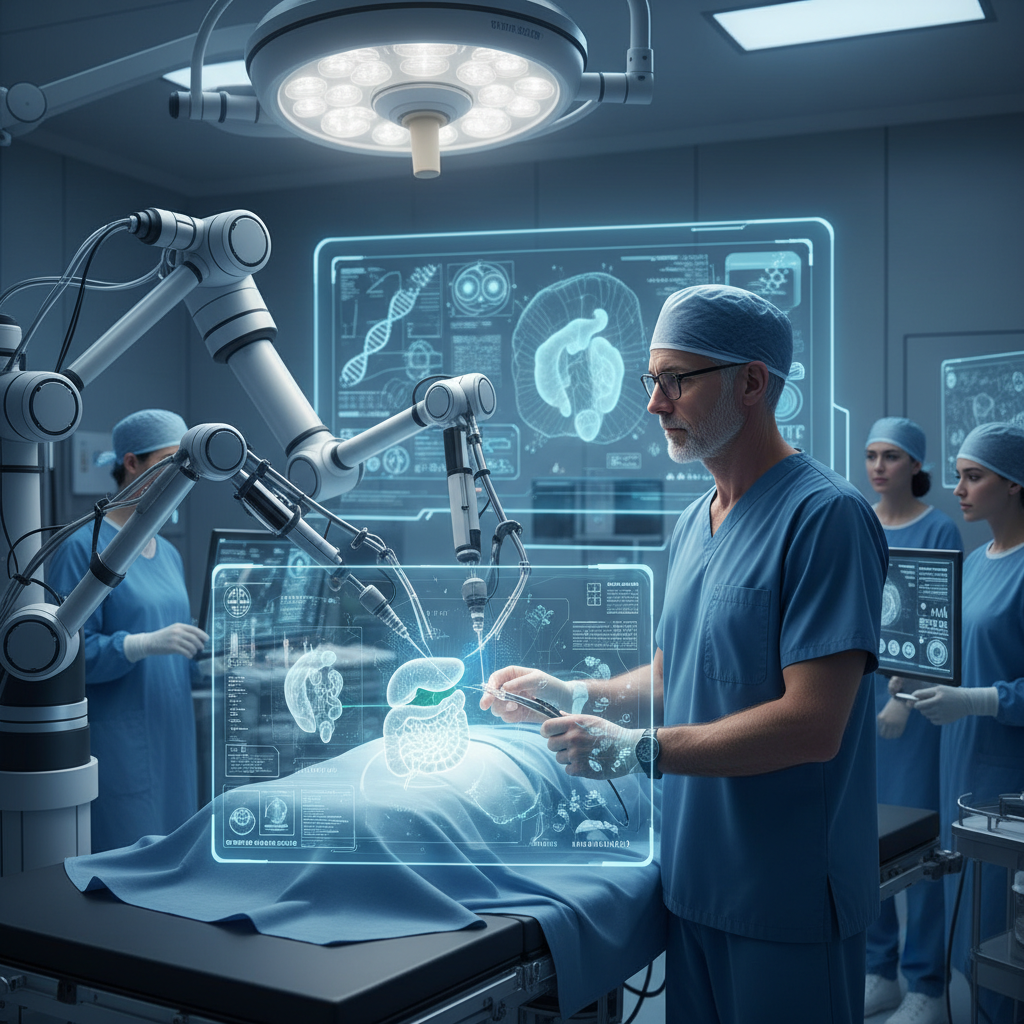
What is Precision Surgery?
Precision surgery, often referred to as precision medicine in the surgical context, represents a transformative approach that tailors surgical interventions to the unique characteristics of each patient. This method integrates advanced technologies, such as imaging techniques, genetic profiling, and data analytics, to enhance the accuracy and effectiveness of surgical procedures. By considering individual variations in anatomy, disease pathology, and treatment responses, precision surgery aims to minimize risks and improve outcomes for patients.
This surgical paradigm shifts away from the traditional one-size-fits-all approach, prioritizing personalized care. For instance, surgeons can utilize high-resolution imaging to create three-dimensional models of a patient’s anatomy, allowing for more accurate planning and execution of procedures. Moreover, the incorporation of robotic-assisted technologies allows for greater precision in surgeries, reducing recovery times and minimizing complications. As research continues to advance, precision surgery is set to revolutionize the field, offering the potential for more successful interventions tailored specifically to the needs of each patient.
Key Benefits of Precision Surgery for Patients and Healthcare
Precision surgery represents a significant advancement in medical science, focusing on tailored surgical approaches that enhance patient outcomes. One of the key benefits of precision surgery is its ability to minimize invasive procedures while maximizing effectiveness. For example, the establishment of organoid biobanks, such as the one created at a medical school in Asia for bladder cancer patients, exemplifies this approach.
By utilizing patient-derived organoids, clinicians can simulate tumor responses to various treatments, allowing for more personalized and effective intervention strategies. This "test before treatment" method not only improves the prognosis for individual patients but also streamlines the overall healthcare process.
Moreover, advancements in imaging technology and surgical techniques are poised to redefine patient care within precision surgery. Innovations in imaging solutions enable healthcare professionals to visualize and assess conditions with unprecedented detail, leading to informed decision-making. As the global cancer diagnosis rates continue to rise, with millions of new cases reported annually, the demand for precision methods in surgical oncology is more pressing than ever. With continuous research and development, the future of precision surgery promises to enhance patient safety and optimize therapeutic outcomes, tailoring interventions that cater specifically to individual patient needs.
Innovative Techniques Used in Precision Surgery
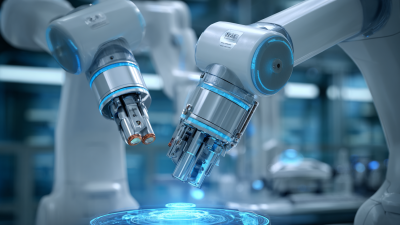
Precision surgery represents a transformative approach in the field of medicine, characterized by its reliance on advanced technologies and innovative techniques. Among these, robotic-assisted surgery has gained significant traction. This technique enhances precision and control during procedures, allowing surgeons to perform complex operations with minimal invasiveness. By utilizing robotic arms and high-definition 3D imaging, surgeons can navigate intricate anatomical structures with unmatched accuracy, reducing damage to surrounding tissues and resulting in shorter recovery times for patients.
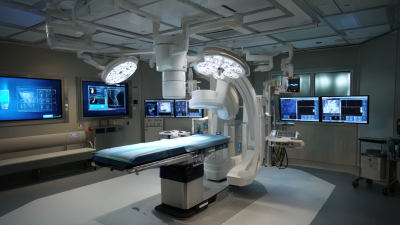
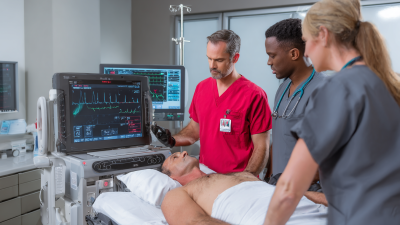
Another groundbreaking technique in precision surgery is the integration of imaging technologies, such as intraoperative MRI and CT scans, which provide real-time visuals during operations. This capability enables surgeons to make immediate assessments and adjustments, ensuring that they effectively target diseased tissues while preserving healthy ones. Additionally, the use of tailored surgical planning software allows for the creation of patient-specific surgical maps, further refining the precision of interventions. As these innovative techniques continue to evolve, they promise to elevate patient care by improving surgical outcomes and minimizing complications, marking a significant advancement in surgical practices.
What is Precision Surgery? Benefits, Techniques, and Future Trends Explained
| Dimension |
Details |
| Definition |
Precision surgery refers to medical procedures that utilize advanced technology and analytics to tailor treatment to each patient's unique anatomical and pathological characteristics. |
| Benefits |
Reduced recovery time, minimized invasiveness, lower complication rates, and improved surgical outcomes. |
| Techniques |
Robotic-assisted surgery, minimally invasive techniques, real-time imaging, 3D printing for surgical planning, and advanced biometrics. |
| Future Trends |
Integration of AI and machine learning for better predictive analytics, personalized medicine approaches, and the use of augmented reality in surgical training and practice. |
| Challenges |
High cost of technology, need for specialized training, and ethical considerations in data usage. |
Challenges and Limitations of Precision Surgery
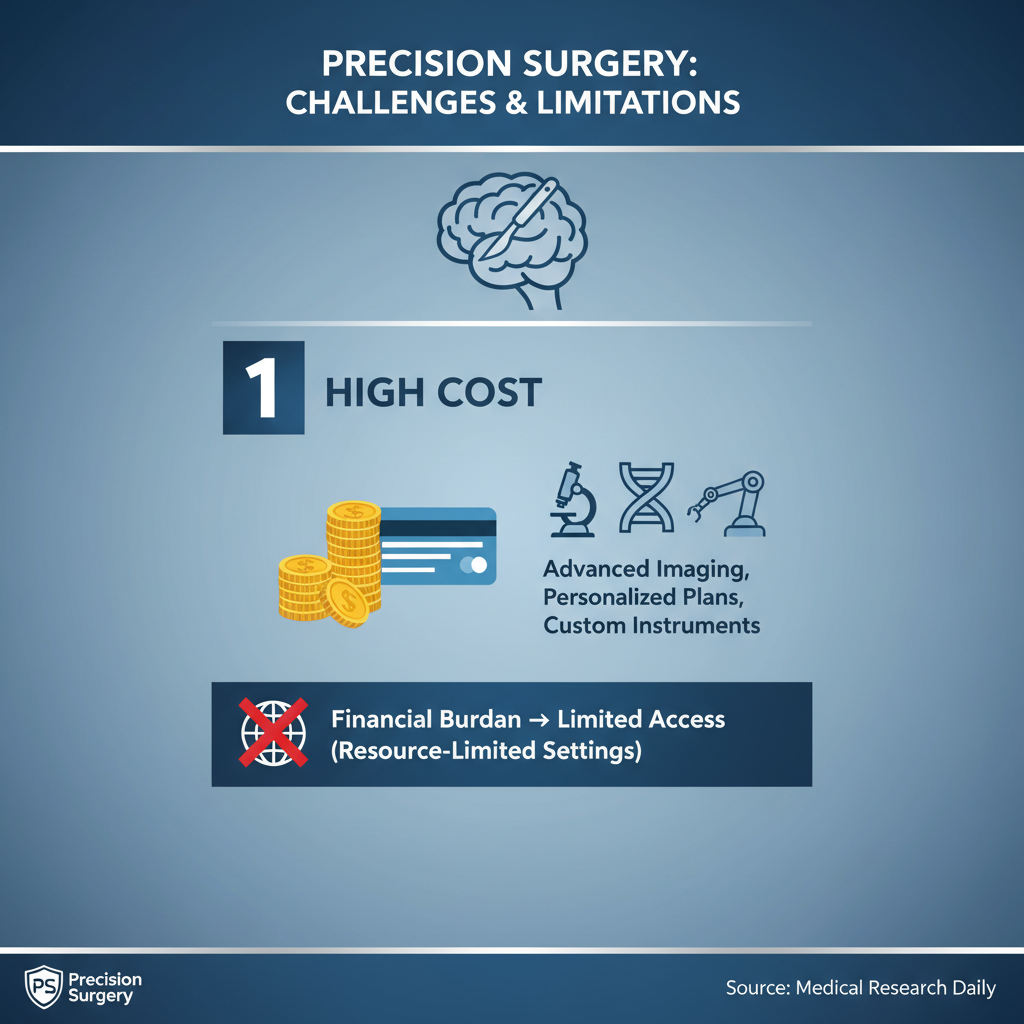
Precision surgery, despite its promising advancements, faces several challenges and limitations that can hinder its widespread adoption. One of the primary concerns is the high cost associated with precision surgical techniques and technologies. Advanced imaging, personalized treatment plans, and custom-made surgical instruments often require significant financial investment, which may not be feasible for many healthcare facilities. This financial burden can impede access to precision surgery, especially in resource-limited settings.
Moreover, the complexity of precision surgery techniques demands a higher level of training and expertise from surgical teams. Not all medical professionals are equipped with the necessary skills to utilize these sophisticated methods effectively. This skill gap can lead to inconsistent patient outcomes, undermining the potential benefits of precision surgery. Additionally, the integration of new technologies poses logistical challenges, including the need for updated equipment and systems that can accommodate advanced surgical procedures. These factors contribute to a slower acceptance of precision surgery in some medical environments, despite its potential to enhance patient care and surgical results.
Future Trends and Advancements in Precision Surgery
Precision surgery represents a transformative approach in the field of medicine, leveraging cutting-edge technology to enhance surgical outcomes. Future trends indicate a significant shift towards the integration of artificial intelligence (AI) and machine learning, which are expected to revolutionize preoperative planning and intraoperative navigation. These technologies can analyze vast amounts of data from prior surgeries, helping surgeons make more informed decisions tailored to individual patient profiles. As a result, the surgical process becomes not only more efficient but also significantly safer.
Moreover, advancements in minimally invasive techniques are pushing the boundaries of what is possible in precision surgery. Innovations such as robotic-assisted surgery and augmented reality (AR) are expected to become commonplace, allowing for greater precision during operations with minimal recovery time for patients. Additionally, the development of personalized surgical tools designed from 3D-printed models of patients' anatomy is set to enhance accuracy and reduce complications. As these technologies continue to evolve, precision surgery will likely lead to improved patient outcomes and a more targeted approach to surgical interventions.
Future Trends and Advancements in Precision Surgery