How to Improve Surgical Outcomes with Robots in Modern Medicine?
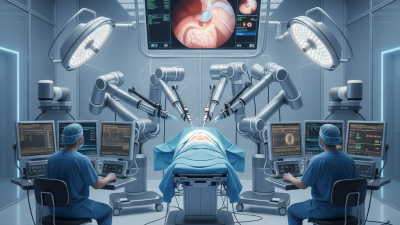
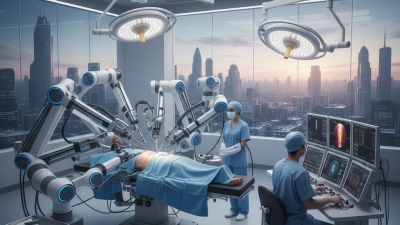
In modern medicine, surgery using robots is transforming patient care. According to a report by the American Hospital Association, robotic-assisted surgeries increased by over 20% in the last five years. This growth highlights a significant shift towards precision and efficiency in surgical procedures. Robotic systems enhance dexterity, allowing surgeons to perform complex operations with minimal invasiveness.
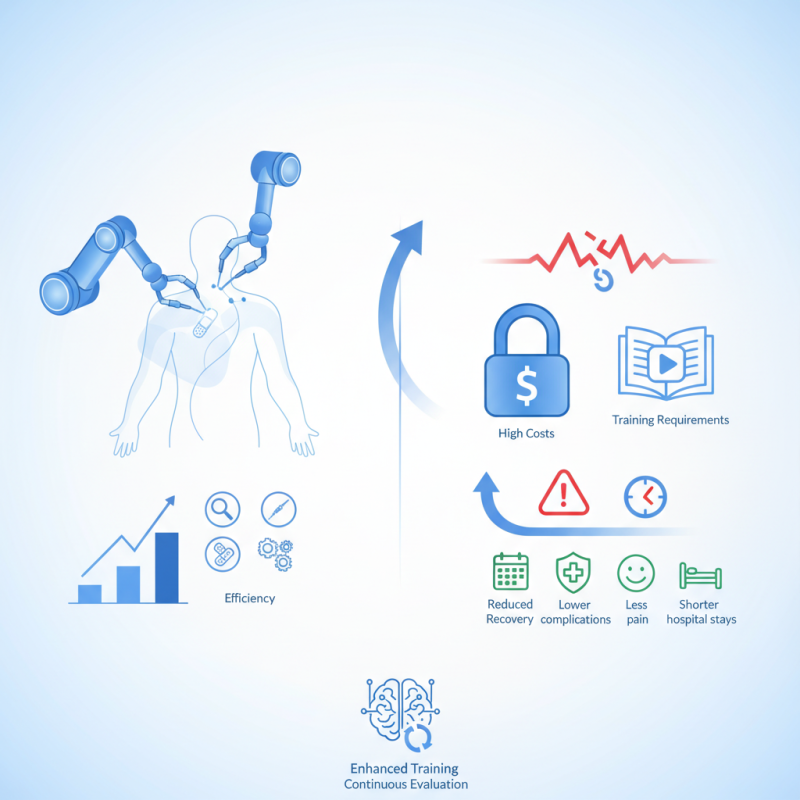
However, the adoption of robotic surgery is not without challenges. Many institutions face high acquisition costs and training requirements. A recent study revealed that surgeons need extensive practice to achieve proficiency with these systems. Operational inefficiencies may arise during initial implementation stages, potentially impacting surgical outcomes.
Despite these hurdles, the benefits are considerable. Robotic surgery can lead to reduced recovery times and lower complication rates. Patients report less pain and shorter hospital stays. As technology advances, it is crucial to address existing gaps and enhance training programs. Continuous evaluation of surgical outcomes is essential for refining robotic techniques and improving patient safety.
Evolution of Robotic Surgery in Modern Medicine
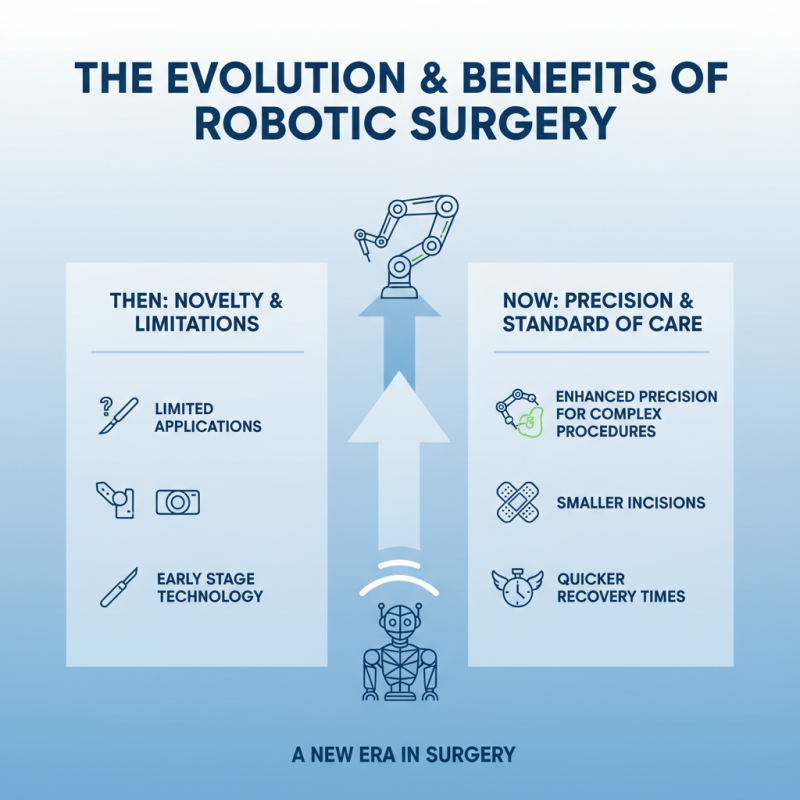
Robotic surgery has come a long way since its inception. Initially, it was a novel concept with limited applications. Now, it serves as a cornerstone in various surgical fields. Surgeons can perform intricate procedures with enhanced precision. Smaller incisions lead to quicker recovery times, which is a significant advantage for patients.
Tips: When considering robotic surgery, consult with your healthcare provider about the specific procedure. Not all surgeries may benefit from robotic techniques.
The evolution of this technology has been astonishing. Early machines were bulky and inflexible. However, advancements in robotics have created more sophisticated systems, allowing for more complex tasks. Yet, reliance on machines raises concerns about the loss of traditional skills. Surgeons must find a balance between using technology and honing their techniques.
Tips: Ensure that surgical teams are well-trained in both robotic and traditional methods. This dual skill set can enhance overall outcomes.
Despite the benefits, challenges remain. Not every hospital has access to cutting-edge robotic systems. This can create disparities in patient care. Additionally, robotic surgery often requires longer setup times. These factors can lead to delays in treatment. Balancing innovation with accessibility is crucial in the evolution of robotic surgery.
Key Advantages of Robotic-Assisted Surgical Techniques
Robotic-assisted surgical techniques are transforming modern medicine. Surgeons now use robots to perform intricate procedures. These systems enhance precision and reduce human error. The ability to operate in tight spaces is a game-changer. For instance, removing tumors near vital organs is safer with robotic assistance. This technology allows more flexible movement than the human hand. However, mastering robotic systems requires extensive training.
Another significant advantage is improved recovery times for patients. Minimally invasive surgery means smaller incisions. Patients often experience less pain and scarring. Shorter hospital stays contribute to quicker overall recovery. Yet, some surgeons might find it challenging to adapt to this technology. An over-reliance on robotic systems can pose risks if not managed carefully.
Patient outcomes are often better with robotic techniques. Studies show lower infection rates and fewer complications. But data collection is still evolving. Some hospitals struggle to keep up with the latest technology. Balancing human touch with robotic precision is essential in healthcare. Understanding these tools deeply remains a work in progress.
Comparison of Surgical Outcomes: Traditional vs. Robotic-Assisted Surgery
This chart illustrates a comparison between traditional surgical methods and robotic-assisted surgical techniques. As shown, robotic-assisted surgeries significantly reduce average patient recovery time and complication rates, highlighting the key advantages of adopting robotic technology in modern medicine.
Challenges and Limitations in Robotic Surgery Implementation
Robotic surgery promises precision and fewer complications. Yet, there are significant challenges to its adoption. According to a recent study, nearly 30% of hospitals reported difficulty in integrating robotic systems into existing surgical environments. This often stems from high costs and the need for specialized training for surgical teams.
Training can require extensive time and resources. A survey conducted by a healthcare consulting firm revealed that over 40% of surgeons felt unprepared to use robotic systems effectively. Inadequate training leads to longer operating times. Data shows robotic surgeries can take up to 20% longer than traditional procedures due to inexperience.
Additionally, not all surgeries benefit from robotic assistance. A substantial number of practitioners still question the clinical advantages. In some cases, outcomes are similar to those achieved with traditional techniques. This necessitates a reevaluation of when and where robots should be implemented. Balancing technology benefits with practical limitations must be a priority for the future of robotic surgery.
Training and Skill Development for Surgeons in Robotics
Robotics in surgery requires specialized skills. Surgeons must learn to operate advanced robotic systems efficiently. Training programs are essential to bridge the gap between traditional techniques and robotic methods. Many institutions are now offering simulations and hands-on workshops.
These programs focus on both technical skills and critical thinking. Surgeons practice with robots, developing dexterity and precision. They also receive feedback on their performance and improve their techniques. However, there is often a steep learning curve. Not every surgeon adapts quickly to using robotics. Some struggle with the technology's complexity. Reflection on their experiences is vital for growth.
Integration of robotics in surgery presents challenges. Training must be rigorous and comprehensive. Mentorship plays a crucial role in this process. Experienced surgeons can guide novices through common pitfalls. Continuous evaluation of training methods is necessary. This ensures that all surgical teams can maximize the benefits of robotic procedures.
How to Improve Surgical Outcomes with Robots in Modern Medicine? - Training and Skill Development for Surgeons in Robotics
| Training Program |
Duration |
Skills Developed |
Certification |
Outcome Improvement (%) |
| Basic Robotics Training |
3 months |
Basic robotic techniques, instrument handling |
Certificate of Completion |
10% |
| Advanced Robotic Surgery |
6 months |
Complex procedures, enhanced precision |
Advanced Certification |
25% |
| Robotic Simulation Training |
4 months |
Simulation of high-risk surgeries, decision making |
Simulation Excellence Certification |
20% |
| Robotics in Minimally Invasive Surgery |
5 months |
Minimally invasive techniques, patient safety |
Minimally Invasive Surgery Certification |
30% |
| Continuous Professional Development |
Ongoing |
Latest robotic techniques, innovations in surgery |
CPD Certificate |
15% |
Future Directions and Innovations in Robotic Surgical Systems
As robotic surgical systems advance, their future potential is vast. Surgeons now use robots for precision and better visualization during procedures. The integration of artificial intelligence may lead to enhanced decision-making support. This could minimize human error, but it raises questions about trust. Patients might doubt the robot's autonomy versus the surgeon's control.
Innovations like haptic feedback systems are on the horizon. They could provide tactile sensations, allowing surgeons to feel as if they’re operating manually. This technology may improve the surgeon's confidence, but it may also present challenges. Training becomes crucial. Not all surgeons will adapt equally to robotic systems. Ensuring diverse learning opportunities is vital to success.
Remote surgery is another exciting development. Surgeons could operate on patients from miles away with high-speed connectivity. This concept opens doors for medical access in remote areas. However, security concerns loom large. A breach could have severe consequences. As these systems evolve, ongoing evaluations and ethical considerations must align with technological growth.