
Transforming Healthcare: The Future of Robotic Surgical Systems in Minimally Invasive Procedures

The integration of robotic surgical systems in minimally invasive procedures marks a revolutionary shift in the landscape of healthcare. As reported by MarketsandMarkets, the global robotic surgery market is expected to reach $20.4 billion by 2025, growing at a CAGR of 12.6% from 2020. This surge is attributed to the increased demand for precision, reduced recovery times, and enhanced patient outcomes. Robotic surgical systems enable surgeons to perform complex procedures with greater dexterity and control, minimizing incisions and associated complications. Furthermore, a study published in the Journal of Robotic Surgery indicates that patients who undergo robotic-assisted surgeries often experience less pain, shorter hospital stays, and quicker returns to normal activities. As healthcare systems worldwide continue to embrace technological advancements, the future of robotic surgical systems promises to not only transform surgical practices but also elevate the standards of patient care to unprecedented levels.
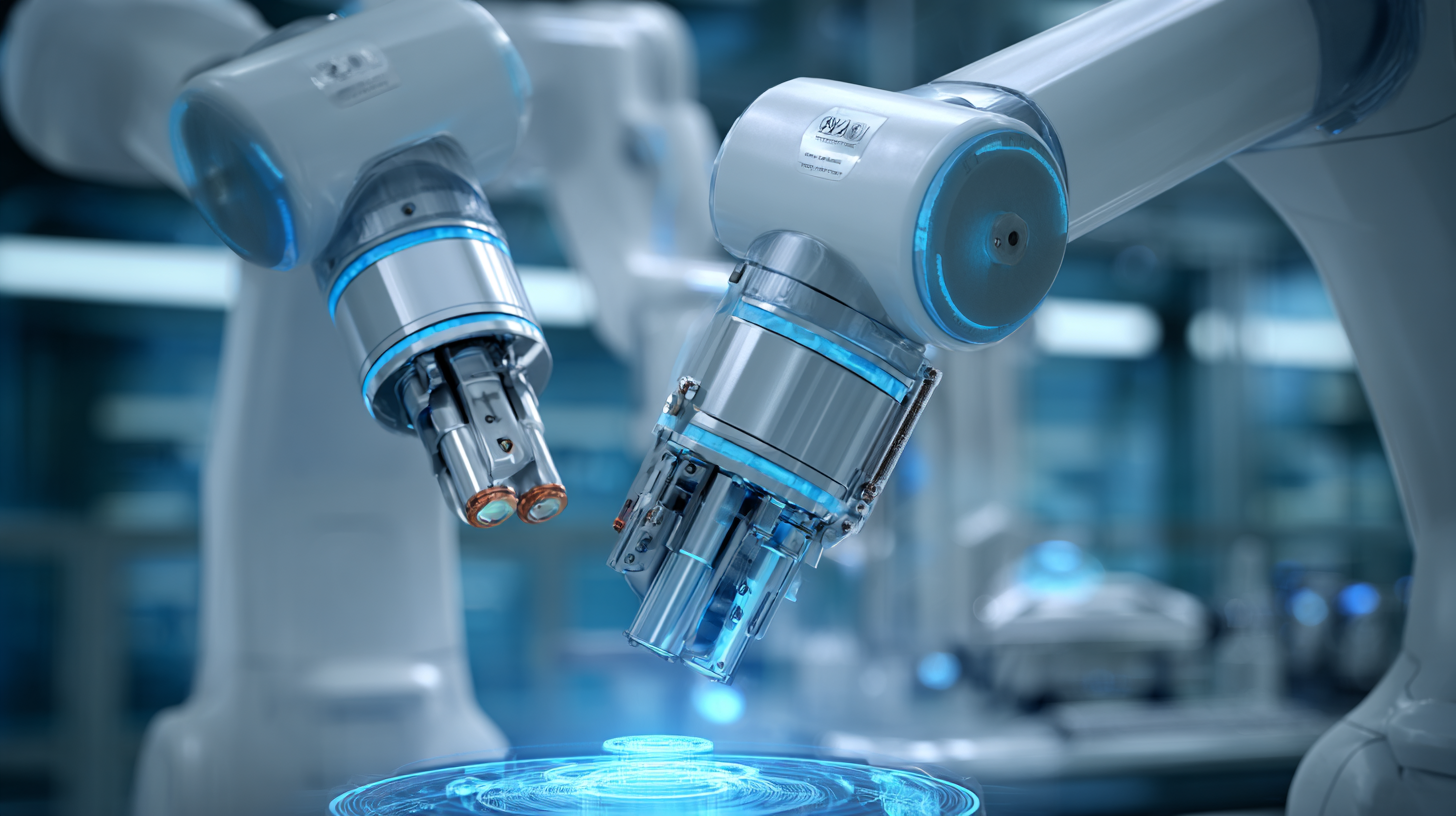
Transforming Healthcare: The Future of Robotic Surgical Systems in Minimally Invasive Procedures

The Rise of Robotic Surgical Systems in Modern Healthcare

The rise of robotic surgical systems in modern healthcare has revolutionized the landscape of minimally invasive procedures, significantly enhancing surgical precision and patient outcomes.

These advanced systems, equipped with high-definition three-dimensional visuals and robotic arms that mimic the surgeon's movements, allow for greater dexterity and control during intricate surgeries. As a result, hospitals are increasingly adopting robotic technologies to elevate the quality of care and reduce the physical trauma often associated with traditional surgical methods.

Moreover, the integration of robotic surgical systems comes with numerous benefits, including shorter recovery times, reduced postoperative pain, and decreased hospital stays for patients. With ongoing advancements in artificial intelligence and machine learning, the capabilities of these robotic systems are expected to grow, further improving surgical techniques and outcomes.

The increasing acceptance and utilization of robotic surgery signify a promising shift in the medical field, paving the way for safer and more efficient treatment options for a wide range of health conditions.
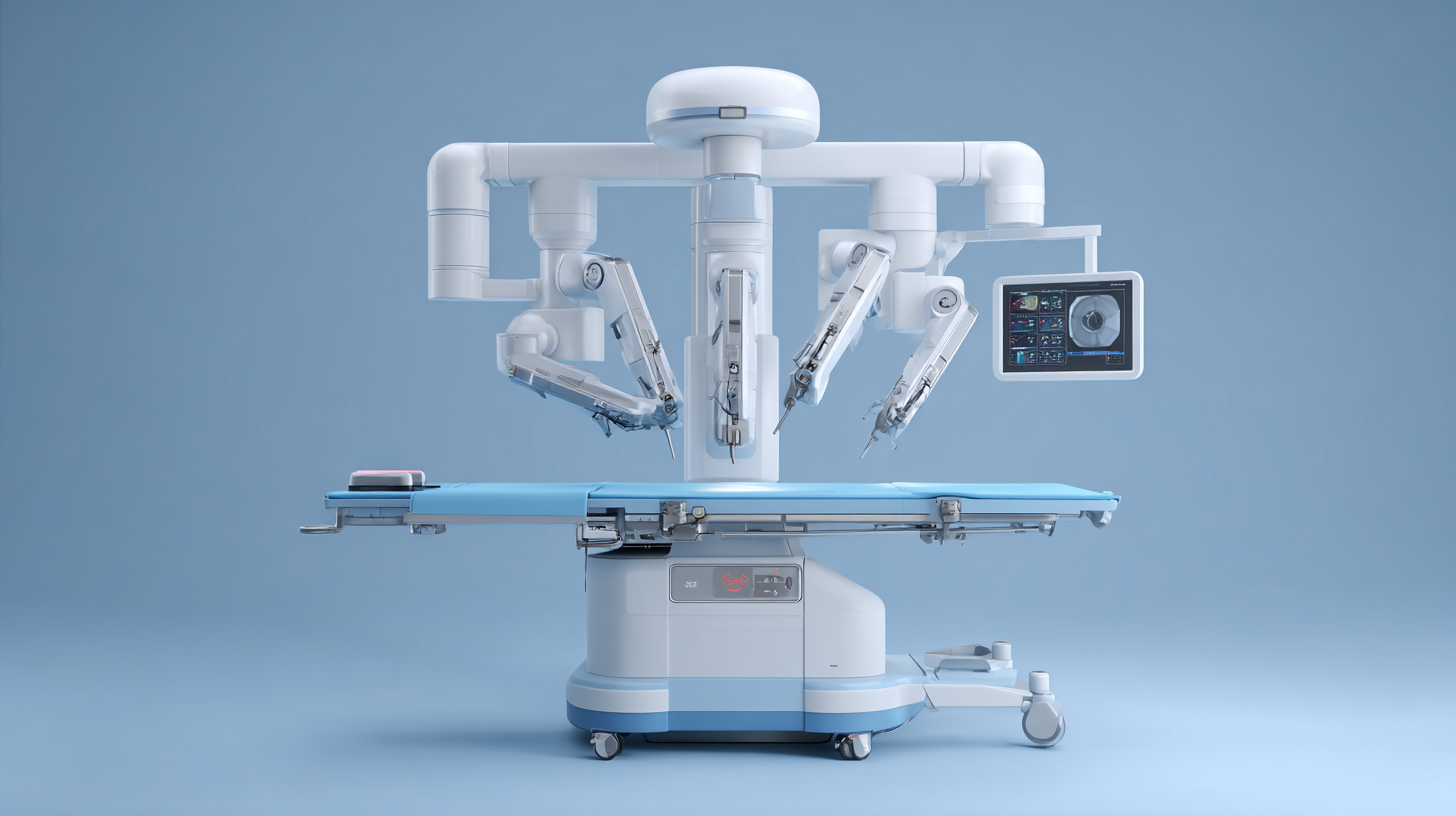
Advantages of Minimally Invasive Procedures Enabled by Robotics

Transforming Healthcare: The Future of Robotic Surgical Systems in Minimally Invasive Procedures Minimally invasive procedures have been significantly enhanced by the integration of robotic surgical systems, which provide numerous advantages that revolutionize patient care. One of the standout benefits is increased surgical precision, which is crucial in delicate operations. Robotics enable surgeons to perform intricate movements with enhanced control, leading to improved outcomes and reduced complications. This heightened accuracy is particularly valuable in complex procedures such as robotic heart valve replacements and urogenital prolapse management, resulting in safer surgeries and higher patient satisfaction.
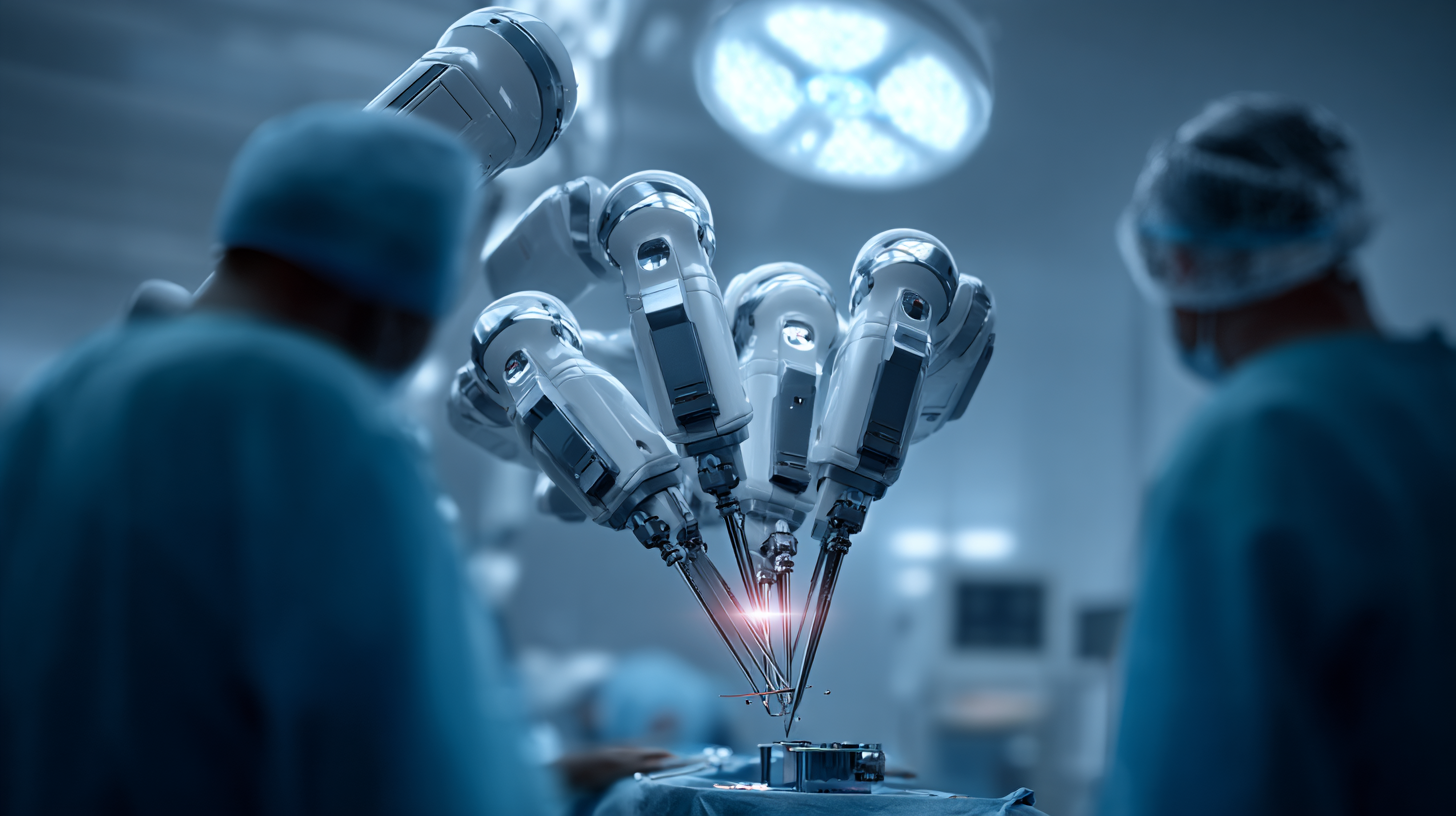

Furthermore, robotic systems contribute to shorter recovery times and less postoperative pain. Patients undergoing robotic-assisted surgeries often experience less tissue trauma, which accelerates healing and decreases hospitalization duration. The advanced technology facilitates a quicker return to normal activities, enhancing the overall patient experience. As surgical techniques evolve and robotic systems become more prevalent, the future of healthcare looks bright, with the potential for robotics to transform not just surgical practices but also enhance the quality of life for patients undergoing various medical treatments.

Key Innovations Driving the Future of Robotic Surgery Technology

The future of robotic surgical systems in minimally invasive procedures is being shaped by a wave of key innovations that enhance precision, efficiency, and patient safety. These advancements include improved robotic sensors that provide real-time feedback to surgeons, enabling them to make more informed decisions during surgery. Additionally, the integration of artificial intelligence is helping to predict potential complications and suggesting optimal surgical strategies, further elevating the level of care provided to patients.

Transforming Healthcare: The Future of Robotic Surgical Systems in Minimally Invasive Procedures

Tips for surgeons considering robotic systems include investing time in training and familiarization with the technology. Understanding the nuances of robotic tools can significantly improve surgical outcomes and reduce operative time. Furthermore, collaborating with technology developers can lead to tailored solutions that meet specific surgical needs, allowing for continual adaptation and improvement of techniques.

Another noteworthy innovation is the development of haptic feedback systems, which simulate the sense of touch for surgeons operating remotely. This technology not only enhances dexterity but also helps in performing delicate procedures with greater assurance. As these systems evolve, they will undoubtedly play a crucial role in redefining what is possible in surgical interventions, pushing the boundaries of minimally invasive surgery even further.

Challenges and Considerations in Implementing Robotic Systems

The implementation of robotic surgical systems in minimally invasive procedures presents several challenges and considerations that medical institutions must navigate. One significant challenge is the high cost associated with acquiring and maintaining robotic systems. While these advanced technologies promise improved patient outcomes and reduced recovery times, the financial burden can be substantial, particularly for smaller hospitals and clinics. Additionally, the training required for surgeons and operating room staff can be extensive and costly, which may deter some institutions from adopting these innovations.

Another consideration is the integration of robotic systems into existing surgical workflows. It is crucial for healthcare facilities to ensure that these systems complement rather than disrupt established practices. Effective collaboration between robotic technology and surgical teams is essential for maximizing the benefits of robotic-assisted procedures. Furthermore, addressing concerns related to patient safety and ensuring that these technologies meet regulatory standards are paramount in fostering acceptance among both practitioners and patients. As the healthcare landscape evolves, addressing these challenges will be critical for the successful implementation and widespread adoption of robotic surgical systems.

Transforming Healthcare: The Future of Robotic Surgical Systems

The Impact of Robotics on Patient Outcomes and Recovery Times

The integration of robotic surgical systems in minimally invasive procedures is revolutionizing healthcare, particularly concerning patient outcomes and recovery times. According to a study conducted by the American College of Surgeons, robotic-assisted surgeries can lead to a 50% reduction in postoperative complications, significantly enhancing recovery rates. Additionally, research published in the Journal of Robotic Surgery indicates that patients who undergo robotic-assisted procedures have, on average, a 30% shorter hospital stay compared to traditional open surgeries. These advancements not only contribute to improved patient experiences but also reduce the burden on healthcare facilities.

**Tips for Patients Considering Robotic Surgery:**
1. Research your surgeon's experience with robotic systems to ensure competence and familiarity.
2. Engage in discussions about the potential benefits and risks specific to your condition.
3. Prepare for a quicker recovery by following preoperative advice and maintaining a healthy lifestyle.

The impact of robotics extends beyond mere statistics; it enhances precision during operations, minimizes trauma to surrounding tissues, and can even result in smaller incisions, which naturally translates to reduced pain and faster healing. The future of robotic surgical systems promises even more innovations, with ongoing studies suggesting that these technologies could further advance surgical techniques and overall patient care.

Transforming Healthcare: The Future of Robotic Surgical Systems in Minimally Invasive Procedures

Parameter Standard Procedure Robotic-Assisted Procedure Difference
Average Length of Stay (Days) 5 3 -2
Blood Loss (mL) 300 100 -200
Postoperative Pain Score (1-10) 7 4 -3
Return to Normal Activity (Days) 30 14 -16
Surgical Complications (%) 15 5 -10