Exploring the Future of Medicine: How Robotic Surgical Systems Are Revolutionizing Patient Care
The landscape of medicine is undergoing a profound transformation, with technological advancements reshaping the way healthcare is delivered. Among these innovations, the robotic surgical system stands out as a groundbreaking development that promises to revolutionize patient care. By integrating precision engineering with advanced software, these systems enhance the capabilities of surgeons, allowing for minimally invasive procedures that lead to faster recovery times and improved patient outcomes.
As we delve into the future of medicine, it is essential to explore how robotic surgical systems are not only augmenting surgical techniques but also redefining patient experiences. These sophisticated tools enable surgeons to perform complex surgeries with greater accuracy, reducing the risks typically associated with traditional methods. Furthermore, they empower medical teams with enhanced visualization and dexterity, significantly improving the standard of care provided to patients.
In this exploration, we will examine the various applications of robotic surgical systems, their impact on the healthcare industry, and the potential challenges and ethical considerations that accompany their widespread adoption. As we stand on the cusp of a new era in medicine, understanding the implications of these technologies will be crucial in shaping the future of patient care and surgical practices.
Understanding Robotic Surgical Systems: Key Technologies and Innovations Shaping the Future
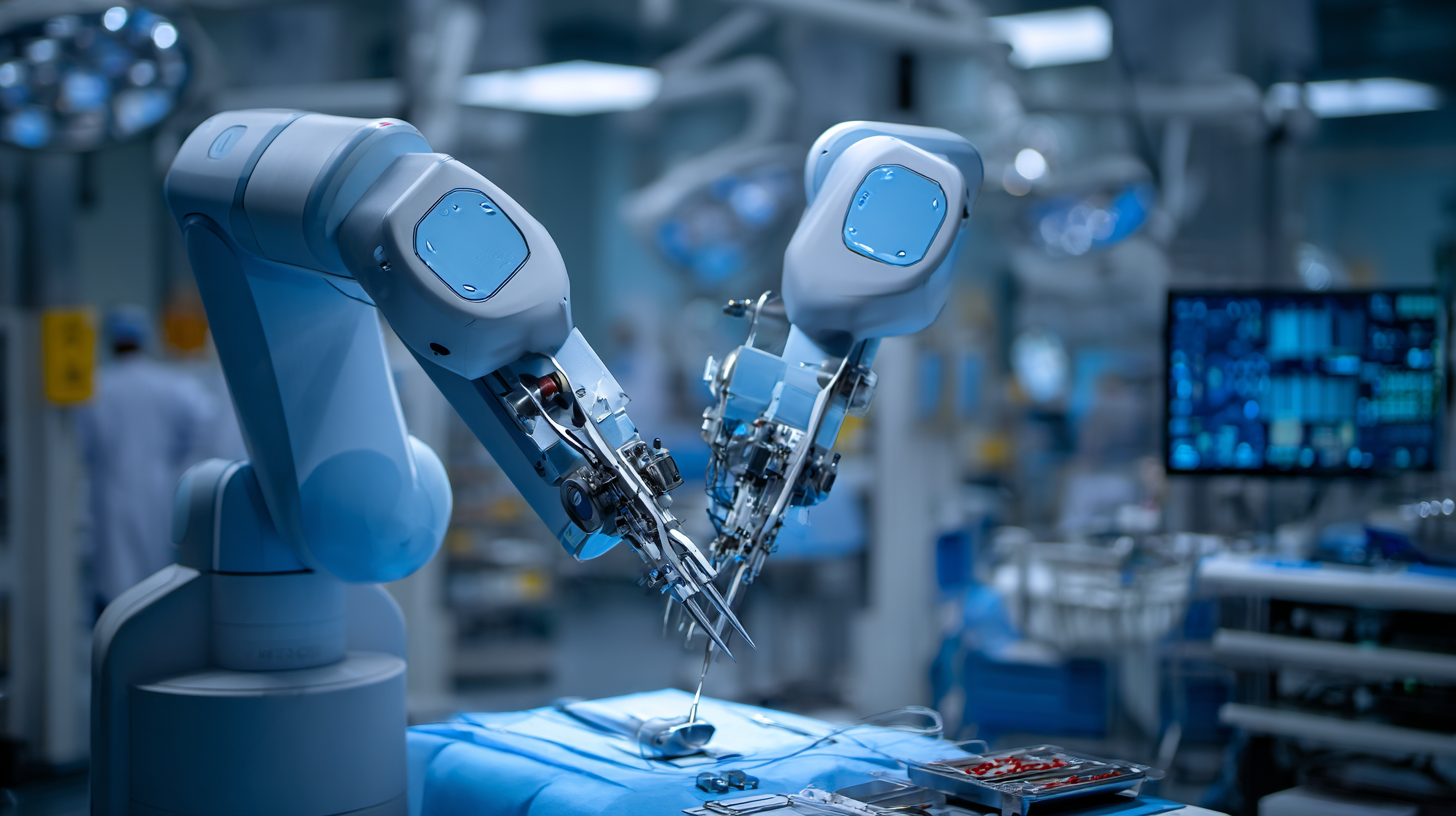
Robotic surgical systems are rapidly transforming the landscape of patient care, introducing advanced technologies that enhance surgical precision and outcomes. At the core of these innovations are sophisticated robotic arms that can mimic the movements of a human surgeon with unparalleled accuracy. These systems often incorporate high-definition 3D visualization, which allows surgeons to navigate complex anatomical structures with greater clarity than traditional methods. The dexterity of robotic instruments reduces the need for extensive incisions, leading to less trauma for patients, shorter recovery times, and minimal scarring.
Moreover, the integration of artificial intelligence and machine learning further elevates the capabilities of robotic surgical systems. AI algorithms can assist in preoperative planning by analyzing a patient’s unique anatomy and predicting potential complications during surgery. Additionally, real-time data analytics provide surgeons with valuable insights, enabling them to make informed decisions throughout the procedure. As these key technologies continue to evolve, the future of medicine seems promising, with robotic surgery poised to redefine standards of care and improve overall patient outcomes.
Statistical Insights: How Robotic Surgery Reduces Complications and Improves Recovery Times
The integration of robotic surgical systems is set to transform patient care significantly, offering promising statistical insights into its benefits. As the market for AI in robot-assisted surgery is projected to soar from $7.42 billion in 2025 to $96.90 billion by 2032, the evidence supporting its efficacy in reducing complications and improving recovery times becomes increasingly compelling. Recent studies highlight that robotic surgeries lead to decreased surgical trauma, lower complication rates, and faster recoveries, allowing patients to return to their normal lives sooner.
 Moreover, cost-effectiveness analyses underscore the financial viability of employing robotic interventions, particularly for older individuals who often face heightened surgical risks. Robotic systems enhance precision in minimally invasive procedures, thereby reducing the need for lengthy hospital stays and subsequent healthcare costs. With the minimally invasive medical robots market anticipated to reach USD 183.07 billion by 2034, the evolution of robotic surgery not only revolutionizes healthcare practices but also demonstrates a clear pathway toward better economic and clinical outcomes for patients across diverse demographics.
Adoption Trends: The Growing Use of Robotic Surgery in Hospitals and Cost Analysis
The adoption of robotic surgical systems in hospitals has steadily increased over the past decade, transforming the landscape of patient care. According to a report from the
MarketsandMarkets, the global surgical robotics market is projected to reach $12.6 billion by 2028, growing at a
compound annual growth rate (CAGR) of 21.8%. This trend reflects a broader acceptance of robotic-assisted surgeries, which are associated with
improved precision, reduced blood loss, and shorter recovery times when compared to traditional surgical methods.
Hospitals equipped with robotic systems report higher patient satisfaction rates, solidifying the value of these technologies in modern medicine.
When considering the cost of implementing robotic surgery, hospitals must weigh both initial investment and long-term benefits. The average cost of a robotic surgical system can range from
$1.5 million to $2.5 million, but with the potential for reduced hospital stays and lower complication rates, the return on investment can be substantial.
A study published in the Journal of Medical Economics highlighted that robotic surgery can save approximately
$1,800 per patient when factoring in costs associated with complications and readmissions.
Tip: Hospitals should start by analyzing the specific needs of their surgical departments and patient demographics to determine the most beneficial robotic systems for their operations.
Tip: Engaging with stakeholders, including surgeons and financial analysts, can aid in crafting a well-informed strategy for the adoption of robotic technology, ensuring a smooth transition and optimal utilization.
Patient Perspectives: Enhancing Surgical Experience and Outcomes Through Robotics
Robotic surgical systems are transformative not only for surgeons but also for patients, significantly enhancing their surgical experience and outcomes. For instance, advancements in robotic technology have allowed for delicate procedures, such as repairing a congenital heart defect in an 18-year-old patient. This precision reduces recovery time and minimizes scarring, allowing patients to return to their daily lives faster.
With a focus on patient safety and comfort, these systems are reshaping how surgeries are performed, shifting the emphasis toward minimally invasive techniques.
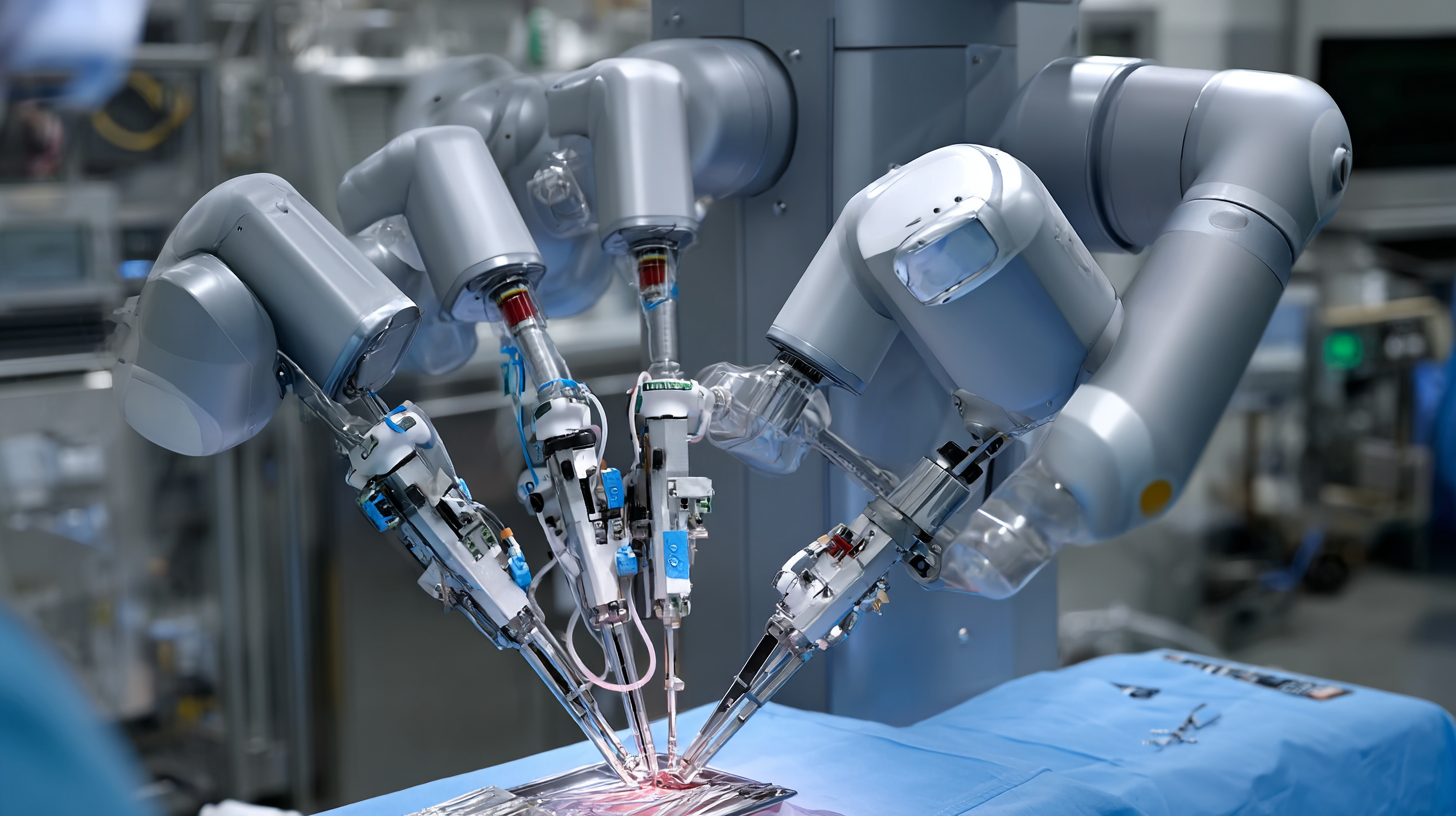
As the field evolves, patients are also seeing a shift in their overall experiences. The integration of artificial intelligence with robotic systems is streamlining surgical processes, further reducing complications and hospital stays. Training for surgeons is becoming more rigorous, ensuring they master these advanced techniques that promise better outcomes for patients.
The narrative of patients experiencing robotic-assisted surgeries reflects
growing confidence in these innovations, highlighting a future where surgical interventions are safer, more effective, and tailored to individual needs, ultimately revolutionizing patient care.
Future Forecast: The Role of AI in Advancing Robotic Surgery Capabilities and Patient Care
The integration of artificial intelligence (AI) in robotic surgical systems is set to transform the landscape of patient care dramatically. AI algorithms enhance the precision of robotic systems, allowing for more accurate surgical interventions. By analyzing
vast amounts of data, these systems can anticipate complications, optimize surgical approaches, and even recommend customized treatment plans. This heightened capability ensures that surgeons can make informed decisions, significantly improving patient outcomes.
Moreover, AI's role extends beyond just the operating room. Machine learning can analyze patient histories, predicting outcomes and recovery trajectories with incredible accuracy. As robotic systems become increasingly sophisticated, they will not only assist surgeons but also provide real-time
feedback and support during surgeries. As a result, healthcare providers can deliver personalized care tailored to individual patient needs, thereby revolutionizing how surgical procedures are conducted and redefining patient experiences in the medical field.