Exploring the Future of Healthcare: How Robotic Surgery Procedures Are Transforming Patient Outcomes
As the healthcare landscape evolves, robotic surgery procedures are emerging as a transformative force that significantly enhances patient outcomes. According to a recent report by the MarketsandMarkets Research, the global robotic surgical systems market is projected to reach
USD 20.6 billion by 2026, growing at a compound annual growth rate (CAGR) of 12.6%. This upward trend underscores the increasing adoption of robotic technology in
operating rooms worldwide, enabling surgeons to perform complex surgeries with remarkable precision and minimal invasiveness.

A 2021 study published in the Journal of Robotic Surgery indicated that patients undergoing robotic-assisted procedures experienced 30% less postoperative pain and reduced recovery time compared to traditional techniques. As robotic surgery procedures continue to advance, they hold the promise of not only improving surgical accuracy but also enhancing overall patient safety and satisfaction, ultimately reshaping the future of surgical care.
Understanding Robotic Surgery: Key Technologies and Techniques
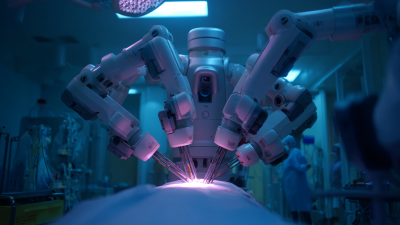
Robotic surgery is revolutionizing healthcare by employing advanced technologies that enhance precision, reduce recovery times, and improve overall patient outcomes. Core technologies include robotic surgical systems, such as the da Vinci Surgical System, which enables surgeons to perform minimally invasive procedures with exceptional accuracy. According to a report by MarketsandMarkets, the global robotic surgery market is projected to reach $24.5 billion by 2026, growing at a CAGR of 22.2% from 2021. This rapid expansion is driven by the increasing prevalence of chronic diseases and the rising demand for less invasive surgical options.
Key techniques in robotic surgery include robotic-assisted laparoscopic procedures and robotic-assisted orthopedic surgeries. For example, a study published in the Journal of Robotic Surgery highlighted a 30% reduction in complications and a 50% faster recovery time in patients undergoing robotic prostatectomies compared to traditional open surgeries. Furthermore, the adoption of artificial intelligence and machine learning is paving the way for more intuitive robotic systems that can assist in decision-making during operations, further transforming the landscape of surgical care. As these technologies continue to evolve, the implications for patient care and surgical outcomes are profound.
Benefits of Robotic Surgery: Enhancing Precision and Recovery
Robotic surgery has emerged as a revolutionary advancement in the field of healthcare, significantly enhancing the precision of surgical procedures. By utilizing highly sophisticated robotic systems, surgeons can perform complex operations with a level of accuracy that surpasses traditional methods. The enhanced visualization capabilities offered by robotic systems allow for improved depth perception and greater dexterity, which is crucial in intricate surgeries. This precision reduces the risk of complications, minimizes damage to surrounding tissues, and leads to better overall outcomes for patients.
In addition to precision, robotic surgery considerably contributes to faster recovery times for patients. The minimally invasive nature of these procedures results in smaller incisions, less postoperative pain, and reduced scarring. Consequently, patients experience shorter hospital stays and can return to their normal activities more quickly compared to conventional surgical methods. The benefits of robotic surgery not only improve surgical results but also enhance the overall patient experience, making it a vital development in modern medical practices.

Patient Experience: What to Expect During Robotic Surgical Procedures
Robotic surgical procedures have revolutionized the patient experience, offering a blend of precision and care that traditional surgeries may not provide. As patients prepare for robotic surgery, they can expect a highly organized process. Pre-operative consultations will involve detailed discussions about the procedure, technology, and recovery expectations, allowing patients to feel more informed and empowered. The use of advanced imaging and robotic systems means that surgeons operate with enhanced accuracy, which often results in less trauma to the body.
During the procedure itself, patients are usually under general anesthesia but may benefit from minimal invasiveness, leading to reduced pain and shorter recovery times. Many facilities prioritize patient comfort through state-of-the-art technology and compassionate care, ensuring that anxiety is managed. Post-surgery, patients can anticipate quicker rehabilitation, as robotic techniques typically lead to smaller incisions and a lower risk of complications. This transformative approach not only improves surgical outcomes but also enhances the overall experience, allowing patients to return to their daily lives sooner and with greater confidence.

Future Trends: Innovations Shaping the Next Era of Robotic Surgery
The evolution of robotic surgery procedures is set to revolutionize healthcare, marked by innovations that enhance precision, reduce recovery times, and significantly improve patient outcomes. One of the most promising trends is the integration of advanced artificial intelligence (AI) into robotic systems. These AI-driven robots not only assist surgeons with unprecedented accuracy but also analyze vast amounts of data to provide tailored recommendations during operations, thereby increasing the chances of successful outcomes.
Additionally, the miniaturization of robotic instruments is paving the way for less invasive procedures. Smaller robots can perform intricate surgeries through tiny incisions, minimizing trauma and leading to quicker recoveries. Coupled with enhanced imaging technologies, such as augmented reality, surgeons can visualize complex anatomical structures in real-time, further improving the surgical experience. As these innovations continue to develop, the future of robotic surgery looks promising, offering patients safer and more effective treatment options.
Challenges and Considerations: Addressing Risks in Robotic Operations
As robotic surgery continues to revolutionize healthcare, the associated risks and challenges cannot be overlooked. One primary concern is the potential for technical malfunctions during procedures. These errors may arise from software glitches or mechanical failures, which can lead to serious complications for patients. Surgeons must be thoroughly trained not only in the use of robotic systems but also in the contingency measures necessary should technology fail. Ensuring that medical professionals maintain expertise in traditional surgical techniques remains vital, as this knowledge can provide a safety net in critical situations.
Another significant consideration is the need for comprehensive patient assessment prior to robotic surgery. While these procedures can offer benefits such as reduced recovery time and minimized incisions, not every patient is an ideal candidate. Factors such as the complexity of the condition, the patient's overall health, and specific anatomical considerations must be carefully evaluated. Additionally, there is the ethical dimension of informed consent, where patients should be fully educated about both the advantages and potential risks of undergoing robotic surgery. Balancing technological innovation with these challenges is essential for ensuring patient safety and achieving optimal outcomes in the evolving landscape of robotic surgical interventions.