What is the Different Types of Surgical Procedures?
Surgical procedures play a vital role in modern medicine. They can treat various conditions, improve health, and enhance quality of life. Each procedure has unique characteristics and purpose. Understanding the different types of surgical procedures is essential for patients and healthcare professionals alike.
There are several classifications of surgical procedures. Some are elective, meaning they are planned in advance. Others are emergent, requiring immediate action. Procedures can be minimally invasive or open surgery, depending on the technique used. Each type requires different skills and resources.
Surgical procedures can truly be life-changing. However, they also carry risks. Complications can occur, and not every outcome is perfect. It’s important to discuss these aspects before any operation. Patients must weigh the benefits against potential downsides. Informed decisions can lead to better outcomes in surgical experiences.

Types of Surgical Procedures Based on Purpose and Function
Surgical procedures can be categorized based on their purpose and function. This classification helps in understanding the goals behind each type of surgery. Common types include elective, emergency, and reconstructive surgeries. According to recent industry data, about 30% of surgeries performed annually are elective procedures. These are planned in advance and usually have lower risks. However, they still demand careful consideration.
Emergency surgeries, unlike elective ones, arise from urgent medical situations. The World Health Organization (WHO) indicates that surgical emergencies account for nearly 10% of hospital admissions. This type of surgery can often lead to higher stress levels for both patients and medical teams. Time constraints make decision-making challenging.
Reconstructive surgeries, aiming to restore normal function and appearance, represent another key category. The American Society of Plastic Surgeons reports that over 1.7 million reconstructive procedures were performed in 2020. Despite their importance, these surgeries sometimes come with ethical and psychological challenges. Patients may grapple with unrealistic expectations. Balancing the benefits and risks is crucial in every surgical journey.
Elective vs. Emergency Surgical Procedures: Key Differences
Elective and emergency surgical procedures serve different purposes in healthcare. Elective surgeries are planned in advance. They often aim to improve quality of life. For example, knee replacements and cosmetic surgeries fall into this category. According to the American College of Surgeons, about 75% of all surgeries are elective. Patients often have the luxury of time to prepare and recover.
Emergency surgeries happen suddenly. They address life-threatening conditions. Examples include appendectomies and trauma surgeries. According to the World Health Organization, nearly 10% of hospital admissions require emergency surgery. Timing is critical in these cases. Delay can lead to serious complications.
Tip: If you need elective surgery, consult your doctor about all options. Recovery may require time off work. Plan accordingly to minimize stress.
Emergency situations are unpredictable. Remain calm and act quickly. It can save lives. Always know the nearest emergency number or hospital location. In critical moments, every second counts.
Different Types of Surgical Procedures
In healthcare, surgical procedures are categorized mainly into elective and emergency types. Elective surgeries are planned in advance and often non-urgent, while emergency surgeries are unplanned and required to address immediate health threats. This chart illustrates the approximate number of elective and emergency surgeries performed annually.
Invasive vs. Minimally Invasive Surgical Techniques
Surgical procedures can be categorized into invasive and minimally invasive techniques. Invasive surgeries often involve larger incisions. These can lead to longer recovery times and increased pain. For example, an open-heart surgery requires a substantial cut in the chest. Patients may spend days in recovery, managing discomfort and complications.
On the other hand, minimally invasive techniques use small incisions. Instruments and cameras are inserted through these cuts. This approach can reduce recovery time significantly. A laparoscopic surgery for gallbladder removal is a common example. Patients often return home the same day. However, not every medical case suits this approach. Some procedures may still demand traditional methods.
The trade-offs are clear. Many patients seek less invasive options for quicker healing. Yet, the complexity of certain conditions can't always allow this. It’s essential to weigh the benefits against risks. Discussing options with a qualified surgeon is crucial for informed decisions. There are no one-size-fits-all solutions in surgery. Each patient's situation is unique, which adds to the decision-making difficulty.
Open Surgery: Definition and Applications
Open surgery is a traditional method that involves making a large incision to access internal organs. This technique is often used for major procedures, such as organ transplants and cancer resections. Surgeons prefer open surgery for its visibility and direct access. However, it can lead to longer recovery times and increased pain. Some patients may experience complications during healing.
Tips: Make sure to ask your surgeon about recovery plans before the procedure. Understand what to expect in terms of pain management and physical therapy.
Patients should weigh the benefits and risks. Open surgery offers a thorough approach but requires significant care afterward. Not all conditions need this method; options like minimally invasive techniques are available. Discuss alternatives with your medical team.
Tips: Keep a list of questions for your medical consultations. This helps you make informed decisions based on your unique health situation. Always consider your comfort level with the procedure being recommended.
Endoscopic Procedures: Overview and Benefits
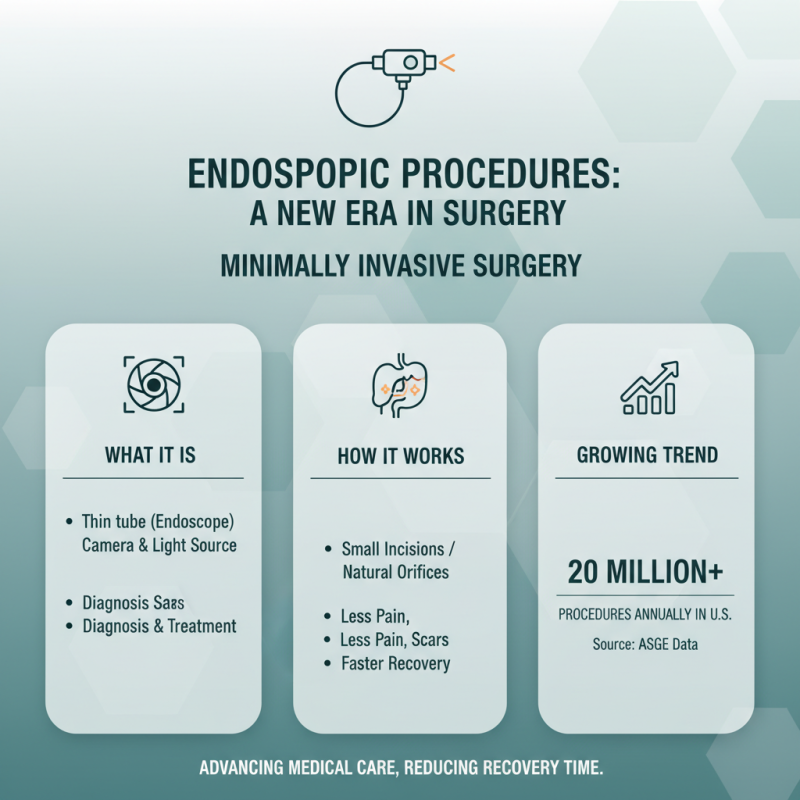
Endoscopic procedures represent a significant advancement in surgical techniques. These minimally invasive surgeries use a thin tube with a camera, known as an endoscope, to diagnose and treat medical conditions. Data from the American Society for Gastrointestinal Endoscopy indicates that about 20 million endoscopic procedures are performed annually in the United States alone. This figure highlights a growing trend towards non-invasive techniques.
One major benefit of endoscopic procedures is reduced recovery time. Patients often leave the hospital within hours. Traditional surgeries can require days or weeks of recovery. The risk of complications is also lower with endoscopic techniques. According to a 2022 study published in the Journal of Minimally Invasive Surgery, complication rates for endoscopic procedures are less than 2%. However, not all patients are suitable candidates. Some may require more invasive techniques due to specific health conditions.
While endoscopic procedures offer multiple benefits, challenges remain. Technical difficulties can arise during complex cases. There are instances of unsuccessful attempts leading to conversion into traditional surgery. Hence, selecting appropriate patients and having skilled professionals is crucial. Continuous training and improvement in techniques are needed to optimize outcomes.