Choosing the right surgical option can be overwhelming. Robotic surgery procedures are increasingly popular. They offer precision and less recovery time. However, it's essential to understand their benefits and limitations.
Many patients are unsure about which robotic surgery procedures suit their needs. Factors like the type of condition, surgeon experience, and hospital facilities play crucial roles. Consulting with a specialist can provide valuable insights tailored to individual situations.
It's also essential to reflect on potential challenges. Not all procedures may be available in every hospital. Patients should research and ask questions. Understanding the limitations can lead to better-informed decisions. Ultimately, the right procedure should align with the patient's health goals and lifestyle.

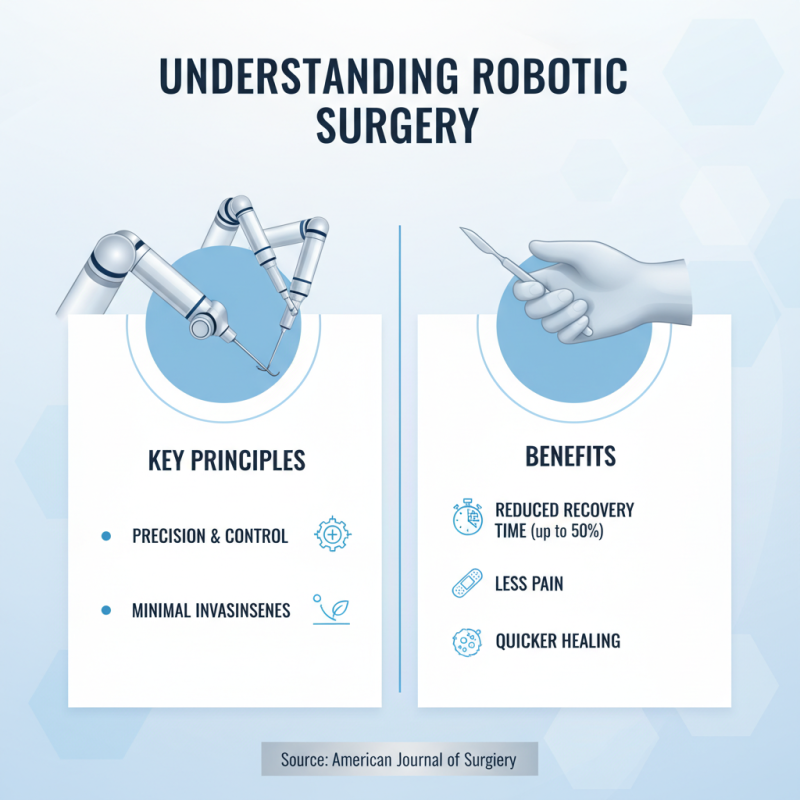
Robotic surgery has revolutionized the medical field, offering precision and control. According to the American Journal of Surgery, robotic-assisted procedures can reduce recovery time by up to 50%. This technology enhances a surgeon's ability to perform complex operations with minimal invasiveness. Smaller incisions mean less pain and quicker healing, reflecting significant benefits for patients.
Understanding the key principles behind robotic surgery is essential. High-definition 3D visualization allows surgeons to see their work in incredible detail. This clarity is crucial in delicate areas, such as urological or gynecological surgeries. Reports show that patient satisfaction rates are notably higher with robotic procedures, with nearly 90% of patients expressing positive experiences. However, not every candidate is suitable for robotic surgery. Consider the complexity of individual cases carefully.
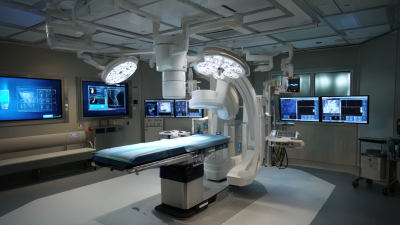
While this technology offers many advantages, it's not without challenges. Surgeons must undergo extensive training. The learning curve can affect outcomes initially. Furthermore, robotic systems involve considerable costs, which may impact accessibility. Understanding these factors is vital when considering robotic surgery as an option.
Robotic surgery procedures have changed the landscape of modern medicine. These minimally invasive techniques allow for greater precision and reduced recovery time. Various types of robotic surgeries are available today, catering to different medical needs.
One popular option is robotic-assisted laparoscopic surgery. This technique is effective for procedures such as prostatectomies and hysterectomies. According to a report from the American Urological Association, patients undergoing robotic prostatectomies experience 50% less blood loss compared to traditional surgery. This method is gaining attention for its ability to minimize scarring and enhance postoperative recovery.
Another notable type is robotic cardiac surgery. This complex field is rapidly advancing, showcasing procedures like robotic mitral valve repair. Research indicates that these minimally invasive techniques can reduce hospital stays by 40%. However, not every center has the necessary robotic systems or trained staff, making access uneven.
Robotic surgery can offer countless benefits, but it also presents challenges. Not all patients are candidates for these procedures. Factors such as body mass index and specific health conditions can complicate options. This variability raises questions on the optimal selection of robotic procedures. The decision should always involve thorough discussions between patients and their healthcare teams.
| Procedure Type | Common Applications | Benefits | Considerations |
|---|---|---|---|
| Robotic Prostatectomy | Prostate cancer removal | Minimally invasive, reduced recovery time | May not be suitable for all patients |
| Robotic Hysterectomy | Uterus removal due to fibroids or cancer | Less pain and faster recovery | Complexity of procedure |
| Robotic Mitral Valve Repair | Heart valve repair | Minimized scarring and shorter hospital stay | Requires specialized expertise |
| Robotic Bariatric Surgery | Weight loss surgeries | Precision and reduced complication rates | Requires long-term lifestyle changes |
| Robotic Thyroid Surgery | Thyroid gland procedures | No visible neck scar | Limited availability of skilled surgeons |
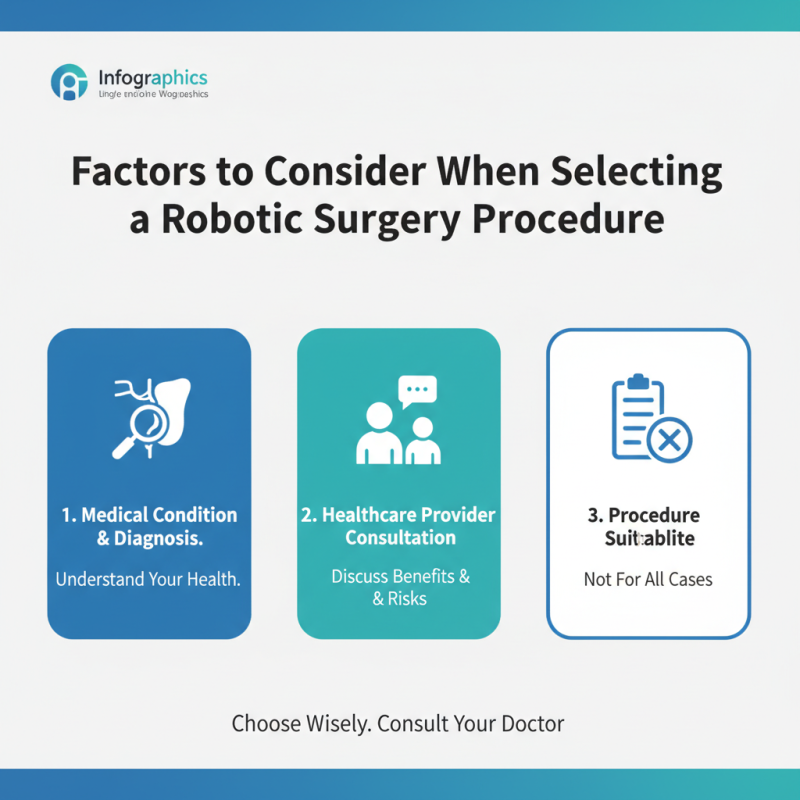
Choosing the right robotic surgery procedure involves careful consideration of several factors. It's crucial to understand your specific medical condition and its treatment options. Discuss your diagnosis with your healthcare provider. They can explain how robotic surgery may benefit you. Not all cases are suitable for robotic procedures.
Patient experience varies; some report shorter recovery times, while others experience different outcomes. Talk to others who have undergone similar surgeries. Their insights can guide your expectations. Don't overlook the importance of the surgeon's expertise. Robotic surgery requires specialized training and skill. Ensure your surgeon is well-versed in the procedure you need.
Tips: Ask about the technology used during surgery. Inquire about any potential risks involved. Consider the facility's accreditation for robotic surgery. Before the procedure, raise any concerns with your healthcare provider. This helps build a trusting relationship and can lead to better outcomes. Ultimately, the decision should align with your health goals and comfort level.
When considering robotic surgery, evaluating your surgeon’s experience is critical. Research shows that surgical outcomes significantly improve with increased surgeon experience. A 2021 study published in the Journal of Robotic Surgery notes that hospitals with more than 100 robotic procedures annually report a 30% drop in complication rates. These numbers are compelling and highlight the importance of expertise.
Look for surgeons who have specialized training in robotic techniques. An experienced surgeon performs a higher number of specific procedures, leading to better patient outcomes. For example, a surgeon who has performed over 200 robotic prostatectomies boasts a 90% satisfaction rate among patients. Engaging with your potential surgeon about their case volume can reveal much about their familiarity with the robotic systems used.
Consider patient outcomes beyond just surgical numbers. Ask about previous surgeries to grasp their skills. Patient testimonials can provide insight into their experience. Patient education is vital; knowledgeable surgeons will take time to address your concerns. However, some may rush through questions, reflecting a gap in patient engagement. This can be a red flag. A balance of technical proficiency and effective communication is essential for a positive surgical journey.
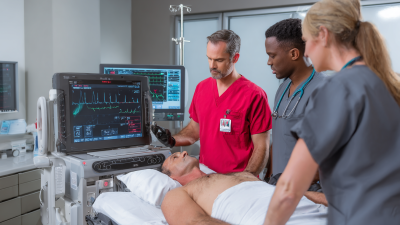
Preparing for robotic surgery can feel overwhelming. It is essential to understand what to expect on the day of the procedure. Generally, you will check in at the hospital and complete necessary paperwork. The medical staff will review your medical history and any medications you are taking. It’s important to share any allergies or concerns. This interaction builds trust between you and the healthcare team.
Before the surgery, you may need to follow specific dietary guidelines. These can include fasting for a set number of hours. Also, you might receive instructions about medications. This preparation ensures the procedure goes smoothly. It's vital to ask questions during this time. Don't hesitate to clarify anything unclear. Knowledge can ease anxiety.
Additionally, you should consider your emotional state. Surgery, even minimally invasive, can be daunting. It’s normal to feel fear or doubt. Connecting with friends or family for support can help. Reflect on your reasons for choosing robotic surgery. This can strengthen your motivation and resolve. Preparing mentally is just as important as physical readiness.