How to Choose the Best Surgical Robots for Your Hospital Needs
When it comes to enhancing surgical precision and improving patient outcomes, the integration of surgical robots into healthcare facilities plays a pivotal role. Hospitals are increasingly recognizing the benefits these advanced technologies offer, including minimally invasive procedures that can lead to quicker recovery times and reduced patient discomfort. However, with a growing number of options available in the market, choosing the best surgical robots to meet specific hospital needs can be a daunting task.
This decision-making process requires careful consideration of various factors such as the types of surgeries performed, the expertise of the surgical team, and the overall financial implications. It is crucial for hospital administrators and surgical teams to collaborate closely to assess their unique requirements and evaluate which robotic systems can effectively enhance their surgical capabilities. By understanding the technological advancements and the operational efficiencies that surgical robots can bring, hospitals can make informed decisions that not only benefit their practitioners but also significantly improve the level of care provided to patients.

Understanding the Different Types of Surgical Robots Available Today
When considering the best surgical robots for a hospital, it’s essential to understand the diverse types of robotic systems currently available. The primary categories include robotic surgical systems, which assist surgeons with precision during minimally invasive procedures, and teleoperated robots that allow surgeons to control instruments from a distance. Each type of robot offers distinct advantages, such as enhanced dexterity and improved visualization, which can lead to better patient outcomes.
In addition to these primary categories, hospitals might also explore specialized robots tailored for specific procedures, such as orthopedics or urology. These specialized systems often come with unique features designed to accommodate the nuances of particular surgical operations. Understanding the functionalities and capabilities of each robotic system enables healthcare providers to match their hospital's needs with the right technology, ensuring optimal efficiency and patient care. As the field of robotic surgery evolves, staying informed about the latest advancements is crucial for making the most informed decisions in choosing surgical robots.
Evaluating the Specific Surgical Procedures Your Hospital Requires
When selecting the best surgical robots for your hospital, the first crucial step is to evaluate the specific surgical procedures your institution requires. Different surgical robots are designed for varied specialties, such as general surgery, urology, or orthopedics. Understanding the volume and types of surgeries you perform can help narrow down your options. For instance, if your hospital specializes in minimally invasive procedures, focusing on robots that excel in dexterity and precision is essential.
Tips for evaluation include consulting with surgical teams to identify the most common and critical procedures performed. Engaging with surgeons regarding their experiences and needs can provide insights into the functionalities that are most beneficial. Additionally, analyzing patient outcomes and feedback about these procedures can guide your decision-making process.
Another key factor to consider is the ease of integration with existing systems in your hospital. This includes ensuring compatibility with current technologies and training requirements for surgical staff. Facilitating a smooth transition will be critical to the success of any new robotic system. Collecting feedback on user-friendliness from surgical teams who will operate the robots can further refine your selection process.
Assessing Budget Considerations for Surgical Robot Procurement
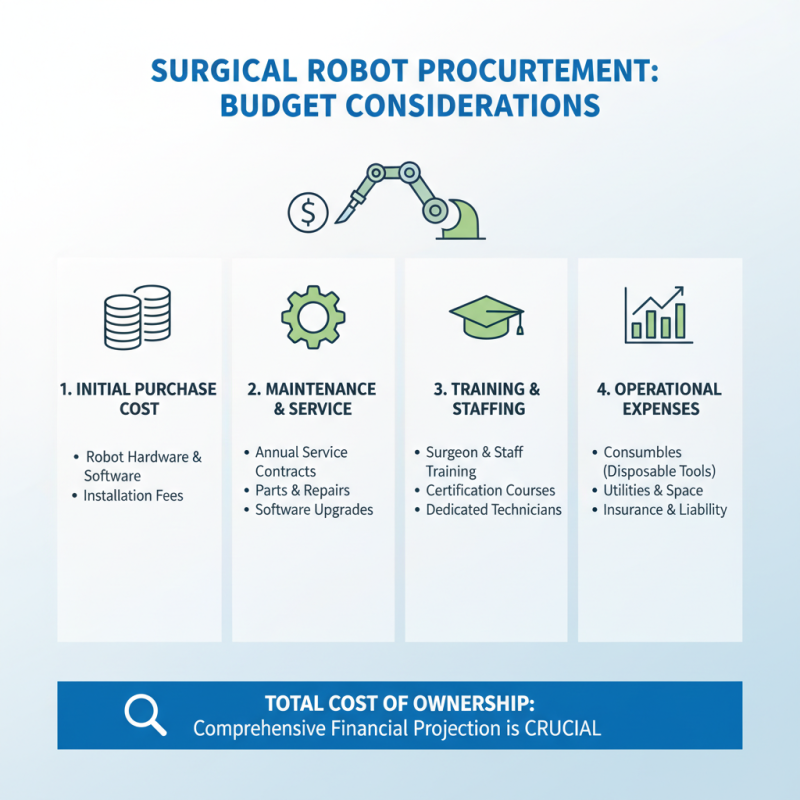
When considering the procurement of surgical robots for your hospital, budget is a critical factor that requires thorough assessment. Evaluating initial purchase costs is essential, but hospitals should also account for maintenance, training, and ongoing operational expenses over time. Creating a comprehensive financial projection can help hospital administrators understand the total cost of ownership and avoid unexpected financial burdens in the future.
Tips: Establish a dedicated budget committee that includes members from financial, surgical, and administrative departments. This multi-disciplinary approach ensures that all perspectives are considered in the budgeting process, leading to more informed decisions.
Additionally, hospitals must explore potential funding opportunities, such as grants or partnerships with academic institutions. These avenues can provide essential financial support that alleviates some of the strain on budget while still allowing the facility to invest in necessary technology.
Tips: Look into collaborative purchasing agreements with other local hospitals or health systems to leverage bulk purchasing discounts. This can significantly reduce costs while enhancing the community's overall healthcare capabilities.
Analyzing Training and Support Options for Staff with New Technologies
When selecting surgical robots for a hospital, one of the critical elements to consider is the training and support provided for staff. The integration of new surgical technologies can be daunting, and ensuring that the surgical team is well-prepared is essential for successful outcomes.
Training programs should not only cover the technical operation of the robotic systems but also include simulations and hands-on practice. Hospitals should prioritize platforms that offer comprehensive training modules tailored to different skill levels, enabling both novice and experienced staff to gain confidence in utilizing the technology effectively.
Moreover, ongoing support and resources are vital in maintaining proficiency as robotic technology evolves. Hospitals should seek out vendors that provide continuous education opportunities, access to updated training materials, and a reliable support team for troubleshooting.
A robust network for peer consultations and case discussions can also enhance learning and foster a collaborative environment. Ensuring that staff feels supported during the transition to robotic-assisted surgeries can significantly impact their adoption of the technology and, ultimately, patient safety and care quality in the operating room.
Investigating Maintenance and Upkeep Needs for Surgical Robots
When selecting surgical robots for your hospital, it's crucial to not only consider their advanced capabilities but also the maintenance and upkeep they require. Regular maintenance is essential to ensuring the robots operate at peak performance, which directly impacts patient outcomes. Overlooking maintenance can lead to unexpected downtimes, costly repairs, and can affect the overall surgical workflow.
One important tip is to establish a comprehensive maintenance schedule. This schedule should include regular inspections, software updates, and cleaning protocols. Collaborate with your technical team to identify critical maintenance intervals and create a log to track these activities. This practice will help in identifying potential issues before they escalate, saving time and resources in the long run.
Additionally, training staff not only on how to use the surgical robots but also on routine maintenance can significantly enhance operational efficiency. Make sure your personnel are familiar with the maintenance requirements and best practices to keep the equipment in optimal condition. Educating the staff reduces reliance on external service providers and cultivates a sense of ownership over the technology that can ultimately lead to better care for patients.
How to Choose the Best Surgical Robots for Your Hospital Needs - Investigating Maintenance and Upkeep Needs for Surgical Robots
| Robot Model |
Maintenance Frequency |
Average Maintenance Cost (Annual) |
Downtime per Year |
Key Features |
| Model A |
Every 6 months |
$25,000 |
10 hours |
Multi-surgical capability, AI assist |
| Model B |
Annually |
$30,000 |
8 hours |
Enhanced precision, modular design |
| Model C |
Every 3 months |
$20,000 |
5 hours |
User-friendly interface, real-time monitoring |
| Model D |
Semi-annually |
$35,000 |
12 hours |
Versatile application, intuitive controls |