10 Best Robotic Surgical Systems Revolutionizing Modern Surgery
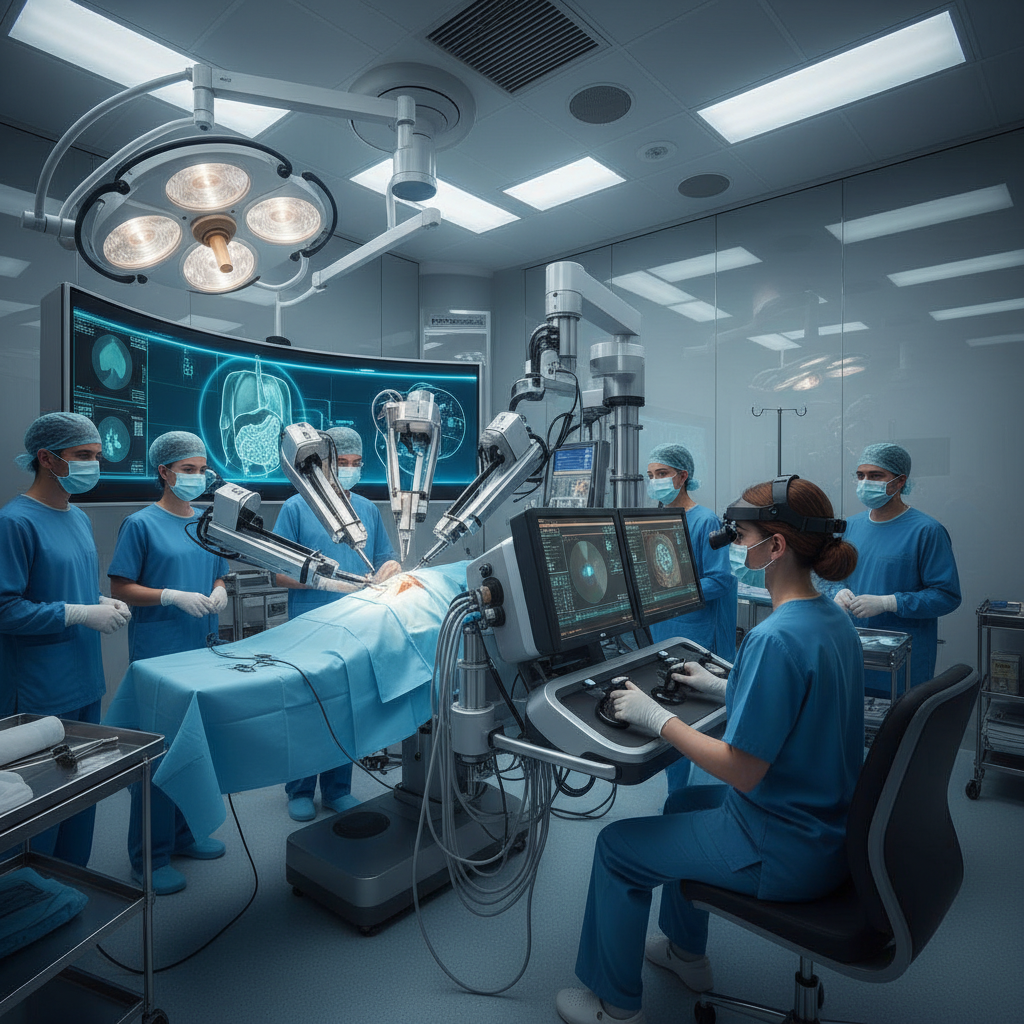
In recent years, the field of surgery has undergone a remarkable transformation, largely propelled by advancements in technology. One of the most significant developments is the advent of robotic surgical systems, which have redefined the parameters of precision, efficiency, and patient safety in the operating room. These innovative systems utilize cutting-edge robotics and advanced imaging techniques to assist surgeons in performing complex procedures with unparalleled accuracy, minimizing traditional surgical risks and enhancing recovery times for patients.
As we explore the top robotic surgical systems revolutionizing modern surgery, it becomes clear how these tools are not just enhancements of conventional techniques but rather game-changers in surgical practice. The integration of robotic assistance allows for minimally invasive approaches, which can lead to better outcomes, less postoperative pain, and quicker return to normal activities for patients. From urology to orthopedics, these robotic systems are setting new standards and challenging surgeons to expand their capabilities.
In this article, we will delve into the 10 best robotic surgical systems currently transforming the medical landscape. By highlighting their unique features, surgical applications, and potential future developments, we aim to provide insight into how these systems are shaping the future of surgical procedures and improving the overall quality of care. The growing reliance on robotic surgical systems signifies a pivotal shift in surgical methodologies, promising a new era of precision medicine.
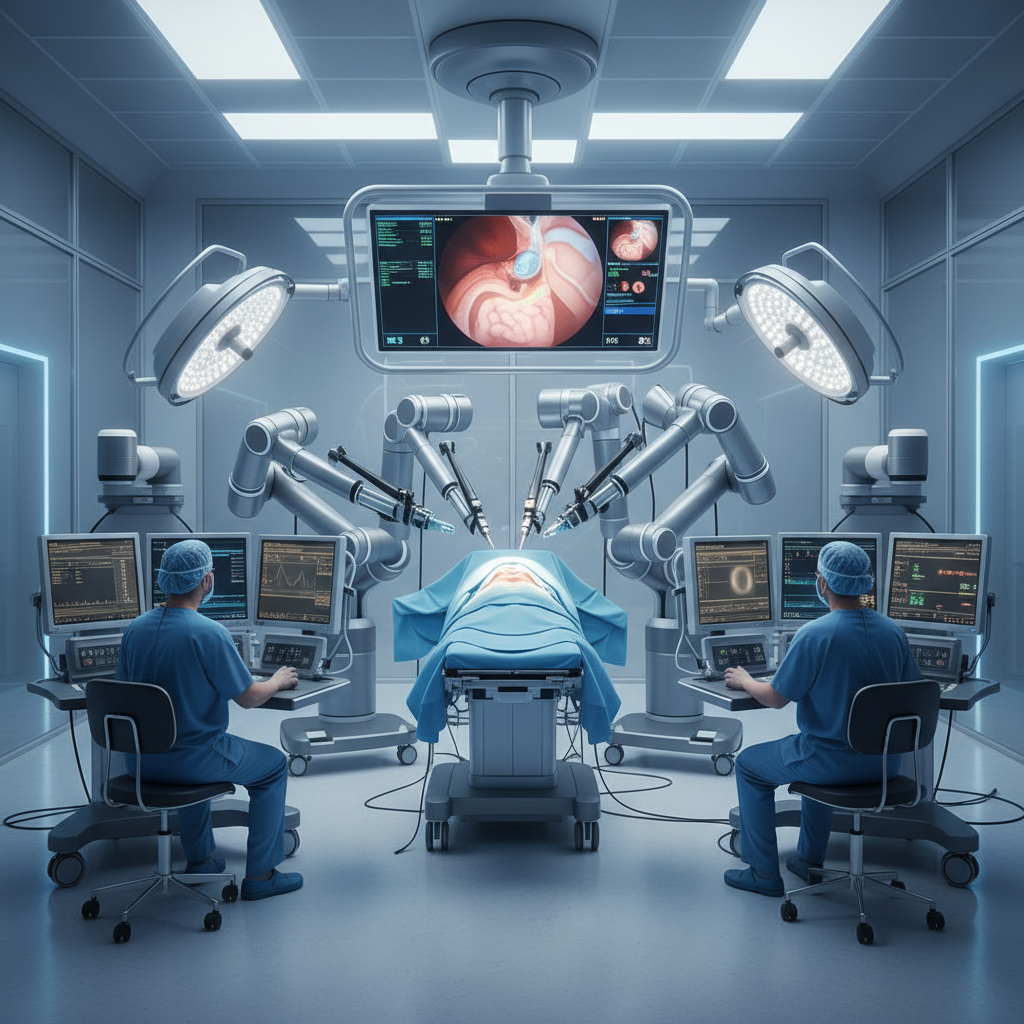
Advancements in Robotic Surgery: A New Era of Precision and Efficiency
The advancements in robotic surgery represent a significant leap into a new era of precision and efficiency. According to a report by the Intuitive Surgical, robotic-assisted procedures have seen a remarkable increase, with over 1.6 million robotic surgeries performed worldwide in 2020 alone. This technology not only enhances surgical outcomes but also reduces recovery times, benefitting both patients and healthcare providers. For instance, studies have shown that patients undergoing robotic surgery experience up to 50% less blood loss and a 30% reduction in hospital stays compared to traditional methods.
Moreover, the integration of artificial intelligence and machine learning into robotic systems continues to refine surgical practices. A recent analysis by MarketsandMarkets predicts that the robotic surgery market will reach $20 billion by 2026, driven by innovations that increase the versatility of these systems across various specialties such as orthopedics, cardiology, and urology.
Tips: When considering robotic surgery options, it's crucial to consult with experienced professionals who are proficient in using these advanced systems. Furthermore, patients should inquire about the specific robotic technologies employed and the corresponding success rates for their particular procedures to make informed choices about their healthcare.
10 Best Robotic Surgical Systems Revolutionizing Modern Surgery
| System Type |
Key Features |
Applications |
Precision Level |
Adoption Year |
| Surgical Robot A |
Enhanced 3D visualization, wristed instruments |
Urology, Gynecology |
High |
2000 |
| Surgical Robot B |
Lightweight design, easy maneuverability |
Cardiothoracic, General Surgery |
Medium |
2010 |
| Surgical Robot C |
Real-time imaging, integrated systems |
Oncology, Neurosurgery |
Very High |
2015 |
| Surgical Robot D |
Versatile tool attachments, AI assistance |
Orthopedics, Rehabilitation |
High |
2018 |
| Surgical Robot E |
Autonomous navigation, advanced haptics |
ENT, Spine Surgery |
Very High |
2021 |
| Surgical Robot F |
Modular design, easy upgrades |
Pediatric, Cosmetic Surgery |
Medium |
2023 |
Top Robotic Surgical Systems Transforming Various Medical Disciplines
Robotic surgical systems are transforming various medical disciplines, enhancing precision and outcomes across a spectrum of procedures. According to a report from MarketsandMarkets, the global robotic surgery market was valued at approximately $4.6 billion in 2022 and is projected to reach $10.4 billion by 2027, growing at a CAGR of 18.1%. This growth highlights an increasing acceptance of robotic-assisted surgeries among healthcare professionals, as well as the expanding range of applications, from urology to orthopedics and cardiology.
Key players, such as Intuitive Surgical with their da Vinci system, offer unparalleled benefits like enhanced visualization and reduced recovery times. Studies show that robotic-assisted procedures can decrease post-operative complications by up to 20%. Similarly, systems like the Medtronic Hugo™ and the Stryker Mako™ are revolutionizing orthopedic surgeries, providing real-time data and improved surgical accuracy. As these technologies advance, they not only support surgeons but also elevate patient safety and satisfaction, making robotic surgical systems a crucial component in the future of modern medicine.
Comparative Analysis: Robotic Surgery vs. Traditional Techniques
Robotic surgery has emerged as a transformative approach in modern medicine, offering a range of advantages over traditional surgical techniques. One of the most significant differences lies in precision. Robotic systems are equipped with advanced imaging and instrumentation that enable surgeons to perform intricate procedures with greater accuracy. This not only minimizes damage to surrounding tissues but also reduces recovery times, as patients experience less trauma compared to conventional open surgery methods.
Additionally, robotic surgery enhances the overall surgical experience for both patients and surgeons. Surgeons benefit from a 3D high-definition view and increased maneuverability, allowing for complex movements that are often impossible with traditional laparoscopy. For patients, the minimally invasive nature of robotic surgery translates to less postoperative pain, shorter hospital stays, and quicker return to regular activities. This evolution in surgical technology highlights a significant shift towards more patient-centered care, where improved outcomes and satisfaction take precedence over the lengthy recovery trajectories commonly associated with older surgical practices.
Key Features and Technologies of Leading Robotic Surgical Systems
Robotic surgical systems have transformed the landscape of modern surgery, incorporating advanced technologies that enhance precision, reduce recovery times, and improve patient outcomes. Leading systems such as the da Vinci Surgical System utilize high-definition 3D visualization and articulated robotic arms, allowing surgeons to perform complex procedures with unparalleled accuracy. According to a report by MarketsandMarkets, the global robotic surgical systems market is expected to reach $10.28 billion by 2025, highlighting the growing adoption of these innovative tools in operating rooms worldwide.
Another key feature of current robotic surgical systems is the integration of artificial intelligence (AI) and machine learning algorithms. These technologies enable real-time data analysis, assisting surgeons in decision-making processes during operations. A study published in the Journal of Robotic Surgery indicates that surgeries assisted by robotic systems have a 20-30% reduction in complication rates compared to traditional approaches. As systems continue to evolve with advanced imaging techniques and haptic feedback, the potential for further advancements in surgical precision and safety is substantial, solidifying the role of robotics in future surgical environments.
Future Trends: The Evolution of Robotics in Surgical Practices
The evolution of robotics in surgical practices is poised to redefine modern healthcare, driven by the rapid advancements in artificial intelligence and robotic technology. Recent forums and conferences have brought together experts to explore how these cutting-edge advancements can be integrated into clinical practices, fostering innovation in diagnosis, treatment, and health management. The ongoing discussions highlight the necessity of merging technological capabilities with medical expertise to enhance surgical outcomes and efficiency.
The future of surgical robotics appears promising, with a notable emphasis on precision and remote surgical capabilities. Notably, advancements in surgical robots are enabling unprecedented accuracy in procedures, addressing the high demands for stability in fields such as ophthalmology. As the market for robotic-assisted surgeries continues to grow, the integration of AI and robotics will likely facilitate the development of next-generation surgical systems, ultimately aiming to surpass human proficiency in intricate surgical tasks. These trends not only signify a shift in surgical methodologies but also reflect the broader potential of robotics to transform the medical landscape into a more capable and efficient system.