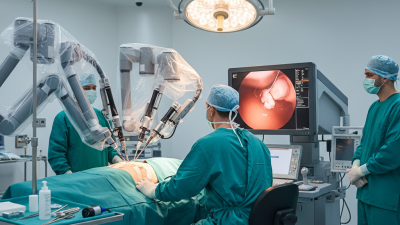
Robotic surgery procedures have revolutionized the field of medicine. These advanced techniques enhance precision and improve patient outcomes. Surgeons can perform complex operations with remarkable accuracy. The minimally invasive nature of these procedures reduces recovery times significantly.
Each year, more medical institutions adopt robotic surgery systems. The growing popularity reflects their potential benefits. However, not all procedures are perfect. Some surgeries may still pose risks and complications. Surgeons must weigh these factors carefully before selecting robotic methods.
Emerging technologies continue to shape the landscape of surgical practices. While robotic surgery procedures offer exciting advancements, there is room for improvement. Ongoing training and adaptation are vital for surgical teams. Balancing innovation with caution remains essential in this evolving field.

Robotic surgery has revolutionized modern medicine, providing patients with less invasive options. Surgical robots now assist in various procedures, enhancing precision and control. According to a report by Allied Market Research, the global robotic surgery market is projected to reach $24.5 billion by 2026, growing at a compound annual growth rate (CAGR) of 22.5%. This growth indicates a broader acceptance of robotic systems in healthcare.
Despite advancements, challenges remain. The steep learning curve for surgeons can hinder widespread adoption. Some studies indicate complication rates are comparable to traditional methods, raising concerns about safe implementation. For instance, a recent analysis suggested a 5-10% chance of complications during robotic-assisted surgeries. While robotic systems improve surgical outcomes, they are not without risks.
Patient outcomes are generally favorable. Robotic surgery offers smaller incisions, reduced blood loss, and faster recovery times. A systematic review published in the Journal of Robotic Surgery noted that about 95% of patients experienced less pain post-operation. However, not all procedures benefit equally. Surgeons must critically assess when to use robotic systems, ensuring the best care is provided.
This chart illustrates the most commonly performed robotic surgery procedures and their respective growth in adoption within healthcare institutions over the past five years. The data shows how robotic surgery is revolutionizing patient care and surgical outcomes.
Robotic surgery is revolutionizing modern medicine. Its key advantages are attracting attention in various medical fields. Precision is a primary benefit. Surgeons can perform intricate tasks with enhanced accuracy. Data from the American College of Surgeons indicates that robotic-assisted procedures lead to less blood loss and fewer complications.
Recovery times are another significant factor. Patients experience shorter hospital stays. A review in the Journal of Robotic Surgery found that many patients return home 24 hours after the operation. This swift recovery highlights a growing trend in outpatient procedures. Still, some drawbacks exist. Not all procedures translate well to robotic techniques, and learning curves can affect outcomes.
Cost is also a concern. While robotic systems enhance capabilities, they come with high maintenance fees. Smaller hospitals may struggle to justify the investment. According to the Society of American Gastrointestinal and Endoscopic Surgeons, cost discrepancies can impact the availability of these technologies. Balancing these factors remains crucial for the future of robotic surgery.
Robotic surgery is revolutionizing how procedures are performed in modern medicine. Surgeons now utilize advanced robotic systems for greater precision and control. This innovation enhances outcomes in various procedures, reducing patient recovery times significantly. According to a recent study, robotic-assisted surgeries can lead to a 30% reduction in hospital stays and a 20% decrease in postoperative complications.
One notable technique is robotic-assisted prostatectomy. Data shows that this method allows for more precise tumor removal while preserving surrounding tissues. Studies report a lower risk of erectile dysfunction compared to traditional methods. However, the high cost of robotic systems remains a concern. Not all hospitals can afford these technologies, which can limit access for some patients.
Gynecological surgeries have also greatly benefited. Robotic assistance allows for minimally invasive procedures, leading to reduced scarring and faster recovery. Yet, the learning curve for surgeons is steep. Not all practitioners may achieve the same level of proficiency. Continuous training and practice are vital, and not every facility offers such comprehensive programs. In the fast-evolving landscape of robotic surgery, challenges remain alongside the remarkable advancements.
| Procedure | Description | Benefits | Typical Use Cases |
|---|---|---|---|
| Robotic Prostatectomy | Minimally invasive surgery to remove the prostate gland. | Reduced blood loss, shorter recovery time, less pain. | Prostate cancer treatment. |
| Robotic Hysterectomy | Surgical removal of the uterus using robotic assistance. | Minimal scarring, quicker recovery, outpatient procedure. | Uterine fibroids, endometriosis, and cancers. |
| Robotic Cardiac Surgery | Minimally invasive heart surgery using robotic technology. | Less pain, shorter hospital stays, and quicker return to normal activities. | Heart bypass, valve repair, and atrial fibrillation treatments. |
| Robotic Bariatric Surgery | Surgical weight loss procedures facilitated by robotic systems. | Faster recovery, smaller incisions, and improved precision. | Obesity and related health issues. |
| Robotic Colorectal Surgery | Surgical procedures for treating colon and rectal diseases. | Reduced pain and scarring, quicker recovery times. | Colorectal cancer and inflammatory bowel disease. |
| Robotic Thoracic Surgery | Minimally invasive surgery on the lungs and chest. | Less postoperative pain and shorter recovery times. | Lung cancer and other thoracic conditions. |
| Robotic Kidney Surgery | Surgery for kidney removal or treatment using robotic systems. | Less blood loss, minimal scarring, quicker recovery. | Kidney cancer and other renal diseases. |
| Robotic Otoplasty | Cosmetic surgery to reshape the ears using robotic assistance. | Minimized scar formation and precise positioning. | Prominent ear correction. |
| Robotic Musculoskeletal Surgery | Surgical interventions on bones and joints aided by robotics. | Improved surgical precision and shorter recovery times. | Joint replacements and corrective surgeries. |
Robotic surgery is changing the landscape of modern medicine. Many patients report faster recovery times after these procedures. For instance, minimally invasive techniques allow surgeons to make smaller incisions. This often leads to less pain and quicker healing. Still, not every procedure is perfect. Some patients experience complications, such as bleeding or infections. These risks remain an essential factor in decision-making.
Patient outcomes are generally positive. Studies show that robotic surgeries can reduce hospital stays. Patients often return to their daily lives sooner. However, some surgeries require extensive training for the surgeons. Their skill can significantly influence the outcomes. This highlights the ongoing need for education and practice in the field. Not all robotic surgeries yield the same results. Each patient's unique situation must be considered before moving forward.
Furthermore, it's important to address the technology itself. While advancements are impressive, they are not foolproof. There are ongoing debates about long-term effectiveness. Patients deserve honest assessments of these procedures. Transparency about potential downsides can help make informed choices. Overall, while robotic surgery is a breakthrough, it requires careful consideration from both patients and medical professionals.
Robotic surgery is evolving rapidly, transforming how we approach medical procedures. Surgeons now use advanced systems that enhance precision and reduce recovery time. These technologies improve outcomes, but they also come with challenges. The learning curve for surgeons can be steep. Not every practitioner adapts quickly to the complex machinery.
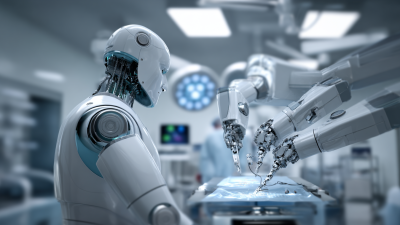
Future trends in robotic surgery suggest even greater integration with artificial intelligence. Imagine machines that learn from each operation, refining techniques over time. This could significantly lower error rates. However, reliance on technology raises questions. Can we trust machines to make critical decisions?
Another exciting development is minimally invasive procedures. Smaller incisions mean less pain for patients. However, these techniques can be difficult for surgeons accustomed to traditional methods. There are concerns about the balance between innovation and patient safety. Continuous training is essential to keep up with emerging technologies. This balance could define the future of surgical practices.