2026 Top Red Light Therapy Spa How to Choose?
Choosing the 2026 Top Red Light Therapy Spa requires more than comparing bright rooms and attractive membership prices. The Global Wellness Institute reported that the global wellness economy reached $6.3 trillion in 2023, with continued growth projected through 2028. This expansion has encouraged spas, clinics, and beauty businesses to add light-based services. Growth alone does not prove quality. Ask what wavelengths the spa uses, how treatments are timed, and whether staff record your skin concerns, medications, and treatment history.
Details matter. A credible Red Light Therapy Spa should explain irradiance, treatment distance, eye protection, cleaning procedures, and expected results. The U.S. Food and Drug Administration distinguishes device clearance from proof that every marketing claim is effective. That distinction is easy to miss. Peer-reviewed dermatology research suggests red and near-infrared light may support selected skin and pain-related goals, but outcomes vary by device, dose, condition, and individual response. A 2024 systematic review in the Journal of Clinical Medicine also emphasized inconsistent protocols across photobiomodulation studies, limiting direct comparisons.
Look for trained personnel, transparent equipment information, realistic consultations, and documented aftercare. A professional should not promise permanent results after one session. They should mention possible sensitivity, contraindications, and when medical advice is necessary. Consider the physical experience too: clean goggles, a comfortable treatment bed, visible timer controls, and staff who answer specific questions. I would also check independent reviews, but reviews can be incomplete. The best choice balances evidence, safety, hygiene, staff competence, and honest communication—not the strongest-looking red glow.
What Is a Red Light Therapy Spa?
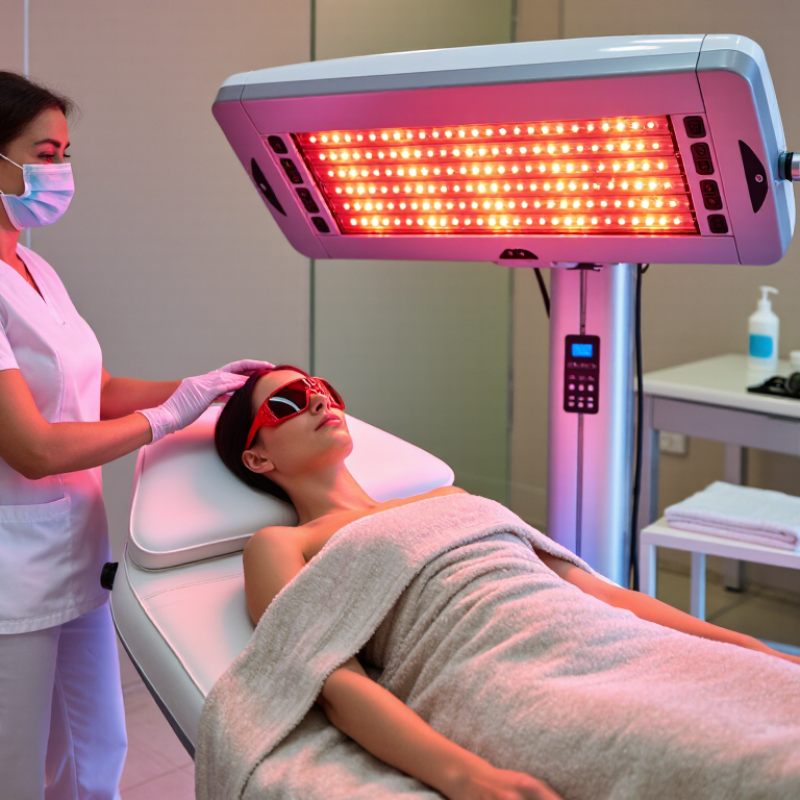
A red light therapy spa is a wellness facility using low-intensity red or near-infrared light on the skin. Unlike tanning beds, these devices do not use ultraviolet radiation. Sessions usually involve lying beneath a panel, wearing eye protection, and remaining still for 10 to 20 minutes. The light may support cellular energy production, but results vary by wavelength, dose, skin condition, and consistency.
The Global Wellness Institute reported that the worldwide wellness economy reached $6.3 trillion in 2023. That growth explains the rising number of light-based studios, but popularity is not proof of effectiveness. A credible spa should explain irradiance, wavelength ranges, session timing, device maintenance, and cleaning procedures. Staff should ask about photosensitizing medicines, recent procedures, eye conditions, and pregnancy-related concerns. Medical advice may be necessary.
Look for measured equipment, not bright panels alone. Ask whether treatment records show distance, exposure time, and cumulative sessions. Professional reviews generally describe possible benefits for selected skin and pain-related uses, while evidence remains uneven. Be cautious with promises about weight loss, disease treatment, or permanent rejuvenation. Some claims sound polished but remain poorly supported. I would also question facilities that hide safety documents or pressure clients into expensive packages. A consultation should feel clinical, specific, and unhurried.
What Benefits Can Red Light Therapy Spas Provide?
Red light therapy spas may support several wellness goals when sessions are delivered consistently. Red and near-infrared light can reach the skin and may encourage cellular activity. Some clients report smoother-looking skin, reduced redness, and a fresher appearance. Research also suggests possible support for mild muscle soreness and recovery. Results vary widely, though. They are not guaranteed.
A reliable spa should explain its equipment, light wavelengths, session length, and cleaning procedures. Ask whether staff receive professional training. During a session, you might sit beneath a warm panel for 10 to 20 minutes. The light should feel comfortable, not painfully hot. Eye protection may be recommended, especially with bright devices. People using light-sensitive medication or managing a medical condition should ask a qualified healthcare professional first. A consultation matters.
Tips: Compare written treatment details, not dramatic promises. Take a clear photo before starting, using the same room and lighting later. This makes small changes easier to judge. Keep expectations realistic. A glowing result after one visit may be temporary or simply caused by better hydration. I would also question spas that claim to treat serious diseases. That sounds impressive, but it is not dependable evidence. Choose a clean facility with transparent policies, honest limitations, and staff willing to answer difficult questions.
How to Compare Treatment Plans, Prices, and Staff Expertise?
2026 Top Red Light Therapy Spa: How to Choose?
Choosing a red light therapy spa requires more than comparing the cheapest session. Ask for a written treatment plan. It should show session length, recommended frequency, target areas, and follow-up timing. A reliable provider will explain the device’s light range and safety procedures in plain language. They should also screen for photosensitivity, medications, and relevant health conditions before treatment.
Compare prices carefully. A low session fee may exclude consultation, protective eyewear, or aftercare guidance. Check whether packages have expiration dates or cancellation charges. Ask what happens if results are limited. Promises of dramatic changes deserve caution. The best plan may not be the longest one. Skin response varies, and improvement can be subtle.
Tips: Observe the treatment room. It should be clean, private, and well maintained. Ask who performs the assessment and what training they have completed. Staff should answer questions without pressure. Request realistic progress measures, such as consistent photographs under similar lighting. Keep your expectations flexible. I would also compare two or three spas, because my first price comparison once missed hidden fees. That small mistake changed the final cost.
How to Choose the Best Red Light Therapy Spa in 2026?
Choosing the Best Red Light Therapy Spa in 2026
A good red light therapy spa should explain its equipment clearly. Ask about the light wavelengths, irradiance, session length, and treatment distance. A professional should not hide these details behind vague promises. The staff should also discuss your goals, skin sensitivity, medications, and relevant health conditions before treatment. Eye protection should be available when appropriate. The room should feel clean, calm, and well maintained.
Look for trained personnel who can describe the therapy’s expected benefits and limits. Red light therapy may support skin appearance, comfort, or recovery, but results differ between individuals. Be cautious when a spa guarantees dramatic changes. Reliable providers record your sessions and adjust exposure carefully. A simple timer, visible cleaning routine, and clear consent process matter more than stylish furniture.
Notice the experience closely. Is the panel warm but comfortable? Can you ask questions without pressure? Does the staff inspect the device before use? I once assumed a longer session meant better results, but that was a weak assumption. More exposure is not automatically more effective. Ask how often maintenance checks occur and whether the spa can provide written aftercare guidance. A short consultation may reveal more than an impressive advertisement.
