Top 10 New Surgical Innovations Transforming Healthcare Today?

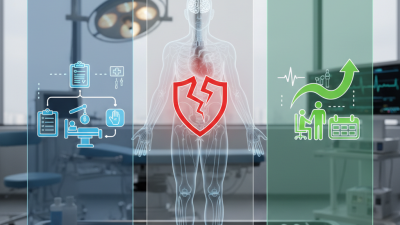
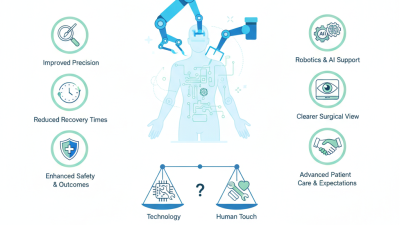
In recent years, the medical field has witnessed a significant shift due to new surgical innovations. These advancements are reshaping how surgeries are performed, enhancing patient outcomes, and streamlining healthcare processes. Surgeons now have access to tools that improve precision and reduce recovery times. Patients benefit from less invasive procedures and lower risks of complications.

New surgical technology also leads to more personalized treatments. Robotic assistance and AI integration play crucial roles in this modern era. However, the rapid pace of innovation comes with challenges. Not all hospitals can afford the latest equipment. Training medical staff to use these advanced tools effectively is essential but often overlooked.

As we delve into the top new surgical innovations, it is vital to acknowledge both their transformative potential and the hurdles that still exist. The healthcare community must adapt to these changes responsibly, ensuring that progress does not compromise quality or accessibility.
Top 10 New Surgical Innovations Transforming Healthcare Today?

Emergence of Robotic Surgery: Precision in Modern Operations

Robotic surgery is reshaping the landscape of modern healthcare. Surgeons are now able to perform complex operations with unparalleled precision. These systems enhance the surgeon’s capabilities, leading to smaller incisions and reduced recovery times for patients. Surgeons often mention that using robotic tools brings a new level of confidence to delicate procedures.

Despite these advancements, challenges remain. Training medical professionals to use these systems effectively is crucial. Some surgeons may feel a disconnect when relying on technology. The presence of robots in the operating room can draw mixed reactions from patients. Not everyone is comfortable knowing a machine is part of their surgical team.

Furthermore, the costs associated with robotic surgery can be limiting for some healthcare facilities. Not all hospitals can afford these advanced technologies. There are ongoing discussions about accessibility and the role of robotic systems, especially in under-resourced areas. As technology continues to evolve, it’s vital to consider both the benefits and the hurdles.

3D Printing in Prosthetics: Tailoring Solutions for Individual Patients

3D printing is revolutionizing prosthetics. It allows for customized solutions tailored to each patient's unique needs. Traditional prosthetics often come with limitations. They can be uncomfortable and may not fit well. With 3D printing, healthcare professionals create devices that match the individual’s anatomy perfectly.

The process is fascinating. Digital scans of the residual limb help design the prosthetic. This level of detail improves comfort and usability. Patients often report a better experience. They can perform daily activities with more confidence. However, challenges remain in materials used. Finding durable yet lightweight options is crucial.

Clinicians and engineers must collaborate closely. The fusion of expertise is essential for advancing this field. Feedback from users is vital too. It helps refine designs and materials. The journey toward perfecting prosthetics continues, with 3D printing leading the way. As innovations emerge, the goal remains clear: enhance the quality of life for each patient.

Telemedicine and Remote Surgery: Expanding Access to Care

Telemedicine and remote surgery have garnered significant attention in recent years. These innovations address geographical barriers, bringing healthcare to rural and underserved areas. Reports indicate that telemedicine usage surged by over 150% during the pandemic, highlighting its critical role in expanding access to care. Patients can now consult specialists from the comfort of their homes, reducing travel time and associated costs.

Remote surgery is also making headlines. Surgeons can operate on patients thousands of miles away using robotic systems and advanced imaging technologies. According to a study published in the Journal of Surgical Innovation, remote surgeries can improve patient outcomes and reduce recovery times. However, the technology is not without its flaws. Network connectivity issues can pose risks during critical procedures. Furthermore, the integration of such systems raises questions about patient data security.

Healthcare providers face challenges in ensuring equitable access to these services. Factors such as socioeconomic status and digital literacy can affect a patient's ability to benefit from telehealth. More research is needed to identify strategies that can bridge these gaps effectively. While telemedicine and remote surgery offer tremendous potential, addressing these concerns is essential for their successful implementation across diverse populations.

Minimally Invasive Techniques: Reducing Recovery Times and Costs

Minimally invasive techniques are revolutionizing healthcare today. These innovations reduce recovery times significantly, allowing patients to return to their normal lives faster. For instance, according to a report by the American College of Surgeons, minimally invasive surgeries can cut hospitalization time by up to 50%. This not only minimizes physical stress but also decreases healthcare costs, a vital consideration for many patients.

Tips for patients considering these procedures include discussing all options with healthcare providers. It's essential to understand the benefits and risks. Seek out hospitals and clinics that specialize in these techniques as they often have better outcomes. Remember, even with advanced methods, complications can arise, and not every patient is a suitable candidate.

Recent studies indicate that patients can experience a 30% reduction in post-operative pain with minimally invasive surgery compared to traditional methods. However, the learning curve for surgeons can be steep. Not all healthcare facilities have the same level of expertise. Therefore, thorough research is necessary to ensure the best possible care. Consider asking about the surgeon's experience with specific procedures.

Artificial Intelligence in Diagnostics: Enhancing Surgical Decision-Making

Artificial intelligence (AI) has emerged as a game-changer in the field of diagnostics. It enhances surgical decision-making by analyzing vast amounts of data with remarkable speed and accuracy. Surgeons can now rely on AI algorithms to identify patterns in imaging studies. This improves detection rates of various conditions, including tumors and anomalies. The technology reduces the chances of human error, leading to better patient outcomes.

AI systems are designed to learn from previous cases, refining their algorithms over time. However, there are challenges. The reliance on data quality is crucial. Poorly labeled data can lead to misleading suggestions. Additionally, the integration of AI into clinical workflows requires proper training for healthcare professionals. They must learn to interpret AI findings alongside their clinical judgment.

Another area needing attention is patient trust. Many patients remain cautious about AI's involvement in their care. Building transparency around AI processes is essential. Educating patients on how AI assists in diagnosis and treatment can foster acceptance. Still, the balance between AI recommendations and human expertise must be managed carefully. This reflects on the broader question of technology's role in healthcare.

Top 10 New Surgical Innovations Transforming Healthcare Today

Innovation Description Impact on Healthcare Implementation Year
Robotic Surgery Minimally invasive procedure using robotic systems for enhanced precision. Reduced recovery time and lower risk of complications. 2000
3D Printing of Organs Custom organ printing for transplants and prosthetics. Increased success rates in transplant surgeries. 2013
Augmented Reality in Surgery Using AR for real-time visualization during surgical procedures. Improved surgical accuracy and reduced errors. 2017
Artificial Intelligence Diagnostics AI algorithms aiding in pre-operative assessments. Faster and more accurate patient evaluations. 2021
Laser Surgery Utilizing focused laser beams to cut tissue with high precision. Minimized bleeding and faster recovery. 1990s
Telemedicine for Surgery Planning Remote consultation and planning for surgical procedures. Increased access to specialists and improved outcomes. 2020
Bioresorbable Stents Stents that dissolve over time, leaving natural healing. Reduced long-term complications and improved vascular health. 2016
Personalized Surgical Approaches Tailored surgical plans based on individual patient data. Higher success rates and better patient satisfaction. 2019
Minimally Invasive Techniques Techniques that reduce the size of surgical incisions. Lower pain and faster recovery times. 2005
Smart Surgical Instruments Instruments equipped with sensors for improved control. Enhanced precision and safety during surgery. 2022