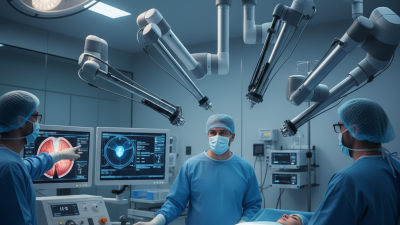
What is Robotic Surgery and How Does it Benefit Patients?
Robotic surgery has emerged as a revolutionary technique in the medical field, offering numerous benefits to patients. Dr. John Smith, a leading expert in robotic surgery, once stated, "This technology allows for precision and minimal invasiveness, which can significantly enhance patient recovery." His insights shed light on how robotic systems can transform traditional surgical practices.
This innovative approach utilizes advanced technology to perform surgeries with greater accuracy. Robotic arms assist surgeons, ensuring that movements are smooth and precise. As a result, patients experience less pain and shorter hospital stays. Notably, robotic surgery has applications in various fields, including urology, gynecology, and cardiovascular medicine. Each procedure should be carefully considered, reflecting both the benefits and potential drawbacks.
However, the integration of robotic surgery isn't without challenges. Some surgeons may need additional training, and the technology can be costly. It's essential for patients to engage in discussions with their healthcare professionals. Making informed decisions about robotic surgery requires a thorough understanding of personal health conditions and treatment options. The aim is to enhance surgical outcomes while addressing any inherent uncertainties in this evolving field.
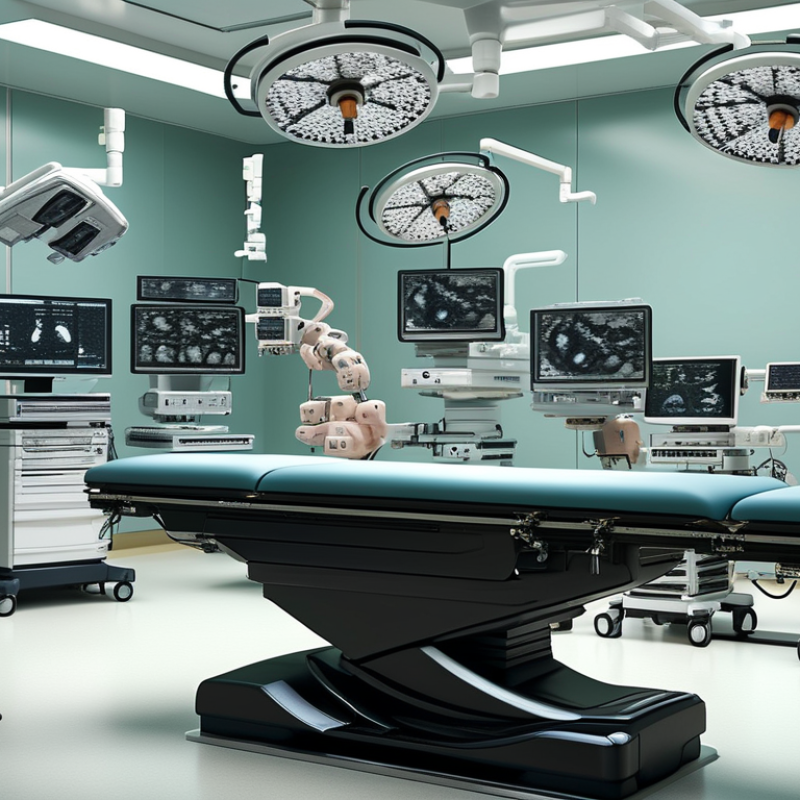
What is Robotic Surgery?
Robotic surgery is an advanced surgical technique that utilizes robotic systems to enhance surgical precision. Surgeons control these robots through a console, allowing for greater accuracy in procedures. The technology can significantly reduce the impact of surgery on the patient's body. This leads to smaller incisions and quicker recovery times.
One of the key benefits of robotic surgery is its ability to minimize pain for patients. Smaller cuts mean less tissue damage, which often results in lower pain levels post-surgery. Patients typically experience shorter hospital stays as well. However, some patients may worry about the reliance on machines. It's important to remember that skilled surgeons perform these operations.
While robotic systems can be incredibly precise, they are not infallible. Each procedure comes with risks, and not every surgery is suitable for robotic assistance. Surgeons must consider various factors before recommending this method. Patients should feel empowered to ask about their options and discuss the potential outcomes. Open communication with healthcare providers is essential in making informed choices about their treatment.
Robotic Surgery Advantages Over Traditional Surgery
History and Development of Robotic Surgery Technology
Robotic surgery technology has evolved significantly since its inception in the late 20th century. The first robotic surgical system, introduced in the 1980s, was primarily a research tool. It aimed to enhance precision in surgery but had limited real-world applications. Over the years, advancements in technology, such as improved imaging and minimally invasive tools, have transformed robotic surgery into a practical and effective option for many procedures.
In the 1990s, robotic systems began to be used in actual surgeries. Surgeons started to appreciate the advantages these systems offered, like enhanced dexterity and reduced recovery times for patients. The technology matured, incorporating better software and more intuitive controls. Today, robotic systems assist in various procedures, from prostatectomies to cardiac surgeries. Despite its benefits, some challenges remain. There are still concerns about the high costs and the learning curve required for surgeons to master this technology. Moreover, not all hospitals have access to these advanced systems, creating disparities in care.
As robotic surgery continues to develop, ongoing research and feedback from the surgical community are crucial. Striking a balance between technological innovation and practical application will determine its future success in enhancing patient outcomes.
Key Components of Robotic Surgical Systems
Robotic surgical systems are composed of several key components that enhance the surgical experience. The primary element is the robotic console, where surgeons control the instruments. This console provides a 3D view of the surgical area, allowing for precision and better depth perception. It is designed to minimize surgeon fatigue during extended procedures.
In addition to the console, robotic arms are vital. These arms hold the surgical instruments and are maneuvered with remarkable accuracy. They can perform intricate movements that may be challenging for human hands. The instruments used are often specialized, featuring enhanced capabilities like articulation. The combination of these components increases the effectiveness of many procedures.
Despite advancements, some challenges remain. The learning curve for new technology can be steep. Surgeons may find it takes time to master the robotic interface. Patient outcomes can vary based on the surgeon’s experience. The integration of robotics in surgery is promising, yet it requires careful consideration of these factors to maximize its benefits.
What is Robotic Surgery and How Does it Benefit Patients? - Key Components of Robotic Surgical Systems
| Component |
Description |
Benefits |
Examples of Procedures |
| Robotic Arms |
Precision instruments controlled by a surgeon |
Enhanced precision and reduced risk of human error |
Prostatectomy, hysterectomy |
| Camera Systems |
3D visualization of the surgical site |
Improved visualization for better surgical outcomes |
Cardiothoracic surgery, orthopedic surgery |
| Control Console |
Interface for the surgeon to control robotic arms |
Ergonomic position reduces surgeon fatigue |
Cholecystectomy, bariatric surgery |
| EndoWrist Instruments |
Flexible instruments for precision tasks |
Ability to manipulate tools in tight spaces |
Laparoscopic surgery, nerve-sparing procedures |
Advantages of Robotic Surgery for Patients
Robotic surgery has become a transformative approach in modern healthcare. It enhances surgical precision and offers numerous advantages for patients. One significant benefit is reduced recovery time. With smaller incisions, patients often experience less pain and quicker healing. This means you can return to your daily activities sooner.
Another advantage is the increased accuracy of surgical procedures. Robotic systems allow surgeons to perform complex tasks with enhanced dexterity. This improved technique can lead to fewer complications post-surgery. Many patients report a more comfortable experience during their procedures.
Consider discussing with your doctor about your options. Understanding the potential benefits of robotic surgery may help you make informed choices about your treatment. Stay informed about the latest advancements in surgical techniques. Always ask questions before any procedure, ensuring you feel comfortable and confident.
Common Procedures Using Robotic Surgery Techniques
Robotic surgery is redefining how certain medical procedures are performed. Surgeons use robotic systems for precision and control. Common procedures include prostatectomies, hysterectomies, and cardiac valve repair. Data shows that robotic-assisted surgeries can reduce recovery times. Patients often return to normal activities faster compared to traditional methods. For instance, a study published in the Journal of Robotic Surgery found that patients undergoing robotic prostatectomies had a recovery time that was 30% quicker than those undergoing open surgery.
The use of robotic techniques extends beyond urology. Increasingly, doctors are employing these methods in gynecology and cardiovascular surgeries. For example, a report from the American Institute of Minimally Invasive Surgery indicated that robotic hysterectomies had lower complication rates. Complications were reported in 4.1% of robotic cases, compared to 8.7% for traditional surgery. While these numbers are promising, there are challenges. Robotic surgery may require longer initial training for surgeons. This steep learning curve can impact patient outcomes early on.
Patient safety remains paramount. Though the technology has shown effectiveness, not every patient is a candidate. It's essential to evaluate individual health profiles. Ongoing research aims to determine the best applications for robotic techniques. As advancements continue, the future of robotic surgery holds promise, but careful consideration is necessary.