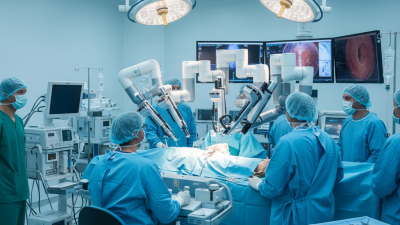
What Are the Benefits of Robotic Surgical Systems for Buyers?
The introduction of robotic surgical systems has transformed modern medicine. These advanced tools enhance precision, reduce recovery time, and minimize patient discomfort. They offer significant advantages over traditional methods. Surgeons gain greater control, enabling intricate procedures that were once deemed too risky or complex.
However, buyers must approach robotic surgical systems with careful consideration. The initial investment is high, and ongoing maintenance can add to costs. Not every hospital or clinic may need such advanced technology. Therefore, assessing whether these systems align with specific surgical goals is crucial.
Furthermore, training staff to operate these systems effectively requires time and resources. Hospitals must weigh the potential benefits against the challenges. The decision to invest in a robotic surgical system is not just about financial implications but also about improving patient outcomes and surgical excellence. Careful evaluation will ultimately lead to more informed and effective healthcare solutions.
Benefits of Enhanced Precision in Robotic Surgical Systems
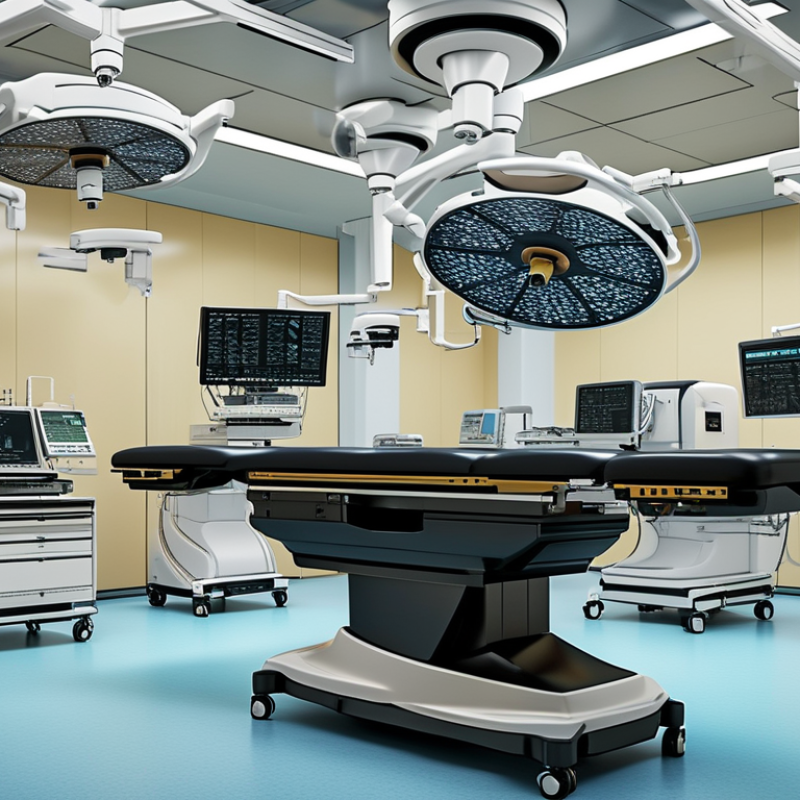
Robotic surgical systems are transforming the landscape of modern surgery. One of the primary benefits is enhanced precision. Studies show that these systems can reduce the risk of complications by up to 60%. This is particularly important in complex procedures where precision is critical. Surgeons benefit from greater stability and control, leading to better outcomes.
Another aspect is the minimization of incisions. Robotic systems often enable smaller incisions, which reduce recovery time and minimize scarring. A report from the Journal of Robotic Surgery highlights that patients typically experience a 30% faster recovery compared to traditional methods. This not only enhances patient satisfaction but also reduces hospital stay durations, lowering overall healthcare costs.
However, it's essential to acknowledge the learning curve associated with these systems. Surgeons require extensive training to master robotic techniques effectively. Not all patients may be suitable candidates for robotic procedures either. Discussions about the risks and benefits remain crucial. Overall, while robotic surgical systems offer significant advantages, ongoing evaluation and adaptation in surgical practices are necessary.
Improved Patient Outcomes Associated with Robotic-Assisted Procedures
Robotic-assisted procedures have gained attention for their potential to improve patient outcomes. Surgeons can perform intricate tasks with greater precision, resulting in less invasive techniques. This often means reduced post-operative pain for patients. Many report faster recovery times, allowing them to return to daily activities sooner.
In addition, robotic systems enhance visualization during surgery. Surgeons can view high-definition, 3D images of the surgical area. This clarity can lead to increased accuracy, ultimately enhancing the safety of the procedure. While there are undeniable benefits, the cost of robotic systems can raise concerns for some healthcare buyers. It’s crucial to weigh potential improvements in patient care against initial investment costs.
When considering robotic surgery, evaluate the specific needs of your facility. Assessing the volume and type of procedures performed can help justify the investment. Training for the surgical team is vital. Proper education ensures that the technology is used effectively, maximizing patient benefits while minimizing risks. Embracing innovation is essential, but so is acknowledging limitations and focusing on continual improvement.
What Are the Benefits of Robotic Surgical Systems for Buyers? - Improved Patient Outcomes Associated with Robotic-Assisted Procedures
| Benefit |
Description |
Impact on Patient Outcomes |
| Minimally Invasive |
Robotic systems enable surgeons to perform surgery through smaller incisions. |
Reduced recovery time and less postoperative pain. |
| Enhanced Precision |
Robotic tools provide greater dexterity and stability than the human hand. |
Lower risk of complications and improved surgical outcomes. |
| Reduced Blood Loss |
Minimally invasive techniques generally lead to less bleeding during surgery. |
Decreased need for blood transfusions and improved patient safety. |
| Shorter Hospital Stays |
Patients can often go home sooner after robotic-assisted procedures. |
Enhanced patient satisfaction and reduced healthcare costs. |
| Faster Recovery |
Patients typically experience quicker healing times. |
Return to daily activities sooner, boosting overall quality of life. |
Reduced Recovery Time and Hospital Stay with Robotic Surgery
Robotic surgical systems are transforming the healthcare landscape, particularly in the context of recovery times and hospital stays. Studies indicate that patients undergoing robotic surgeries often experience shorter recoveries compared to traditional methods. For instance, a report published by the American Journal of Surgery found that robotic-assisted procedures resulted in a 30% reduction in recovery time. Patients discharged sooner often experience less anxiety, leading to better overall outcomes.
Moreover, the data suggest that shorter hospital stays can reduce healthcare costs significantly. A comprehensive analysis by the Journal of Robotic Surgery noted that hospitals could save approximately $1,500 per patient when surgeries are performed robotically. While these statistics are compelling, it is crucial to consider that not all patients may be ideal candidates for robotic surgery. Factors such as age, pre-existing conditions, and the complexity of the surgery need careful evaluation.
Recovery experiences can vary. Some patients may still encounter complications, including pain or prolonged recovery times. Personal anecdotes reveal that while some individuals felt rejuvenated shortly after their robotic procedures, others faced an unexpected delay in healing. This inconsistency highlights the importance of thorough pre-surgical assessments and personalized care plans, ensuring patients are well-informed about their options and potential risks.
Training and Support for Buyers of Robotic Surgical Technologies
When considering robotic surgical systems, training and support for buyers play a crucial role. These advanced technologies demand a thorough understanding of their operation. Many institutions provide comprehensive training programs that cater to different skill levels. This ensures that surgical teams can perform procedures with confidence. Effective training can greatly enhance surgical outcomes and patient safety.
Hands-on training sessions often include simulations. These allow surgeons to practice techniques in a risk-free environment. Support does not stop after initial training. Ongoing education is vital to keep up with technological advancements. Regular workshops can address emerging techniques and updates in the system. Institutions should prioritize continuous learning as part of their strategy.
Buyers must evaluate the available support channels. Does the system come with a dedicated technical support team? Accessibility to experts can greatly reduce downtime. Surgical teams should feel empowered to seek assistance whenever needed. Investing in robotic surgical technologies is significant. The training and support offered influence overall success and justification of the investment. Balancing the features of the technology with adequate training is essential for long-term benefits.